Many African liberation movements have enjoyed the comfort and security of long-standing post-Independence power. While some powers have been understood as colloquially ‘undemocratic’, many African states have not experienced the democratic pangs (and joys) of regime change.
For many, it was a shock when the 2024 South African elections delivered a monumental (and historic) result. For the first time since the culmination of the anti-apartheid struggle in 1994, The African National Congress lost the comfort of “secure power”. To keep Mr. Matamela Cyril Ramaphosa in the Union Buildings, the ANC had to enter into some sort of coalition negotiations; then tensions arose.
The ANC could not be completely dislodged because of the disparity and enmity between the Democratic Alliance (centre-right) on one end and the uMkhonto weSizwe Party (centre-left) and the Economic Freedom Fighters (leftist) on the other end.
While the establishment of the Government of National Unity crystallized, it restructured the politics: (1) within the GNU; (2) within party structures; and (3) within opposition.
The GNU was a formation of government among a number of different parties including the African National Congress, the Democratic Alliance, the Freedom Front Plus, the Patriotic Alliance, and more. These are parties from across the political spectrum, and from varying political and ideological backgrounds.
While this has its complexity, on a grander political scale, it has exposed the electorate to the possibility of coalition governments while settling in key players. A few major players are the Home Affairs and Public Works Ministers from the Democratic Alliance and Gayton McKenzie, Minister of Sports, Arts, and Culture and Leader of the Patriotic Alliance. Honourable Gayton McKenzie has risen to be one of the most famous politicians in South Africa, even surpassing Julius Malema in some polls. While many still believe that the Government of National Unity is not securely consolidated in terms of policy, it is established.
The parties themselves are undergoing structural recalibration, finding themselves in this new dispensation. The EFF lost its Deputy President, the MKP is growing, the DA seems to be shaking under the leadership of John Steennhuisen and Helen Zille, the PA (through Gayton McKenzie) seems to be stretching horizons of electoral favour, while the ANC is facing existential threats towards the local government elections. There seems to be a rise in potential contenders for the ANC’s top positions.
Another case study is that of the Conservative Party of the United Kingdom. After a tumultuous and highly controversial stint at power, the Tories fell at the polls. Under Rishi Sunak, the Conservative Party went from Government to Shadow Government (Opposition) making way for the Labour Party.
While the party is going through a Leadership election process, to replace Sunak, you will notice that the election (especially in the context of the greater British politic) exposed a conundrum within the party that finds its epicenter in the leadership. This is exemplified by the party’s last 3 leaders.
On the side of opposition, while the EFF is heading to Congress in December and may face an impending crisis, the MKP seems to be finding its feet. This is the time that will determine the future and existential premise of the MK Party. While this is so, one cannot ignore the Progressive Caucus’ place in politics.
Although a significant portion of this article was granted to South Africa, it does not stand as the core.
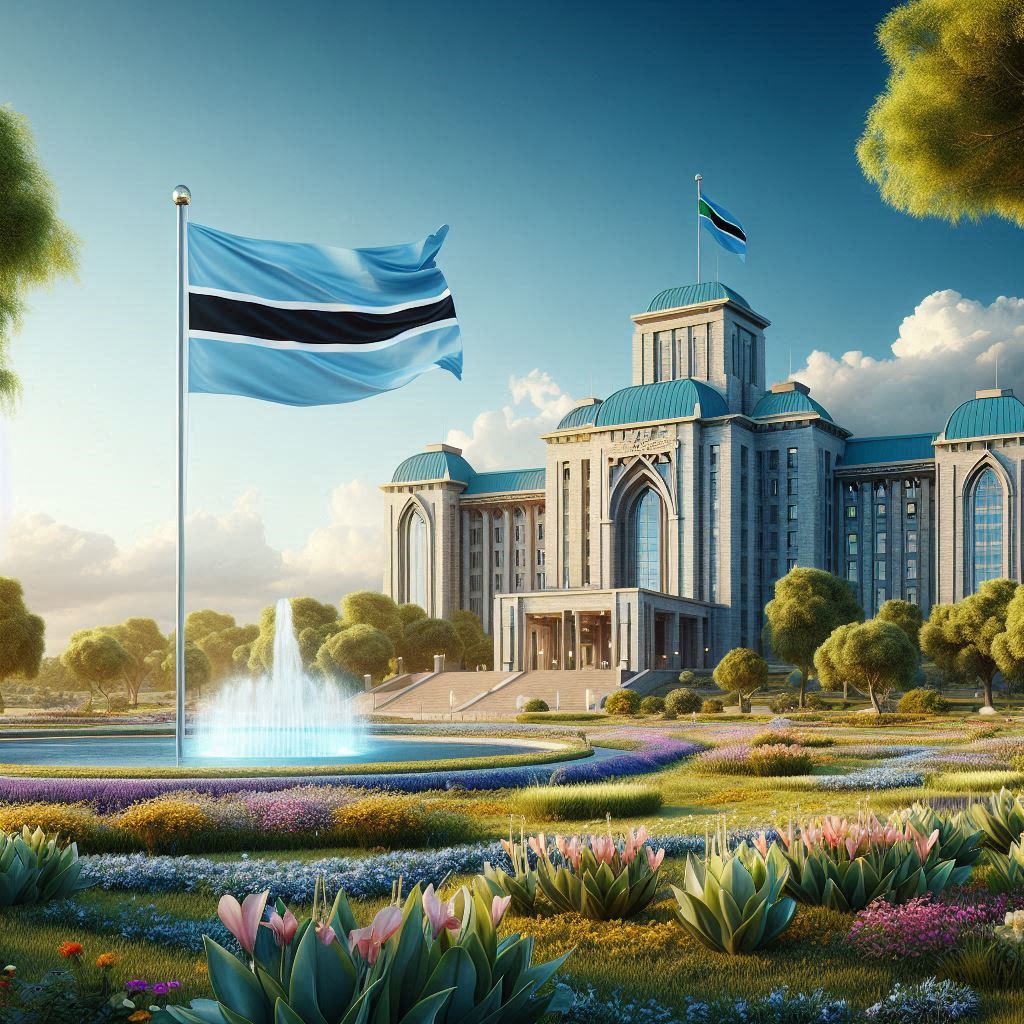
As Botswana heads to the polls later this month, many analysts and commentators are arguing about the possible results. While a clear and complete change of power (and a supermajority for the ruling party) does not seem realistic, it may seem that the Botswana Democratic Party may approach, or might JUST cross the midpoint.
With silly season on, it seems that the BDP is losing its footing and might slip out of the State House.
Here’s the catch: What if we get a hung parliament?
Basically, a parliament is hung when no party has an outright majority and power is subjected to coalition negotiations.
In the event that the BDP gains about 27-30 seats, the power stands in the hands of opposition. A party like the Botswana Patriotic Front will need 5-7 seats to negotiate strongly. With the Botswana Congress Party’s troubled history with the Umbrella for Democratic Change and its leader, it would be interesting to see how it will all roll out.
A hung parliament will bring about a new era of politics in Botswana. Possibly a new air of accountability, a competition of policies, legislative rigor, and maybe even reforms. While it may also bring about tensions, it is an interesting prospect.
Essentially, it seems to me that this campaign season could be dubbed, “Project Hung Parliament”. The rhetoric, strategy, and poise of the players places the election in a precarious situation. As a commentator, I am completely intrigued by the prospect of this election’s results. I am also intrigued to watch how the 3 factors addressed earlier will affect the new government in Botswana. The future of this country lies in the hands of four men – H.E. Dr Mokgweetsi Masisi, Adv. Duma Boko, Mr. Dumelang Saleshando, and Mr. Mephato Reatile – and their associates.
Finally, I do not find it ironic that Halloween is the day after voting day.
 The San African
Leave a comment