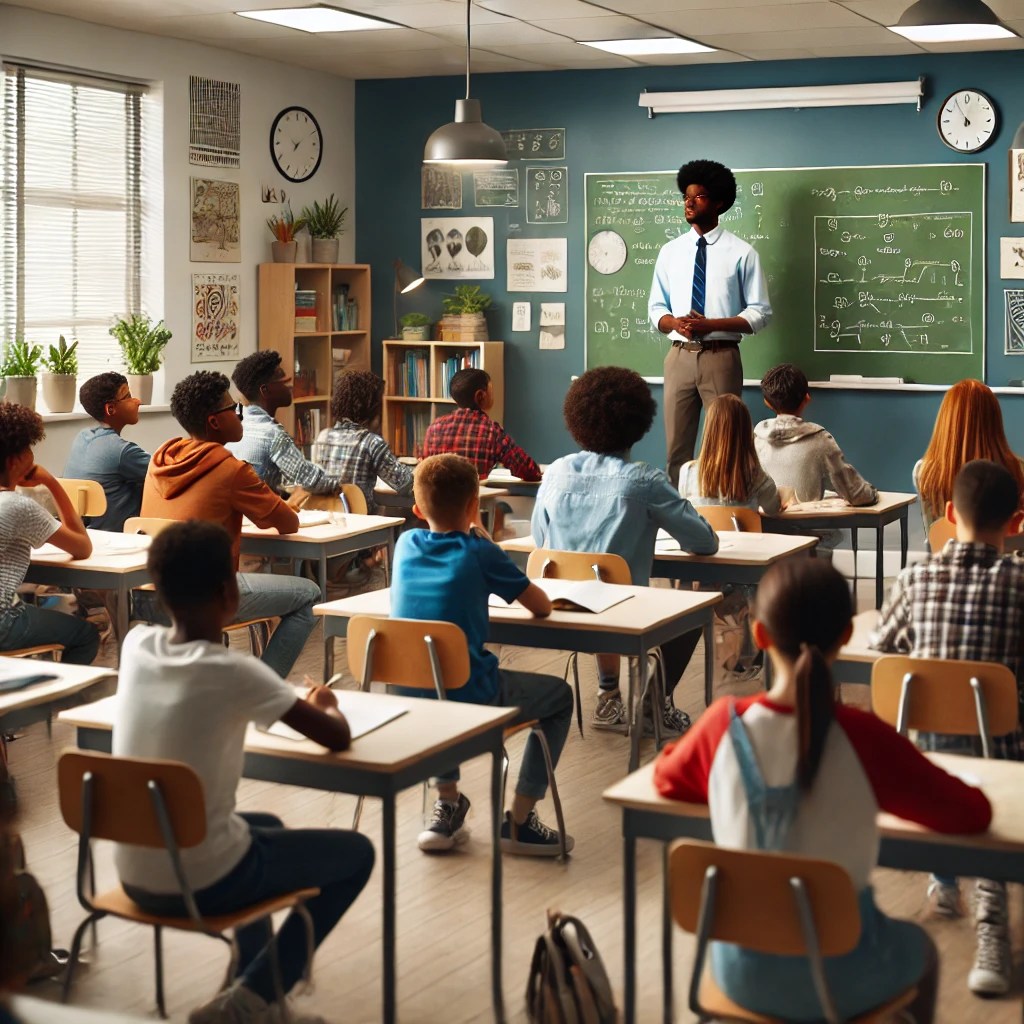
The potential for prosperity in any given nation, especially one intent on aggressive economic growth and citizen empowerment, is almost exclusively dependent on how effectively it is able to educate and equip its citizens with the necessary skills required to sustain said growth.
This seems to be an opinion held by most, if not all, African leaders. Is the implementation of curricula and the state of educational infrastructure across the diaspora representative of these opinions? Well, that is what we intend to unpack today.
2024 was a big year for politics. In 2024, around 75 countries worldwide held or are scheduled to hold elections. These include a mix of presidential, parliamentary, and local elections across regions, including Africa, Asia, Europe, and the Americas. Notably, several African countries, such as South Africa, Ghana, and Egypt, are participating in this wave of global elections, each facing unique challenges and opportunities in their political landscapes.
A common theme in the manifestos of many political parties running for leadership in these countries is a desire to revamp their respective educational systems. Why is everyone so adamant about transforming education? What are the implications of a robust educational curriculum, or lack thereof? All these questions will be addressed in due course. Firstly, let’s give a little context.
The State of African Education
Peering into the educational systems of nations like Botswana, South Africa, and Zimbabwe, one can see the presence of a very problematic trend—the increasing growth and success of private schools. Why might this be a problem? After all, they are creating employment, running a profit, and educating the populace. Surely this should be a win-win situation.
Perhaps at surface level, it may appear so; however, the success of private education in any given nation is enabled by the failure of the government to provide quality, affordable, and universally accessible education to its citizens. This serves as a litmus test of sorts when it comes to how well each respective country is doing in this regard.
Besides the success of private education institutions, another thing that the aforementioned countries have in common is citizen dissatisfaction with the infrastructure, facilities, and quality of education in public schools. Our litmus test seems to be holding true.
The cries of our Batswana counterparts include staff shortages, underpaid personnel, substandard infrastructure, and sometimes, a lack of classroom space. Learners can be found attending classes under trees and near the football pitch, even in the capital city.
What effect did this poor investment in the education system have on the learners? Well, according to statistics from the 2023 Botswana General Certificate of Secondary Education cohort, only 32.3% of grades were a C or better, with a shocking 3.57% of grades being an A or better. As low as these numbers may seem, these are an improvement on the 2022 statistics.
Let’s contrast them with statistics from private schools in the country. Legae Academy, considered the premier private institution in the capital of Gaborone, has not dipped below a 90% pass rate (C or better) in a very long time, hitting an impressive 98% in 2019. The same year, Gaborone International School achieved a mouth-watering 100% pass rate.
The discrepancies are clear. Though we value the contributions of the private sector in any industry, it is unacceptable for public schools to be this far behind, especially considering the huge wealth inequality gap in Botswana.
Charting a Path Forward for African Public Education
What, then, are the possible solutions to this glaring divide between private and public education in African nations? Tackling the root causes of this disparity will require a range of approaches, from increased funding and technological innovation to a shift in how communities view and engage with education. Here’s what can be done:
Increasing Investment in Public Education
A first step is ensuring that government investment in education is robust and consistently allocated. More funding should be directed toward addressing public school infrastructure, resources, and teacher salaries. But money alone won’t fix the issue—effective accountability measures are equally important. Schools must be transparent about how funds are spent, and governments must enforce strict oversight to ensure that this money is used to benefit the students it’s meant for.
Teacher Development and Incentives
Public school teachers often face the dual challenge of low pay and limited resources. Governments could start by enhancing teacher training programs, focusing on practical skills that help manage large classrooms and diverse needs. Paying competitive salaries and offering performance-based incentives could not only boost morale but also attract highly skilled teachers who might otherwise opt for private institutions. The result? A more motivated and equipped workforce, ready to raise the bar in public education.
Modernizing the Curriculum
The curriculum in many African countries is in urgent need of modernization. Preparing students for today’s job market means incorporating skills like critical thinking, technology use, and problem-solving into the classroom. Teaching methods should also adapt to local contexts, making learning relevant and engaging. A curriculum focused on real-world skills could help reduce dropout rates by showing students the direct benefits of education in their lives.
Leveraging Technology
Technology holds immense potential to bridge the gap between public and private education. Digital tools, online resources, and virtual classrooms could make high-quality content accessible even in remote areas. For students without consistent internet access, governments could develop offline, mobile-compatible resources. By making tech-driven learning widely available, we could start to even out the opportunities for students, no matter their background or location.
Public-Private Partnerships
The private sector could play a significant role in supporting public education. Partnerships between governments and private companies could bring in resources like science labs, libraries, and funding for scholarship programs. Additionally, private companies could offer technical training and internships, exposing students to careers they might not otherwise consider. However, these partnerships must prioritize public interest and avoid turning education into a profit-driven enterprise.
Strengthening Community and Parental Involvement
Strong community and parental involvement are powerful ways to improve education quality. When parents are engaged and communities are active, schools are held accountable and responsive to local needs. Establishing community school boards and hosting regular feedback sessions with parents can foster an environment of trust and cooperation. Schools are more likely to succeed when parents, teachers, and administrators work together to support student growth.
Removing Financial Barriers
Wealth inequality is a significant barrier to education quality in Africa. Offering free school meals, providing uniforms, and reducing school fees can make it easier for students from low-income families to attend and stay in school. These small measures, especially in rural and economically challenged areas, can have a large impact, making education more inclusive and accessible.
Setting Realistic, Measurable Goals
Finally, having clear benchmarks is essential for tracking progress and making necessary adjustments. Regular assessments of student performance, teacher satisfaction, and infrastructure quality provide valuable data. This data allows for a targeted approach, highlighting specific areas that need improvement. Setting measurable, achievable goals at both local and national levels can ensure a steady path toward higher education standards across the board.
An equal, high-quality education system isn’t just a goal for Africa—it’s a necessity. By committing to these reforms, governments can start to close the gap between public and private education, creating a future where every child has access to the learning they deserve.
Key Takeaways
In conclusion, the disparity between public and private education in many African nations underscores a larger systemic issue: the failure of governments to adequately invest in and prioritize the development of public education. While private schools may offer a beacon of opportunity for some, they highlight the inequality faced by a significant portion of the population who are left behind due to underfunded and poorly equipped public schools. However, the solutions to these challenges are within reach. By increasing investment in infrastructure, modernizing curricula, enhancing teacher development, and fostering public-private partnerships, African nations can work towards creating a more equitable and effective education system. The path to prosperity and sustainable growth lies in equipping future generations with the skills, knowledge, and opportunities they need to succeed. If governments across the continent commit to reforming education and addressing the barriers to access, it will not only bridge the gap between public and private education but also empower citizens to drive their nations forward into a prosperous future
 The San African
Leave a comment