by Leruo Monang
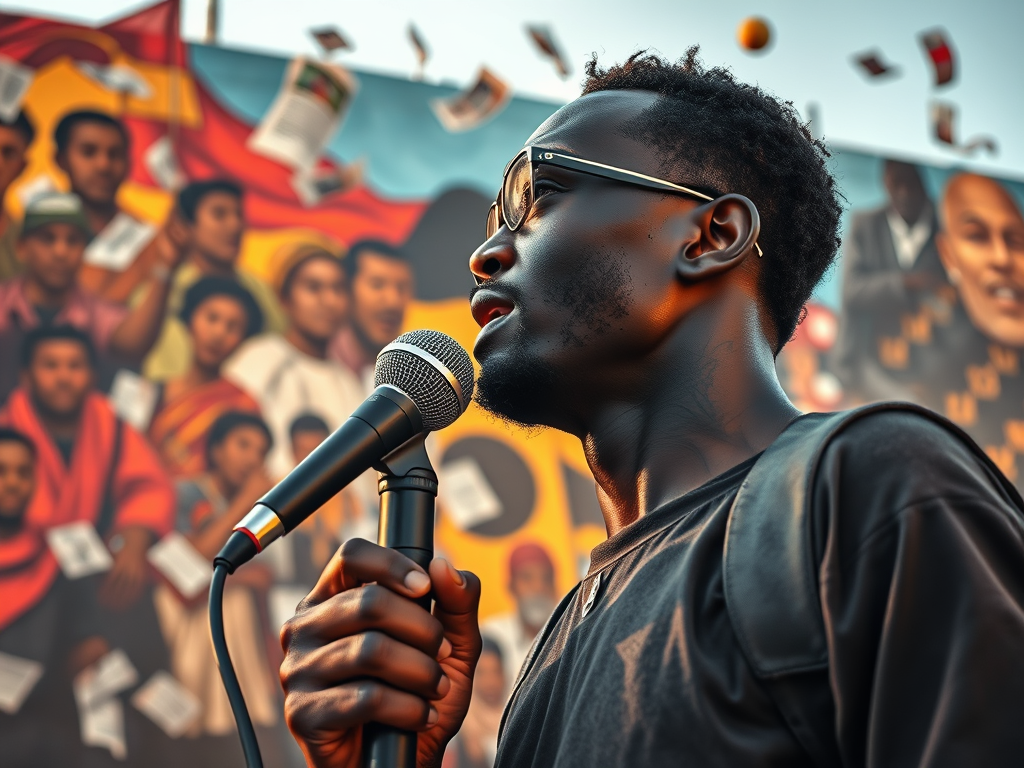
To be free is to be able to express unapologetically. Be it through dance, song, art or sport. The the freedom we yearn for is tied to how much space we are permitted to occupy.
In the context of the african pursuit of freedom, we have seen how arts, culture and music have been instrumental in the crusade for emancipation. As grateful as we may be for their presence, we tend to neglect their older brother. The first born son in the family of freedom.
Journalists in africa, particularly those who spoke out against their respective (and oppressive) regimes have been persecuted since time immemorial. Icons like Henry Sylvester Williams, Ruth First, Pius Njawe and Dele Giwa pledged their lives to giving voices to the voiceless and platforms to the marginalized even at the risk of losing everything the had.
Yet, their sacrifices were not in vain. These brave pioneers understood that the pen wields a power that transcends borders, generations, and regimes. They knew that to control the narrative is to hold the reins of history itself. In Africa’s journey toward self-determination and justice, the free press has been both a witness and a weapon—chronicling the struggles of liberation, exposing corruption, and giving a face to the dreams and grievances of the everyday African.
However, the battle for a truly free press is far from over. Across the continent, journalists continue to face harassment, imprisonment, and even death for daring to tell the truth. Censorship and state control, often masked as national security measures, stifle the flow of information, while the rise of disinformation campaigns threatens to erode public trust. In this fragile balance between oppression and liberty, the role of an unfettered press remains as crucial as ever in nurturing democracy and safeguarding the African narrative.
A Pillar of Accountability
A free press serves as a watchdog over governments, holding leaders accountable for their actions and ensuring transparency in public affairs. In Kenya, the Daily Nation famously uncovered the Goldenberg Scandal, one of the largest corruption scandals in Africa’s history, involving the misappropriation of millions in taxpayer funds. Despite threats and legal pressures, investigative journalists relentlessly pursued the truth, ultimately forcing government resignations and reforms. This is the power of a free press: a mirror held up to those in power, reflecting their misdeeds and demanding accountability.
Conversely, in countries like Eritrea, where press freedom is nearly non-existent, the absence of a watchdog has allowed unchecked abuses to fester. In the 2017 World Press Freedom Index, Eritrea ranked last, with no independent media to hold the regime accountable. The suppression of journalism has led to an information vacuum, depriving citizens of the tools they need to question authority or advocate for change.
Press Freedom and Citizen Empowerment
When Zambia faced a crucial election in 2021, independent outlets like The Mast and News Diggers played pivotal roles in educating voters on policies and electoral procedures. By providing balanced and accessible information, these publications ensured that even those in remote areas could make informed decisions.
In South Africa, investigative pieces from AmaBhungane and Daily Maverick about state capture not only exposed political corruption but also mobilized citizens to demand accountability. These stories showcased how an informed populace could shape governance and demand better representation. On the other hand, nations with heavily censored media, like Zimbabwe during Robert Mugabe’s tenure, saw voter manipulation thrive, as citizens were fed propaganda instead of truth.
Challenges and Resilience of African Journalism
The tragic assassination of Ghanaian journalist Ahmed Hussein-Suale in 2019 shocked the continent. His investigative work on corruption in football exposed powerful networks but ultimately cost him his life. This chilling case reflects the high stakes of journalism in Africa, where speaking truth to power can lead to intimidation, imprisonment, or worse.
Yet, despite the dangers, African journalists persevere. Platforms like The Elephant in Kenya and Premium Times in Nigeria are innovating with digital tools to bypass censorship and reach wider audiences. Moreover, grassroots media initiatives, such as community radio stations in Mali, provide vital information in local languages, proving that even in adversity, African journalists find ways to connect with and empower their communities.
A Call to Protect Press Freedom
The struggle for press freedom is a struggle for democracy, truth, and the very soul of Africa’s future. Without a free press, citizens remain in the dark, corruption festers, and progress stalls. As Africans, we must champion platforms like The San African that prioritize our stories and amplify our voices.
As Honourable Nelson Chamisa of Zimbabwe once said:
“The freedom of the press is the freedom of the people. When you silence a journalist, you silence a nation.”
It is our collective duty to ensure that Africa’s journalists continue to thrive—not in fear but in freedom. Together, we can build a continent where every truth is told and every voice is heard.
 The San African
Leave a comment