Corporate South Africa faces significant underrepresentation, particularly when it comes to women in leadership positions. Despite initiatives aimed at advancing women’s rights and gender equality, the country’s business sector still lags behind. Women comprise approximately 51% of the population but only hold a small fraction of executive and managerial roles. The scarcity of women in boardrooms, C-suites and other decision-making positions is hindering the country’s economic growth as there is a lack of diversity, perspectives and experiences.
According to Just Share, women comprise 46% of the economically active population in South Africa, but hold on average 35% of board positions and only 25% of executive roles in the JSE Top 40 companies.
This underrepresentation of women in leadership positions can be attributed to a multitude of factors across various disciplines. These include:
Harmful Stereotypes
The stereotypical characteristics often associated with women hinder their progress towards higher positions in the workplace. These characteristics often include being emotional, being a homemaker, being “soft” and unable to handle tough situations. These stereotypical traits are considered as a contrast to the traits of a good leader and lead to the questioning of women as suitable leaders. In a lot of people’s eyes, women leaders are the epitome of a crumbling business.
Racism
Thirty years into democracy, South Africa’s largest population group – Black women – remain vulnerable to systemic racism and discriminatory practices. A significant challenge they face is the perpetuation of Eurocentric beauty standards, which dictate what is deemed “acceptable” in terms of hair, body, and complexion. This pervasive bias often plays out in the workplace, where black women are unfairly judged and marginalized for not conforming to unrealistic ideals, leading to a loss of opportunities.
Cultural and/or religious beliefs
Cultural and religious beliefs have historically played a significant role in limiting women’s access to leadership positions. In some societies, patriarchal norms and traditional gender roles have perpetuated the notion that women are less capable or less intelligent than men, making it difficult for them to be taken seriously as leaders. Additionally, certain religious interpretations have been used to justify restrictions on women’s participation in public life, including leadership positions. For instance, some Christian denominations, Islamic interpretations, Orthodox Jewish communities, and Hindu texts have been cited to limit women’s roles in leadership. These deeply ingrained beliefs and attitudes have contributed to the persistent underrepresentation of women in leadership positions, highlighting the need for a joint effort to challenge and change these attitudes.
Misogyny
The pervasive culture of misogyny in some South African industries can have a profound impact on women’s career advancement and overall well-being. When women are subjected to discriminatory attitudes and biased practices, it can lead to a lack of confidence and self-doubt, making it even more difficult for them to break through the glass ceiling. Furthermore, misogyny can also lead to a lack of representation and voice for women in leadership positions, perpetuating a cycle of exclusion and marginalization. The carrying out of misogyny to women might discourage them from entering into these spaces. Ultimately, addressing misogyny is crucial to creating a more inclusive and equitable environment for women in leadership positions in South Africa.
The lack of representation of women in leadership positions has a ripple effect where young women and girl children do not see themselves in these environments and therefore deem them places not for people like them. Economic growth of the country is then limited because people who might have been exceptional leaders and founded exceptional businesses, never get to realize their potential and true skills.
Although there is no single theory that directly explains the correlation between women leaders and stock market perfomance, there is no doubt that the different perspectives brought by women will propel companies and economies forward.
The issue of underrepresentation of women in leadership positions goes beyond JSE listed companies. Every year, the people of the country are shown how the country is crumbling under the hands of leaders, most of which are men, but there has been no joint effort to put more female leaders and have more female led parties in parliament. A gender proportional government, along with other factors such as more youth inclusivity might be just what the country needs to thrive.
In conclusion, women leaders bring unique perspectives and approaches to problem solving, which can lead to more innovative and effective solutions. Due to the things that women may face on a daily basis, the claims that women are weak are really just baseless accusations founded on the principles of misogyny.
According to the World Economic Forum, accelerating progress towards gender parity will not only improve outcomes for women and girls but benefit economies and societies more widely, reviving growth, boosting innovation and increasing resilience.
Category: Culture & Politics
-
Freedom: When Emulating the Oppressor Becomes the Ultimate Goal
“The sad thing is that many of the people, including those who were previously in exile, equate freedom with having a white neighbor. They are obsessed with being whites and living up to their standards.”
These poignant words of South African author, Sandile Memela from his book, “Flowers of the Nation”, remind us that the concept of freedom can easily be distorted. For many, freedom is not about self-determination, cultural pride, or community togetherness. Instead, it has become synonymous with the assimilation into the previously dominant culture.
This phenomenon is not only present in South Africa, as it is common in many post-colonial societies. The legacy of colonialism and apartheid has left deep-rooted scars, perpetuating a mindset that equates whiteness with superiority. A lot of Africans have, unknowingly or knowingly bought into the lie that whiteness is the epitome of success, sophistication, and civilization.
The author’s statement highlights the tragic irony of this situation. Many individuals, including those who were in exile or those who were marginalized, now measure their freedom and success by their proximity to whiteness. They seek to live in affluent neighborhoods, send their kids to predominantly white schools, fluently speak the oppressor’s language, often at the expense of their indigenous languages.
This reality shows that colonialism was more than just the land or the resources, it was internalized.
How then can we claim to have finally gained victory when our cultures, languages and identities are slowly diminishing, some of the very things our liberators fought for?
However, others may argue that those who choose to abandon their heritage cannot be blamed as the lives of African indigenous people, years into democracy, show little to no improvement. A continent where majority of low-income families are the indigenous people. A continent where those with the least job opportunities are the indigenous people. A continent where those with the most disparities in access to education…are the indigenous people. Based on a 2015 study, South African white households, where the head is a high school dropout, have a higher net worth than black households where the head has a college degree (Hamiltion et al. 2015). “The typical black household owns 5 per cent of the wealth held by the typical white household.” In Zimbabwe, many believe that the reason for the country’s economic decline is former President Robert Mugabe’s decision to force white farmers to give up their farms in 2000. African public schools which predominantly serve indigenous kids, lack the necessary facilities to discover and unearth the diverse talents of school kids. In the Gini Index of countries with the biggest inequality in income distribution 2023, African countries dominated the top spots, with South Africa topping the list with a Gini score of 63. Namibia followed in second place, with many African countries such as The Kingdom of Eswatini, Botswana, Zambia, Angola, Mozambique and Zimbabwe all in the top 10.
So, how can people who choose to abandon their heritage, their history be blamed when decades into democracy, African indigenous people are still at the bottom of the list in terms of wealth? After all, one of the biggest manipulations that colonialism enforced in African people is the belief that their cultures, identities, languages and religions are inferior and do not fit anywhere on the success ladder.
A mindset that needs to be instilled in the minds of Africans is one that knows that they do not need to reject their heritage in order to fit into society. There is nothing wrong with wanting better education, better opportunities and an affluent lifestyle, while being proud of your identity. After all, it is written nowhere that certain groups of people need to suffer while others get all the benefits earth has to offer. Nowhere is it written that financial security, erudition, comfort, are reserved for specific individuals.
While there is still a long way to go before freedom can fully be claimed in African nations, there are individuals who try to decolonize the minds of people. There are countless authors, teachers, activists, businesspeople et cetera, who teach the importance of maintaining our heritage. Some examples include Dr. Eileen Elizabeth Pooe, a lecturer at North West University who made history as the first doctor of philosophy in languages and literature, in Setswana, Penina Muhando, a Tanzanian playwright whose plays are available only in Kiswahili, amongst many others. There are many unknown individuals who are trying to stay true to their identities by either reading in African languages, wearing African textiles and designs, or speaking out against injustices affecting African communities.
An assimilationist mindset takes away our unique perspectives, our priceless values and our beautiful traditions. It takes away the very things that make Africa, Africa and Africans, Africans.
Ultimately, true freedom is not about emulating the oppressor; it is about embracing and celebrating one’s own heritage and striving for success without sacrificing these. As Sandile Memela’s quote so poignantly reminds us, it is time to redefine what freedom means and to reclaim our rightful place as proud, dignified, and self-determined individuals.
Chelwa, G., Maboshe, M., & Hamilton, D. (2024). The Racial Wealth Gap in South Africa and the United States. Review of Political Economy, 36(2), 423–440. https://doi.org/10.1080/09538259.2024.2318962
Dyvik, E.H. (2024). Gini Index- countries with the biggest inequality in income distribution 2023. Statista. Retrieved January 20, 2024, from https://www.statista.com/statistics/264627/ranking-of-the-20-countries-with-the-biggest-inequality-in-income-distribution/Memela, S. (2005). _Flowers of the Nation_ . University of KwaZulu-Natal Press.
-

Alders Blunt Edge: A Defiance of Philosophical criticism
The title of our conversation is a bit of a mouthful, so let’s start with some context. Those familiar with philosophical reasoning will recognize the satirical nature of our title—a direct contrast to the term “Razor.”
To be fair, that does not help much, because what on earth even is a “Razor”?
In philosophy, a razor is a principle or rule of thumb that allows one to eliminate unlikely explanations for a phenomenon or avoid unnecessary actions. At least, that is what Wikipedia says. Well then, what is Alder’s Razor? Alder’s Razor (also known as Newton’s Flaming Laser Sword) states: “If something cannot be settled by experiment or observation, then it is not worthy of debate.” In simple terms, do not waste time on philosophical debates that cannot be settled. Stick to solutions with real-world impact. A little cheeky of Alder to take a jab at philosophers like that.
Given that little bit of context, why is this line of thinking problematic? What is the purpose, if any, of our resistance to intuitively good advice? Well, that is what we are here to explore.
The Paradox of Alder’s Razor

If we reject untestable claims outright, doesn’t that make Alder’s Razor itself meaningless? How do we “test” its validity? What foundational truth do we have that reinforces the notion that philosophical conversations carry no intrinsic value in the fruitful progression of society?
In addition to its self-contradiction, this principle is too rigid in its structure—too black-and-white to be applicable in a world full of chaotic discussions around law, social justice, and liberation.
It is reminiscent of the teachings of German Philosopher, Immanuel Kant. His philosophy was one set in stone; he argued that morality was absolute regardless of context. Lying to someone, irrespective of the situation, is unjust, as it robs them of the autonomy that forms the foundation of who we are as humans—creatures with agency and free will. However, if a known murderer were to ask you where your wife and kids are, would it be moral to speak truthfully?
Lines of reasoning similar to Kant’s carry one critical fault: they assume benevolence in the actions of all those we share our space with. They disregard the nuance and gray areas that come with navigating the maze of life, and as we know, ambiguity is a critical part of the human experience.
Mike Alder made a very similar mistake when coining his famous ideology. He assumed that philosophy exists in a vacuum—another reflection of his oversight regarding the interconnectedness of our world.
The Case for “Useless” Debate
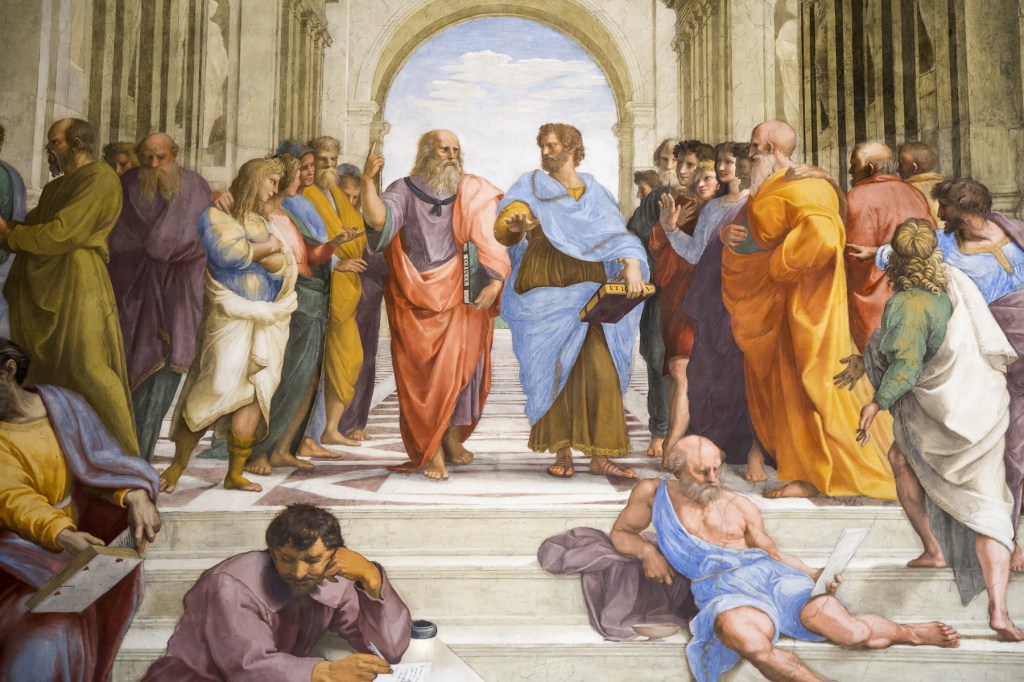
The fact of the matter is, philosophical debates that seem “unsettleable” often shape scientific and social progress. Ethics, metaphysics, and epistemology—all essential fields—would be discarded if we applied Alder’s Razor strictly. Many scientific principles began as untestable philosophical inquiries (e.g., atoms in ancient Greece, heliocentrism before telescopes).
Some of the most prolific scientists of modern history often dabbled as philosophers themselves. They understood the importance of intellectualism in the pursuit of knowledge—knowledge that would later inform the very same practical solutions that Mike Alder places such heavy emphasis on.
Innovation is not just a switch you can flick to start manufacturing talking cell phones and flying cars—it’s a process. A process that begins (every single time) with curiosity and philosophical inquiry.
A famous (and ironic) example of this process at play is Isaac Newton’s discovery of the gravitational laws of motion. Before Newton formulated his laws of motion and universal gravitation, philosophers and scientists debated why objects fell and how celestial bodies moved. Why is this ironic? Well, another name for Alder’s Razor happens to be Newton’s Flaming Sword.
Prior to his theory and writings, we had contributions from brilliant minds like Aristotle, who proposed that objects fall because they seek their “natural place.” Kepler and Galileo also had a few ideas about why things move the way they do. Up until Newton’s theories were proposed and later proven, the topic of gravity was purely philosophical—effectively worthless and inconsequential to the lives of everyday historic citizens. Those very same “worthless” ideas went on to shape how we perceive the entire discipline of physics and even its younger brother, engineering, as we know them.
The philosophy of consciousness has not been “settled” experimentally, yet it influences AI, neuroscience, and ethics—all of which are critical to the advancement of technology and real-world solutions. Alder was not having a great day in the office with this one.
The Role of Thought Experiments and Philosophy

Rivonia convicted (from the top, left to right):Nelson Mandela, Walter Sisulu, Gowan / Govan Mbeki, Raymond Mhlaba, Elias Motsoaledi, Andrew Mlangeni, ‘Kathy’ Kathrada and Dennis Goldberg. Philosophy often advances knowledge through thought experiments rather than physical experimentation. Schrödinger’s Cat, the Trolley Problem, the Ship of Theseus—without engaging with abstract thought, would we ever develop meaningful ethical frameworks?
Ideas like 17th-century liberalism and the Enlightenment, spearheaded by thinkers like John Locke, Jean-Jacques Rousseau, and Montesquieu, inspired democratic revolutions (e.g., the American and French Revolutions) and later shaped human rights frameworks. These ideas laid the groundwork for leaders like Nelson Mandela, Steve Biko, and Oliver Tambo in their fight and eventual triumph against the Apartheid regime. Our defiance just became a little more intuitive. The only viable way to argue in favor of liberation and human rights is through philosophical thought. In advocating for autonomy, dignity, and freedom, it is critical to speak on the philosophy of ethics, agency, and law.
Abolitionism and human dignity allowed anti-apartheid activists to draw parallels between slavery and racial discrimination in South Africa. Philosophies like Marxism and anti-colonial thought held strong influences in liberation movements like the ANC and PAC.
These philosophies, often dismissed as “just ideas” at their inception, eventually shaped some of history’s most significant movements for justice. If we followed Alder’s Razor and rejected such philosophical debates as impractical, would these revolutions have ever happened?
Alder’s Razor as an Excuse for Anti-Intellectualism
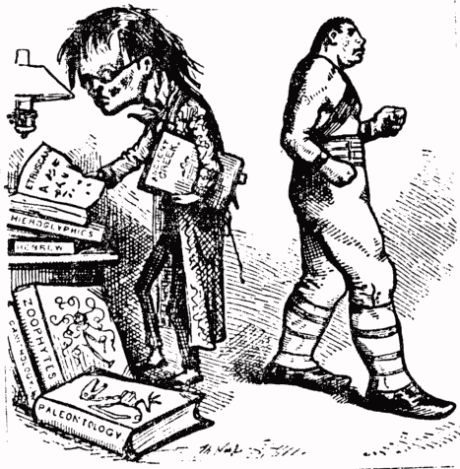
The dismissal of complex discussions in favor of “practical” answers can be an excuse to avoid deeper thinking. Positivist movements rejected metaphysics, only for it to resurface in new forms. Does this mindset encourage oversimplification in an era that needs critical thought more than ever?
The fact that Alder’s Razor is very often invoked as a Hail Mary attempt at evading critical philosophical thought, even in modern times, does not exactly help its case. The fact of the matter is, we need to call it what it is—a backdoor. An Irish goodbye from a party filled with brilliant minds curious about the mechanisms that govern our society. A reluctance to pursue knowledge, regardless of the justification, is an act of cowardice. A refusal to destroy the very principles that have influenced our thinking for our whole lives in favor of newer, potentially more robust ideas.
A Defiance of Philosophical Criticism
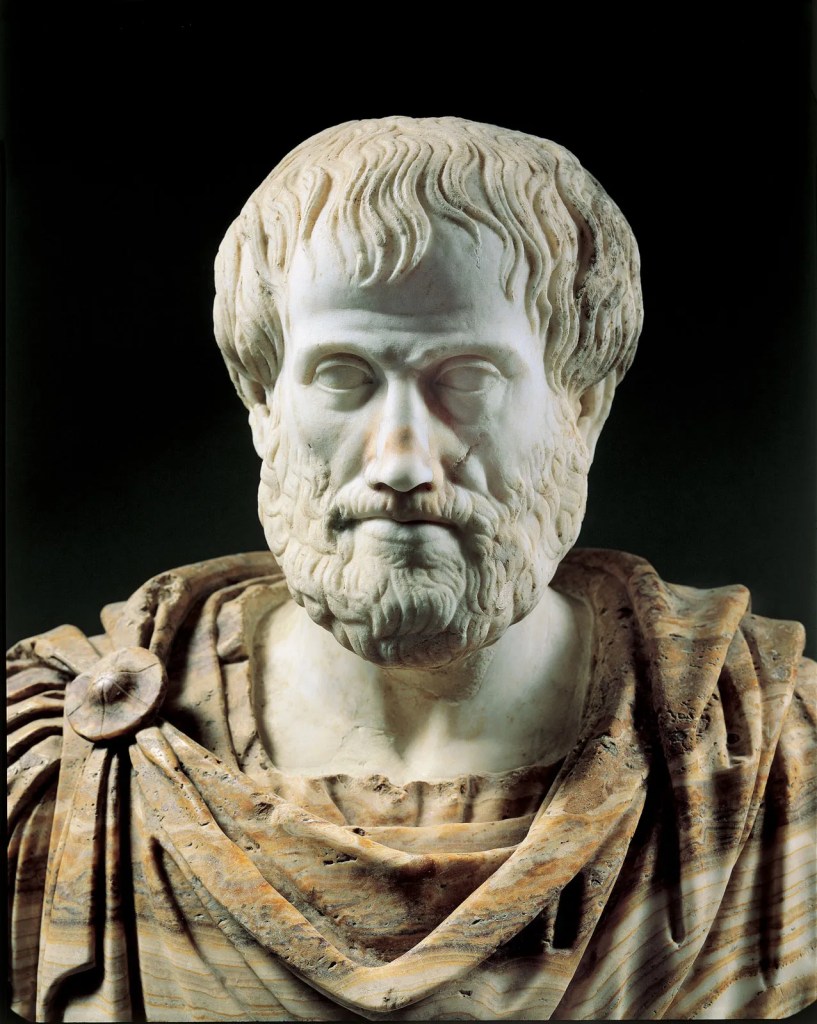
For centuries, abstract thought has influenced the way we perceive ourselves and each other. Philosophy not only serves as an inquiry into our world but as a tool for introspection. Our ideas influence who we are, how we behave, and how we think at an individual level. Society, by definition, is a collection of individuals—each member serving as a critical component of the machine, a brick in the wall that shields us from anarchy. Thus, if we can change how an individual thinks, we can change how a nation thinks.
Philosophy has, and continues to, inform policy, ethics, human rights, and even the vocabulary we choose to use in business meetings and on dates with the girl from the coffee shop. Not only is it critical to the process of creating real-world solutions, but it is also inherent to the way our minds are wired. The ability to think abstractly, to dream wildly, and to fantasize about a reality not yet born—that is what makes us human. And if history is indeed a reliable storyteller, it is also what initiates progress.
The next time you are considering having a “worthless” conversation about the chicken and the egg or venting about your existential crisis to a friend, do it. What you may see as worthless now may well become the foundational basis of the society we build for our children.
-

The Importance of Preparing African Children for an AI-driven Future
As the world moves towards an Artficial Intelligence and technology driven future, Africa’s next generation needs to be equipped with the skills to thrive in this new landscape. In order for the people and the continent to progress, preparation is essential otherwise we risk being left behind.
AI has proven the risks it comes with, both for intellectual and interpersonal skills, so counteracting these risks before they perpetuate into something beyond repairable is essential. If PhD students can be expelled, writers questioned, what can stop children, who view AI as a seemingly harmless tool, from requesting AI to solve mathematics problems, generate English essays and do their homework while their brains slowly diminish and their critical thinking skills never constructed. What makes AI more dangerous is not the fact that it does these things, it is the fact that it can be told to “write this essay as an eight year-old”, undermining not just critical thinking, but creativity as well.
Research has shown that AI may not be all bad for children, as it has become a tool used to seek advice, perhaps preventing many may-have-been suicides or murderers. AI is also used to fill the curiosity gap by replying to questions many adults may have shushed away or blatantly ignored. Whether one likes or does not like AI, whether the negatives outweigh the positives, the fact that it has become a tool present all around us, almost unavoidable, rings true.
An immense amount of data is used to train Artificial Intelligence systems. Data retrieved from books, articles, the internet and in cases where these are limited, synthetic data manufactured by companies. A lot of ongoing debate and research about the racial and cultural bias undertaken when ‘feeding’ these systems is currently a popular topic among scientists, specifically black scientists who are among those who will be greatly affected. This poses a huge amount of risk for black children who are future employees, as these systems favour their white counterparts over them. As names are part of what is used to filter through CVs, the situation is exacerbated in Africa where most of our names are in African languages which is foreign to these systems.Stefan Milne writes in a UW News article about new University of Washington research that found significant racial, gender and intersectional bias in how three state-of-the-art large language models, or LLMs, ranked resumes. The researchers varied names associated with white and black men and women across over 550 real-world resumes and found LLMs favoured white-associated names 85% of the time, female associated names only 11% of the time, and never favoured black male-associated names over white-male associated names. This is alarming for the future of African youth and ought not be taken lightly.
The fact that Africa is often overlooked where issues of innovation and technology are concerned, is the more reason why we should prepare ourselves and future generations for an AI-driven world. Alternative ways have to be considered and created as the job market seems bleak for black people in an AI-driven future.
African children and youth have to be taught about the concept, opportunities and dangers of Artificial Intelligence. They have to be well informed on how the developments of these systems prejudices them so they can be prompted to possibly start thinking of solutions. African future generations have to be taught on the uses of AI, and how they can utilize these systems to advance their communities, businesses and countries.
Many African children are unaware of the vast careers that are in the fields of science and technology. There has to be programs or ways where school kids are not only encouraged to study science, but are introduced to the various careers, beyond engineering and medicine, that are in the field.
African classrooms have to do away with notebooks and papers as a way of writing notes or assessing knowledge. When a normal school-aged child does not know how to turn on a computer, or what Word is, how is she or he expected to survive in a world where almost everything is going digital? Classrooms have to be up-to-date with the 21st century developments so that children can have the required skills and knowledge of digital tools and equipment.
Children and youth have to be taught on what to discuss and what not to discuss with AI tools, as these tools are still digital and privacy within the digital world is questionable.
Beyond the technical skills required for this new landscape, it has become crucial for African children to develop soft skills. Some of the most important soft skills are critical thinking, creativity, communication, problem-solving and empathy. These are crucial to both retain individuality as humans, and to ensure that relations between each other is not lost.
Some of the ways to teach soft skills to African youth are:
Reading
A journal article by P Matthijs Bal and Martijn Veltkamp of the National Library of Medicine is quoted as stating “According to Oatley, fiction presents a simulation of real-world problems, and therefore has real consequences for the reader. Often when someone reads a fictional story, identification with the characters in the story causes the reader to sympathize with the characters, and perhaps even experience the events in the story as if the reader experiences the events him-/herself. Consequently, the reader practices being empathic while reading a fictional story.” Reading not only builds empathy, but it stimulates imagination, leading to the building of creativity.
Activities excluding AI
Children have to be introduced to problem-solving activities where the use of AI is prohibited. This is so that they can be allowed the opportunity to think critically in order to come up with their own unique solutions, building their critical thinking, problem-solving and creativity skills in the process.
Group work
Whether at home or in classrooms, activities where children are required to work as groups is essential in order to build communication skills. Activities such as sports activities, classroom activities or games and chores at home are examples of such activities where communication can be built.
In conclusion, preparing African Children for an AI-driven future is non-negotiable and requires a multi-faceted approach. This involves teaching them about AI, updating classrooms to reflect the digital age, and developing essential soft skills. By doing so, we can ensure that African children are equipped to thrive in an AI-driven world and contribute to the continent’s growth and development.
References
Bal, P. M., & Veltkamp, M. (2013). How does fiction reading influence empathy? An experimental investigation on the role of emotional transportation. PloS one, 8(1), e55341. https://doi.org/10.1371/journal.pone.0055341
Milne, S. (2024, October 31). AI tools show biases in ranking job applicants’ names according to perceived race and gender. UW News. -
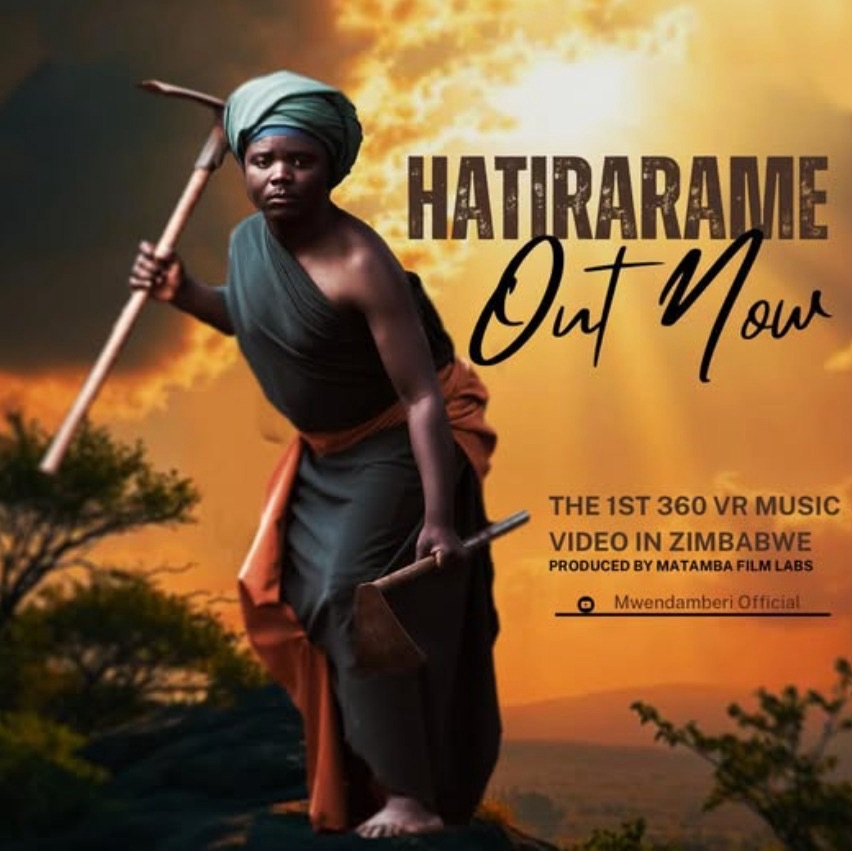
Zimbabwean Artist Merges Tradition with Tech in Groundbreaking Video
By Shyline Msika
Zimbabwean artist Mwendamberi has made a significant mark on the nation’s creative landscape with the release of “Hatiratame” (“We Won’t Live”), Zimbabwe’s first-ever 360-degree, Virtual reality music video. This innovative project, cultivated through an incubator program at Matamba Film Labs and supported by the Irish Embassy in South Africa, exemplifies Zimbabwe’s dedication to embracing cutting-edge technology while preserving its rich cultural heritage.
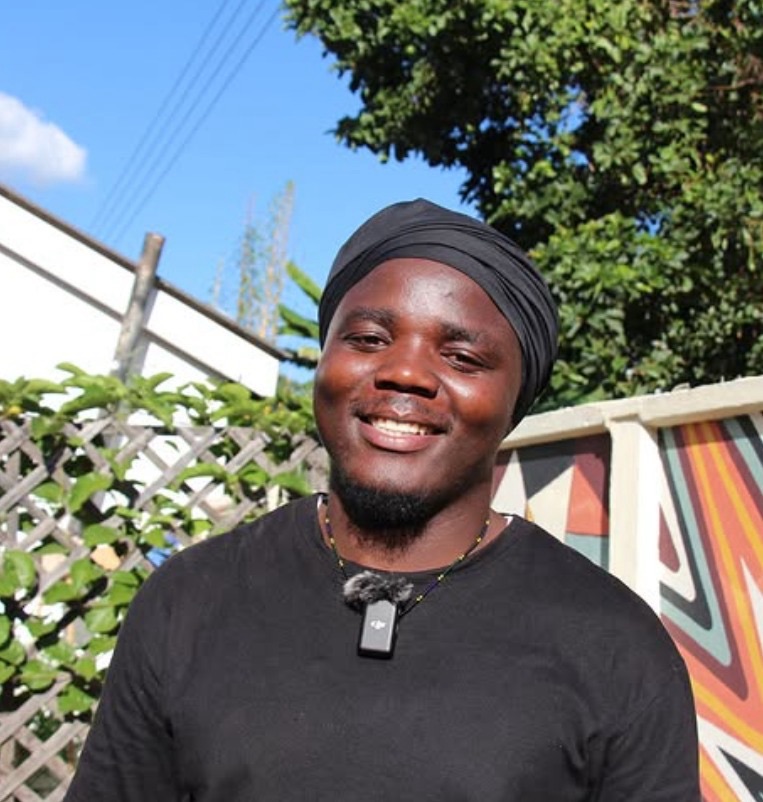
Mwendamberi, a seasoned musician with a deep connection to Afro-Jazz, sought to explore new avenues of artistic expression. “As an artist, I’m always looking for innovative ways to express myself and connect with my audience,” he explains. “When I discovered 360 VR technology, I knew I had to be a part of it. It’s an exciting new frontier that allows me to push the boundaries of storytelling and immersion.”
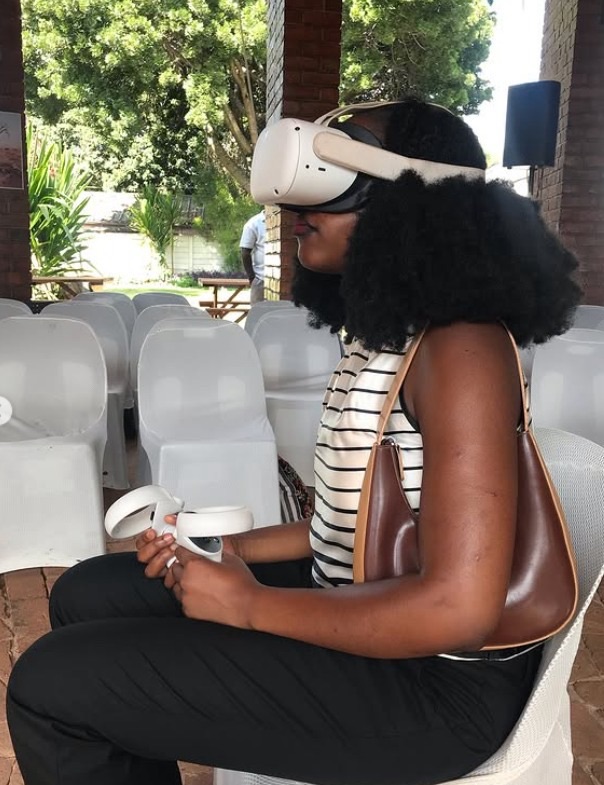
Contrary to initial concepts of purely futuristic visuals, the “Hatiratame” video presents a profoundly African narrative. It powerfully addresses the realities of climate change in Zimbabwe, portraying a man’s urgent prayers for rain during a severe drought. The visual storytelling takes viewers from a room filled with stark images of drought’s devastation to the spiritual heights of Sally Mugabe mountain. Here, Mwendamberi, dressed in symbolic blue and yellow, engages in traditional prayer, complete with ritualistic elements that showcase African Traditional Religion (ATR). The narrative follows the man as he gains strength from his prayers, then returning to his home to begin the work of rebuilding.
“The song and video are a heartfelt prayer,” Mwendamberi emphasizes. “It’s a plea for divine intervention, reflecting the song’s title, ‘Hatiratame,’ which signifies our reliance on spiritual support.”
The project’s success is a product of the collaborative and educational environment fostered by Matamba Film Labs. Through their incubator program, aspiring filmmakers gained essential skills in 360-degree video production, utilizing Qoocam cameras, stitching software, and Premiere Pro. This initiative, backed by the Irish Embassy, highlights the importance of investing in local talent and providing access to advanced technology.

The 360-degree filming process presented unique challenges. “We had to meticulously plan every angle and movement,” Mwendamberi recalls. “It was a demanding but rewarding experience that pushed us to think creatively.”
“Hatiratame” is more than a technological achievement; it’s a cultural statement. “I believe this video will elevate Zimbabwean music and art on the global stage,” Mwendamberi states. “It showcases our unique cultural identity and innovative spirit, demonstrating the potential of modern technology. I hope it will inspire fellow Zimbabwean artists to explore new forms of creative expression.”
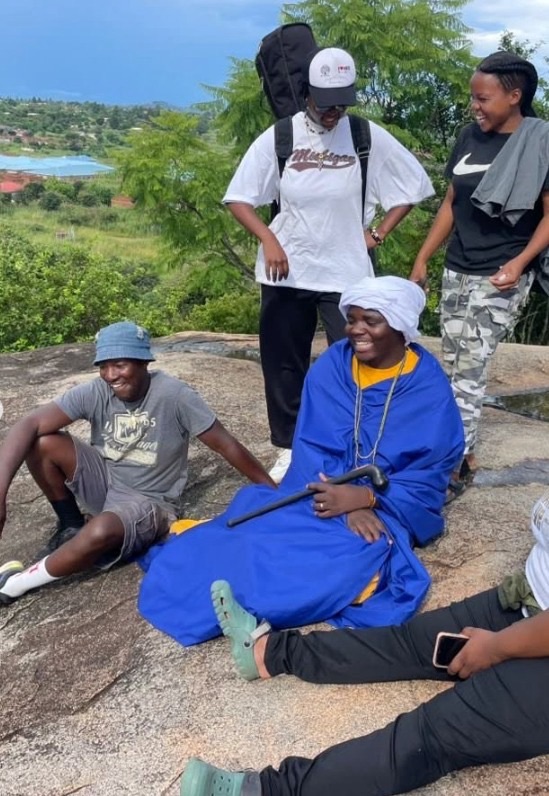
The chosen locations are deeply significant, reinforcing the video’s connection to Zimbabwean reality. The mountain represents spiritual connection, and the home symbolizes resilience.
“Embracing technological advancements is crucial for artists,” Mwendamberi asserts. “It allows us to expand our creative horizons, reach wider audiences, and share our unique perspectives with the world.”
Mwendamberi’s “Hatiratame” is a powerful demonstration of how Zimbabwean artists are adept at integrating global technologies with their cultural heritage. This project stands as a testament to the nation’s artistic ingenuity and its determination to make a significant impact on the global creative scene.
The video can be viewed On Youtube https://youtu.be/exVPkh_zOc4?si=8Ynzj0wW7R-AeGns, and has reached over 8000 views in its first week on the platform. You can experience it on your screens from youtube or even in your Virtual reality headsets.
-

Hostage Diplomacy: The Human Cost of Geopolitical Power Plays
An african passport in hand, you cross borders with dreams of discovery-education, business, or simply the chance to embrace a new horizon. You are hopeful, ambitious and excited for new opportunities. Then, without warning, you find yourself behind bars-not for a crime, but because your citizenship has become a tool in someone else’s political agenda.
In the quiet of a foreign cell, your freedom vanishes, traded for leverage you had no part in creating. This is the chilling face of hostage diplomacy, a tactic where innocent lives-often African lives become collateral in battles between nations. As Africa rises, so too does its exposure to this dangerous game.
Hostage diplomacy is not always about detaining individuals, though this is the most common application. It can extend to economic and political “hostages”, where states use resources, trade or foreign aid as leverage. If you are a seasoned reader of The San African, you might be familiar with our perspective on foreign aid and how it is often used as a bargaining chip to strong arm or influence recipient nations. If not, check out our previous article here.
Lets take a look at a live case study of this proverbial Game of Thrones within the context of contemporary geopolitics.
On the 20th of January 2025, upon commencing his second term as President of the United States, Donald Trump issued an executive order instituting a 90 day freeze of US foreign aid. This directive mandated a comprehensive review of all foreign aid and US foreign policy as a whole and seemed to be in alignment with his “America first” policy when it comes to international political dynamics. Doubling down on this order, US Secretary of State Marco Rubio expanded this order by issuing a “stop-work” directive, effectively halting operations for numerous U.S funded aid programs world-wide.
The immediate ramifications of this decision rippled across the globe, sending shockwaves through economies and humanitarian initiatives that relied heavily on U.S. aid. In Africa, where countless development projects were entwined with American funding—from healthcare programs fighting malaria to infrastructure projects crucial for economic growth—the freeze was more than a policy shift; it was a seismic disruption. Hospitals found themselves without essential medication, food aid programs ground to a halt, and entire communities were left in limbo, caught in the crossfire of a political maneuver they neither voted for nor consented to. The unspoken message was clear: Africa’s progress, in the eyes of global power brokers, remained conditional—a bargaining chip, not a right.
Yet, beyond the immediate suffering, the move exposed the fragile nature of Africa’s sovereignty in the geopolitical arena. While the continent has long sought economic and diplomatic independence, this abrupt suspension of aid underscored the enduring imbalance of power. Some African leaders, previously aligned with Washington, found themselves reconsidering alliances, quietly pivoting towards China and Russia, whose aid often came with fewer political strings attached. The pause in U.S. funding was not just an economic crisis—it was an inflection point, a stark reminder that in the modern world order, Africa’s agency remains, all too often, at the mercy of decisions made in foreign capitals.
Granted this is all very abstract and difficult to conceptualize in terms of the everyday effects of geopolitical power plays on the lives of african citizens. What does this move from washington mean for you, me and the lady down the street?
Humanizing the Impact
Tobi Ayodele (fictional character) is a 29 year old man, swinging from gig to gig as a brick layer in and around Lagos. He has no real vocational training, just an uncle who was willing to teach and hands that were willing to learn. Tobi is making roughly 50,000.00 Naira ($32) a month. Most of it goes to rent, food and taking care of his little brother.
Six years ago, Tobi found out that he was HIV positive. For the purposes of his privacy, we will not go into how he contracted the disease. Fake characters deserve respect too.
Why is all of this relevant in a conversation about geopolitics? What do Tobi and his HIV status have to do with Donald Trump? Well Nigeria is one of the largest recipients of PEPFAR funding in Africa for ARVs and HIV care having recieved over $7.8 billion since its inception in 2004. The correlation is starting to becoming frighteningly clear now isn’t it?
For Tobi, and millions like him, geopolitics isn’t some distant chess match between world powers—it’s the difference between life and death. His access to antiretroviral drugs, regular check-ups, and the medical support that keeps him healthy isn’t a given; it’s dependent on the political whims of leaders thousands of miles away.
With the U.S. aid freeze in place, PEPFAR-funded clinics across Nigeria are already feeling the strain. Stocks of ARVs are dwindling, community outreach programs are scaling back, and the very lifeline that has kept HIV from becoming a death sentence for people like Tobi is fraying. Without intervention, he and countless others could find themselves in the terrifying position of having to ration medication or go without entirely—an avoidable catastrophe dictated by a political decision he had no say in.
And this is the true cost of hostage diplomacy. It doesn’t just play out in diplomatic standoffs or trade negotiations; it takes root in the quiet desperation of those who wake up each day wondering if the world has simply decided they are expendable.
Tobi’s story is a single thread in a much larger tapestry—one that forces us to ask: when aid becomes a bargaining chip, who ultimately pays the price?
The Wider Fallout: Who Else is Affected?
Tobi’s struggle is just one example of the broader crisis unfolding across Africa. The aid freeze doesn’t discriminate—it strikes at the most vulnerable, across multiple sectors:
- Healthcare: HIV isn’t the only battle African health systems are fighting. U.S.-funded malaria prevention programs, maternal health initiatives, and tuberculosis treatment centers are all facing funding gaps. Without timely intervention, mortality rates will rise.
- Food Security: In drought-stricken regions like the Horn of Africa, U.S.-supported food aid programs were the last line of defense against famine. Their suspension leaves millions at risk of hunger and malnutrition.
- Education: Scholarships, exchange programs, and vocational training initiatives funded by the U.S. are now in limbo. Thousands of students and young professionals see their futures suddenly thrown into uncertainty.
- Infrastructure & Business Growth: Road construction projects, energy partnerships, and small-business grants backed by American aid are now stalled. In a continent where economic progress is already fragile, such a pause stunts growth and deepens dependency on alternative powers.
The domino effect is unmistakable: the withdrawal of U.S. aid doesn’t just weaken individual lives; it weakens economies, communities, and entire nations.
A Shift in Global Alliances: Africa’s Crossroads
This moment of crisis is also a moment of reckoning for Africa’s leaders. The message from Washington is clear: aid is conditional, and Africa’s fate is still tied to external interests. But does it have to be?
Many African governments are now reconsidering their reliance on the West. With China and Russia presenting themselves as alternative partners—often offering aid and investment with fewer overt political strings—some nations are beginning to pivot eastward. Yet, these alternatives come with their own risks: Chinese loans have fueled debt crises across Africa, and Russian involvement often aligns with authoritarian regimes.
The question then becomes: how does Africa navigate this shifting landscape without replacing one dependency with another?
What Can Africa Do? A Call to Action
The way forward requires bold, strategic action from both governments and civil society:
- Strengthen Intra-African Cooperation: The African Union and regional economic blocs must take a more assertive role in funding and sustaining essential programs, reducing reliance on foreign aid. Initiatives like the African Continental Free Trade Area (AfCFTA) could provide long-term economic security.
- Diversify Funding Sources: African nations should seek partnerships beyond traditional donors. The rise of homegrown fintech, private equity, and sustainable development funds presents opportunities for self-reliance.
- Invest in Local Solutions: Governments must prioritize funding for healthcare, education, and infrastructure through domestic revenue. Expanding taxation models, fighting corruption, and investing in self-sustaining industries are critical.
- Empower Civil Society & Philanthropy: African billionaires and successful enterprises have the resources to bridge some gaps. It’s time for local philanthropists to step up in health, education, and economic empowerment.
A Future Decided on African Terms
Tobi’s story is not just about him. It is about the millions whose futures remain precarious, subject to the calculations of distant politicians. The U.S. aid freeze is a wake-up call—one that exposes Africa’s vulnerabilities but also highlights the urgency for change.
If Africa is to rise as a global power, it cannot afford to remain a bargaining chip. The path forward must be one of sovereignty, self-reliance, and strategic partnerships that serve African interests first. Because until Africa controls its own narrative, it will always be at the mercy of those who see it as a pawn rather than a player.
The real question is: will Africa seize this moment, or let history repeat itself?
-
Song of the Dust
by teedzani thapelo
In the warm November light of the Kalahari, a new wind stirred. Duma Boko, newly seated as Botswana’s President, stood before Parliament in his inaugural State of the Nation Address.
His words cut through the air with the precision of a hunter’s arrow and the weight of ancient stone: “One of our people is unable to rest, far from his home. Country roads hear him yearn. Please take him home; to the place where he belongs.”
These words, trembling with emotion, marked more than a shift in tone; they heralded a seismic political and moral awakening.
In announcing that Pitseng Gaoberekwe, a San man forcibly removed from the Central Kalahari Game Reserve (CKGR) and denied the dignity of burial in his ancestral land, would finally return home, Boko declared a new vision for Botswana—a vision of restoration, inclusion, and unshakable respect for human dignity. His decision to reverse decades of dispossession and bureaucratic hostility not only righted a historic wrong but also signalled a bold reimagining of Botswana’s democratic and cultural future.
Land Wounded by Loss
The Central Kalahari Game Reserve is not merely a stretch of desert. It is the sacred heartbeat of the San people, whose stories, songs, and spirits are woven into its golden sands and whispering thorn trees.
Yet, for decades, the San—Botswana’s first people—were driven from their ancestral lands under the guise of progress. Diamond mining, fenced game reserves, and the relentless march of “modernity” relegated them to makeshift settlements where poverty, disease, and alienation gnawed at their souls.
When Boko, then a lawyer in private practice, took up their cause in court, he unearthed a truth that echoed through the ages: no law, no decree, no machinery of government could sever the sacred bond between a people and their land.
Yet, the victory he helped secure with the assistance of British lawyers hired by the San—a landmark ruling affirming the San’s right to return to the CKGR—was met with the cruel inertia of a government intent on delay and obstruction.
Now, as president, Boko’s trembling voice and solemn declaration bridged the yawning gap between law and justice.
The announcement of Gaoberekwe’s burial in the CKGR was more than a gesture of redress; it was a song sung to the wounded land itself, an invocation for healing and harmony.
Philosophy of Dignity
At the heart of Boko’s vision lies a profound commitment to human dignity—a principle that transcends politics to touch the essence of what it means to be human.
In restoring Gaoberekwe’s final rest to the CKGR, Boko affirmed that dignity is not contingent upon power, wealth, or influence but is an inherent right, a flame that burns within every soul, however marginalized or forgotten.
Boko’s human rights philosophy draws deeply from Botswana’s cultural ethos, where the concept of botho—often translated as “humanity”—remains a cornerstone of social values. Botho teaches that a person is a person through others, that individual well-being is inseparable from collective harmony.
In his speech, Boko extended this philosophy beyond the boundaries of the living, affirming that even the dead possess rights—rights to rest, to belonging, to be remembered in the soil that shaped them.
This profound respect for the weak and vulnerable echoes globally significant philosophies, from Ubuntu in southern Africa to the Universal Declaration of Human Rights.
Yet, in Boko’s hands, these ideals are not abstract principles but living commitments, rooted in the sands of the Kalahari and watered by the tears of those who have suffered dispossession.
Nation Reborn
Boko’s new political culture—one that places inclusion and respect for human dignity at its core—holds transformative potential for Botswana. For too long, the nation’s development narrative has celebrated its economic success while sidelining its human costs. The dispossession of the San, the widening gap between urban elites and rural communities, and the erosion of cultural identities have haunted Botswana’s march toward modernity.
Under Boko’s leadership, these ghosts are not to be ignored or buried; they are to be confronted, acknowledged, and integrated into a new story of national renewal. By elevating the dignity of the marginalized, Boko redefines the measure of progress.
Development, in his vision, is not merely the extraction of wealth from the earth but the enrichment of every life it touches. It is the creation of a society where no voice is too small to be heard, no person too powerless to matter.
The decision to bury Gaoberekwe in the CKGR also signals a powerful reclamation of Botswana’s moral authority. It is a declaration that democracy is not merely a system of elections and institutions but a living relationship between a government and its people, grounded in trust, empathy, and mutual respect.
Horizon Ahead
Boko’s actions are not without risk. The decision to prioritize human dignity over entrenched economic interests—particularly in a region rich with diamonds—will undoubtedly provoke resistance from those who profit from the status quo.
Similarly, the cultural shift he envisions will require profound changes in attitudes and structures, challenging deep-seated prejudices and assumptions about who belongs where and why.
Yet, in this moment, Boko’s vision gleams with the clarity of water in a desert well. By standing with the San, he aligns himself with a broader global movement toward restorative justice and environmental stewardship. He positions Botswana not as a nation beholden to extractive industries but as a leader in sustainable and inclusive development—a beacon for other nations grappling with the legacies of colonialism and exploitation.
Spirit of the Kalahari
The Kalahari is more than a backdrop to this story; it is its silent witness and eternal participant. Its vastness mirrors the scale of Botswana’s challenges and opportunities, its resilience a testament to the enduring spirit of its people.
Boko’s speech, steeped in the symbolism of return and reconciliation, draws deeply from this landscape’s power.
In Setswana folklore, the Kalahari is often likened to an old storyteller, its dunes shifting like the pages of an ancient book.
To return Gaoberekwe to its sands is to write a new chapter in that book, one where harmony replaces discord, and respect triumphs over neglect.
Song Continues
As the sun sets on the 10th of December, 2024, and the people of Botswana gather in solemn unity to lay Gaoberekwe to rest, the moment will resonate far beyond the CKGR. It will speak to the enduring strength of a people determined to honour their past while shaping their future.
It will remind the world that progress is not a race to leave others behind but a journey where everyone moves forward together.
In restoring the dignity of one man, Boko restores the dignity of a nation. His trembling words carry the weight of centuries and the promise of renewal.
The winds of the Kalahari will carry that promise, whispering through thorn trees and over dunes, reminding all who listen that in the vastness of the desert, every life, every story, every soul matters.
In this song of the dust, Botswana finds not just its voice but its true self.
-
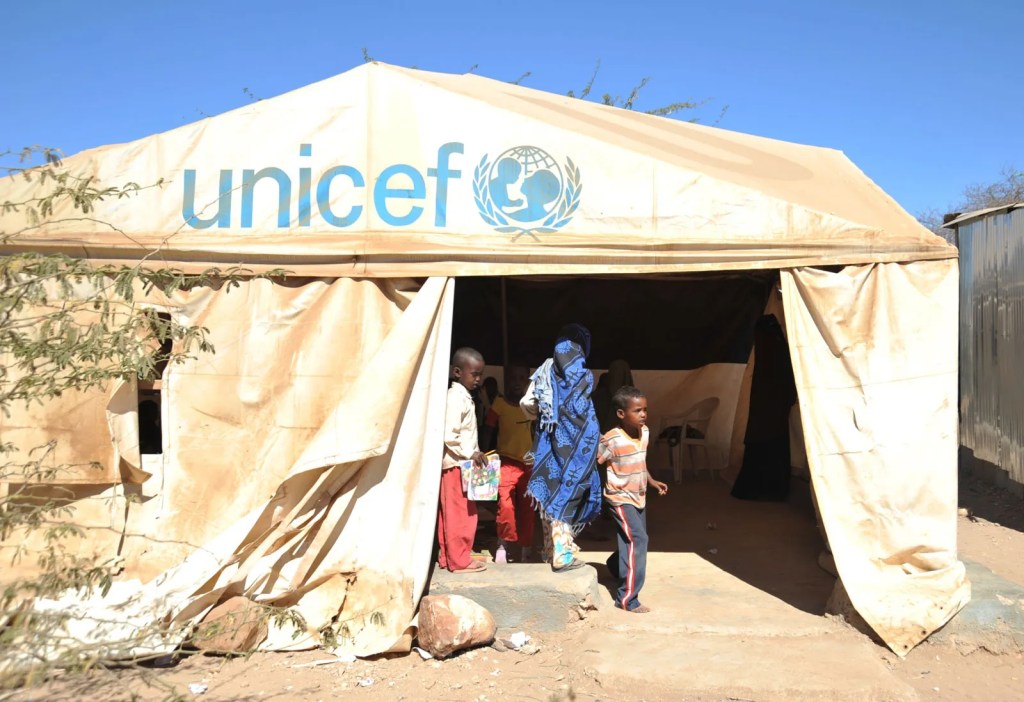
Dead Aid, Dead Future: How Western Generosity Suffocates African Economies
by leruo monang
“Aid has been, and continues to be, an unmitigated political, economic, and humanitarian disaster for most parts of the developing world.” Says Dambisa Moyo, award winning Zambian Economist and author of Dead Aid.
Moyo’s assertion challenges the widely held belief that foreign aid is a panacea for the economic struggles of the developing world. Instead, she argues that aid fosters a cycle of dependency, weakens local institutions, and perpetuates corruption. By providing a steady stream of external funds, governments are often incentivized to prioritize donor interests over domestic needs. This dynamic stifles innovation, discourages accountability, and hinders the development of sustainable economic systems. Moreover, the influx of aid can distort markets, suppress local entrepreneurship, and foster a culture of reliance, ultimately undermining the very growth it seeks to stimulate.
Critics of Moyo’s perspective, however, argue that aid, when strategically deployed, has the potential to address critical gaps in infrastructure, healthcare, and education. Success stories in countries that have used aid to improve literacy rates, combat diseases, and build essential infrastructure illustrate the nuanced role of foreign assistance. The real issue, they contend, lies in the implementation and governance of aid programs, rather than in the concept of aid itself. Moyo’s critique, while valid in many instances, calls for a reevaluation of aid frameworks to ensure they empower local economies and foster long-term self-reliance rather than perpetuate a cycle of dependency.
These critiques however assume benevolance on the part of both the donor and the custodians of the donation. It is perhaps the world’s worst kept secret that Africa has, for decades, been subject to some of the worst corruption we have ever seen. Scandals around state capture, embezzlement, money laundering and government kickbacks have plagued the continent since time immemorial. Moyo argues that the cash-flow from foreign not only facilitates corruption but incentivizes it.
The Proverbial Cookie Jar
Imagine you are the President of a fictional African nation. We will call her Rimbabwe. Rimbabwe has just come off the back of a devastating battle for independence from British colonial rule. The towns are in ruins, the people are destitute and the economy is in tatters. Infrastructural developments need to happen but there is no money to finance them.
Here comes the good Samaritan in the form of the World Bank, awarding you a relief loan of US$10 billion to rebuild. Keep in mind, Your Excellency, that there are no institutions to keep you accountable, no checks and balances to ensure the wise stewardship of these funds and no watch dogs breathing down your neck to prevent you from sticking your fingers in the cookie jar. Do you see where I am going with this?
The allocation of large sums of money to nations with underdeveloped institutions, gaps in legislation and an absence of accountability fosters corruption and encourages politics of the stomach. Those that aspire to reach positions of power for the sole purpose of state capture and feeding their individual desires.
The Fine Print: Ts and Cs of Foreign Aid
Foreign aid is often presented as an altruistic gesture, a lifeline extended to nations in need. Yet, beneath this benevolent facade lies a complex web of geopolitical interests. For many donor countries, aid serves as a strategic tool to exert influence over the political landscapes of recipient nations. By attaching conditions to financial assistance, western powers have often leveraged aid to dictate policy directions, sway election outcomes, and suppress dissent. In this dynamic, the true beneficiaries of aid are not the impoverished citizens of the Global South but the geopolitical agendas of those in the Global North. Aid often becomes a conduit for political manipulation, entrenching foreign dominance in domestic affairs under the guise of generosity.
Foreign aid is rarely given without conditions, and these conditions often infringe on the sovereignty of recipient nations. Whether through structural adjustment programs imposed by international financial institutions or bilateral agreements tied to political reforms, aid frequently requires recipients to align their policies with the interests of donor nations.
These conditionalities can force governments to adopt measures that may be economically or socially detrimental, such as privatizing public services, cutting subsidies, or reducing public sector employment. While these policies might align with donor ideologies, they often disregard the specific needs and contexts of recipient nations, undermining their autonomy and the democratic will of their people.
In the 1800s, colonial powers used guns, ships, and soldiers to seize control of Africa. Today, the tools have changed, but the intent remains strikingly similar. Predatory loans and grants, often laden with exploitative terms, have become the modern mechanisms of control. Aid, when used this way, is not a gift but a strategic instrument of neocolonialism, designed to maintain influence and economic dominance over African nations.
Economic Dependency: The Hidden Cost of Aid
Foreign aid often arrives with promises of development, yet it can inadvertently foster economic dependency. Many recipient nations come to rely on consistent inflows of external funding to balance budgets, finance public projects, or even meet basic needs. This dependency discourages governments from seeking sustainable, homegrown solutions to economic challenges. Over time, aid dependency erodes the incentive to develop resilient local industries or invest in revenue-generating sectors such as agriculture, manufacturing, and trade.
The result is a vicious cycle: nations trapped in a perpetual state of reliance on external assistance, unable to achieve true financial independence. The stagnation of local economic innovation and entrepreneurship becomes a direct consequence of this reliance. Aid donors, meanwhile, gain leverage over the policy and fiscal decisions of recipient governments, further entrenching the imbalance of power. Without a shift toward self-sufficiency, the long-term economic health of these nations remains precarious.
Aid Effectiveness and Waste: When Good Intentions Miss the Mark
Aid programs are often plagued by inefficiencies and mismanagement, leading to outcomes far removed from their intended goals. Funds earmarked for essential services such as healthcare, education, or infrastructure are frequently lost to bureaucratic overheads, poorly designed projects, or corruption. In some cases, donor nations push for high-visibility projects that serve their public relations agendas but have minimal impact on local communities.
Even when projects are well-intentioned, they often fail due to a lack of alignment with local needs or conditions. For instance, the construction of roads or hospitals may fall short without plans for maintenance or operational sustainability. Aid recipients, particularly in rural areas, are left with unusable infrastructure or services that cannot be sustained. Such waste underscores the need for greater accountability and collaboration in designing and implementing aid programs.
Distortion of Local Economies: The Market Fallout
Aid can inadvertently disrupt local economies by introducing external goods and services that undermine domestic industries. The donation of food aid, for example, often floods local markets with free or heavily subsidized imports, leaving local farmers unable to compete. Similarly, foreign aid tied to specific donor-country contractors or suppliers can exclude local businesses from participating in lucrative projects, stifling their growth.
This market distortion discourages the development of local production capabilities and creates a dependency on external goods and expertise. Over time, it hollows out domestic economic resilience, leaving recipient nations more vulnerable to external shocks. Effective aid programs must prioritize building local capacity and supporting industries that contribute to long-term economic growth.
Cultural and Social Impacts: Erosion of Local Identity
Aid programs often come with an implicit imposition of foreign values and systems, leading to a disconnection between the intended goals of development and the realities of local communities. Western ideals embedded in education, governance, or health initiatives may clash with indigenous practices and traditions. This imposition can marginalize local knowledge and solutions, fostering a sense of alienation among the people aid is supposed to help.
Moreover, the dependency fostered by aid can shift societal dynamics, creating hierarchies based on proximity to foreign funding or decision-making. Communities may become more focused on catering to donor expectations than addressing their own priorities. Respecting and integrating local cultural contexts is essential to ensuring that aid efforts empower rather than displace local communities.
The Role of NGOs and Donor Agencies: Accountability Under Scrutiny
Non-governmental organizations (NGOs) and donor agencies play a significant role in distributing aid, but their operations are not without criticism. Many NGOs operate with limited accountability, leading to questions about how funds are spent and whether their efforts align with the long-term development goals of recipient nations. Donor agencies, meanwhile, are often influenced by the political and economic agendas of their home countries, prioritizing projects that serve their interests rather than those of the communities they aim to help.
Additionally, the presence of foreign NGOs can overshadow local civil society organizations, diverting resources and talent away from grassroots initiatives. For aid to be truly effective, it must support the growth of local institutions, ensuring that communities have the capacity to sustain development independently of external actors.
Long-term Environmental Consequences: An Overlooked Cost
Aid-driven development projects often overlook their environmental impacts, leading to unintended consequences for recipient nations. Infrastructure projects, such as roads, dams, or urban expansions, frequently disrupt ecosystems and displace communities without adequate mitigation plans. Similarly, agricultural aid programs that prioritize monoculture or high-yield crops can deplete soil fertility and exacerbate water scarcity.
The environmental costs of such projects are often borne disproportionately by the poorest and most vulnerable communities. Sustainable aid practices must prioritize environmental resilience, integrating conservation and renewable energy solutions into development initiatives. By addressing these long-term consequences, aid programs can better align with the holistic needs of recipient nations.
Alternatives to Traditional Aid: A Path Forward
Rather than relying on traditional aid, fostering trade and investment may provide a more sustainable path for development. Encouraging regional trade partnerships and reducing barriers to market access can empower nations to grow their economies organically. Initiatives that prioritize skills transfer, entrepreneurship, and technology adoption can help create jobs and build local industries.
Foreign direct investment (FDI) and public-private partnerships offer another avenue for sustainable development. Unlike aid, FDI often brings with it long-term commitments to local economies, including job creation and infrastructure development. By shifting the focus from aid to economic collaboration, nations can reduce dependency and build a future rooted in self-reliance and mutual prosperity.
Be Critical: A call to action
To quote American political scientist, adviser and academic (ironically), “The West won the world not by the superiority of its ideas or values or religion… but rather by its superiority in applying organized violence. Westerners often forget this fact; non-westerners never do.”
They can no longer stab, shoot or kill us so their guns come wrapped in white envelopes and their knives signed by their treasurers. Be Critical, there is no such thing as a free meal.
-

New Dawn for Women in Botswana: Advancing Rights and Dignity under President Boko
by teedzAI THAPELO
The winds of change have swept across Botswana. Following the historic October 30th, 2024, elections, Advocate Duma Boko has risen to the highest office, promising a transformative era for women’s rights and welfare.
His appointment of several accomplished young women to key positions signals not only a commitment to gender parity but a deeper reckoning with the structural inequalities that have long held women back in Botswana. Against the backdrop of the 2024 International Women’s Day theme, “Invest in Women: Accelerate Progress,” and the 16 Days of Activism Against Gender-Based Violence theme, “Towards Beijing+30: Unite to End Violence Against Women and Girls,” the moment calls for critical reflection on what this era might mean for women and society as a whole.
A Historic Cabinet and the Weight of Progress
President Boko’s appointments are historic.
Lesego Chombo, a Miss World Africa titleholder and lawyer, now steers the Ministry of Youth and Gender Affairs, embodying a fusion of advocacy, intellect, and representation. Economist Bogolo Kenewendo’s leadership in the Ministry of Minerals and Energy positions women at the forefront of Botswana’s economic future. Emang Bokhutlo-Mutapati’s advocacy for press freedom and ethical journalism takes centre stage as she becomes Press Secretary to the President, amplifying women’s voices in public discourse.
Together, this team brings diverse perspectives to government, signalling a shift towards inclusivity under the leadership of Botswana post-independence children; a new intellectual generation that is youth-centred, tech savvy, worldly, cosmopolitan, and conscious of the fate and destiny of the nation in the turbulent era of the 21st century, an informed, articulate and analytical generation poised to amplify women’s voices at home and in global agenda debates and decisions.
For decades, women in Botswana have faced systemic barriers, from discriminatory customary laws to limited access to leadership opportunities in political parties, government and commercial industry. While Botswana’s Constitution guarantees equality before the law, cultural norms and practices have often undermined these rights. By placing women in pivotal roles, the new administration is poised to dismantle these barriers and inspire a generation of girls to envision a different future.
Cultural Tensions of Gender Progress
The appointment of young gender advocacy women leaders in a patriarchal society challenges deep-seated cultural norms. In rural Botswana, where customary law often prevails, women’s roles still yearn for advancement beyond the customary recognition of a few women as chiefs. Male-dominated institutions like the kgotla—a communal decision-making forum—have historically sidelined women, especially in marriage matters and inheritance disputes.
President Boko’s administration must navigate this terrain delicately, balancing progress with respect for cultural heritage.
The inclusion of women like Nono Kgafela-Mokoka as Minister of Child Welfare and Basic Education offers hope for addressing these cultural tensions. By investing in gender-sensitive education, the government can empower young girls while engaging communities in dialogue about the evolving roles of women. Education reforms must include curricula that challenge stereotypes and teach boys and girls alike the value of equality, creating a foundation for cultural transformation.
Economic Empowerment: The Key to Independence
The appointment of women to economic portfolios underscores a commitment to addressing the economic disparities that perpetuate gender inequality.
In Botswana, women are disproportionately represented in low-paying jobs, with limited access to capital. President Boko’s vow to implement his party’s human rights-based manifesto provides an opportunity to prioritize economic reforms that benefit women.
Bogolo Kenewendo’s leadership in the Ministry of Minerals and Energy is particularly significant. The mining sector, a cornerstone of Botswana’s economy, has long been dominated by men. By promoting policies that encourage women’s participation in this sector, the government can redefine economic empowerment.
Initiatives such as access to training programs, financing for women entrepreneurs, and quotas for women in leadership positions are crucial to ensuring that economic growth translates into gender equality.
Furthermore, the government’s emphasis on renewable energy, as recently articulated by Vice President and Finance Minister, Ndaba Gaolathe, provides an opportunity to engage women in sustainable development projects. Community-based solar and wind energy initiatives can create jobs for women while addressing energy poverty in rural areas. Economic empowerment is not just about income; it is about giving women the tools to participate fully in shaping their own lives and communities.
Fight Against Gender-Based Violence
Gender-based violence (GBV) remains one of the most pressing issues facing women in Botswana. The 2024 theme for the 16 Days of Activism, “Towards Beijing+30: Unite to End Violence Against Women and Girls,” highlights the urgency of addressing this crisis. Despite legislative progress, including the domestic violence acts and penal code amendment, implementation remains a challenge.
Many survivors lack access to justice due to stigma, fear, and inadequate support systems. Under President Boko’s leadership, the government has the opportunity to strengthen these frameworks.
Lesego Chombo’s role as Minister of Youth and Gender Affairs will be critical in ensuring that resources are allocated to combat GBV effectively. This includes funding for shelters, counselling services, and public awareness campaigns. The administration must also address the gaps in the criminal justice system, ensuring that perpetrators are held accountable and survivors receive the support they need.
The fight against GBV must also involve men and boys. Initiatives that engage men as allies in promoting gender equality can challenge harmful attitudes and behaviours. By fostering a culture of respect and accountability, Botswana can move closer to a society where women are free from violence and fear.
Constitutional Reform
Botswana’s legal framework has historically failed to fully protect women’s rights, particularly in areas where customary law intersects with statutory law. President Boko’s background as a human rights lawyer and constitutional scholar positions him uniquely to address these gaps. Constitutional reform must be prioritized to ensure that women’s rights are not subject to cultural exceptions.
Aspirations of Pan-African Feminism
President Boko’s administration arrives at a time when Pan-African feminism is gaining momentum across the continent. This movement calls for the decolonization of gender relations and the recognition of African women’s unique struggles and contributions. Botswana’s advancements can serve as a model for other nations, demonstrating the power of inclusive leadership.
Emang Bokhutlo-Mutapati’s appointment as Press Secretary to the President highlights the role of media in amplifying women’s voices and shaping public opinion. By promoting stories that celebrate women’s achievements and address their challenges, the media can play a transformative role in advancing gender equality. Pan-African feminism also emphasizes solidarity among women across borders, advocating for regional cooperation on issues such as GBV, maternal health, and economic inclusion, and in this administration we have women who are more than qualified to articulate and implement this vision.
Towards a Society of Equals
The road ahead is not without challenges. Achieving true gender equality requires not only political will but also a societal shift in attitudes and behaviours. Women’s advancement must be seen not as a threat to tradition but as an opportunity to build a more just and prosperous society.
As President Boko’s administration implements its human rights-based manifesto, it must prioritize the voices and needs of women, ensuring that progress is inclusive and sustainable.
The theme of International Women’s Day 2024, “Invest in Women: Accelerate Progress,” captures the essence of this moment. By investing strategically in education, healthcare, and economic opportunities for women, Botswana can unlock the full potential of half its population. This investment is not just about fairness; it is about building a society where everyone can thrive.
Beacon of Hope
The rise of young women leaders in President Boko’s administration represents more than a political milestone; it is a beacon of hope for all who believe in the dignity and potential of women. From the corridors of power to the classrooms of rural schools, this new era holds the promise of transformation.
Yet, the journey requires vigilance, advocacy, and unity. Botswana stands at the threshold of history, with an opportunity to lead by example in the fight for gender equality.
As the world watches, the nation must seize this moment to honour its women, not just with words but with action.
The vision of a Botswana where every woman and girl can live free from violence, inequality, and fear is within reach.
It is a vision that will require courage, commitment, and the unwavering belief that progress for women, is progress for all.
-
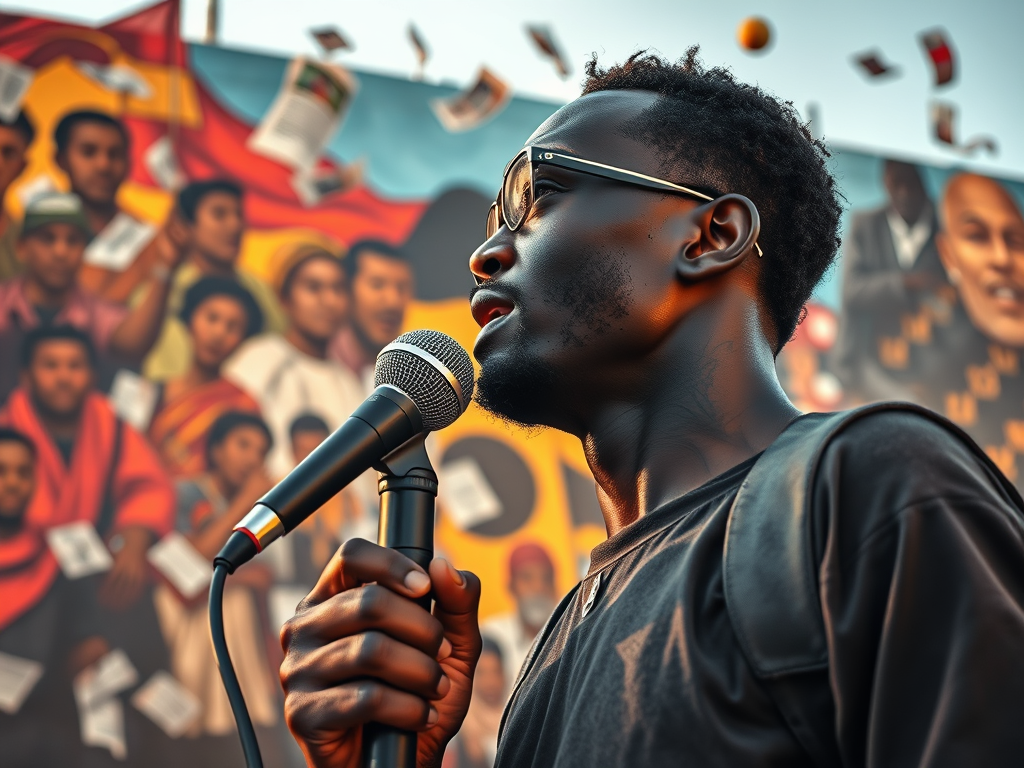
Democracy’s Fragile Ally: The Battle for Press Freedom in Africa
by Leruo Monang
To be free is to be able to express unapologetically. Be it through dance, song, art or sport. The the freedom we yearn for is tied to how much space we are permitted to occupy.
In the context of the african pursuit of freedom, we have seen how arts, culture and music have been instrumental in the crusade for emancipation. As grateful as we may be for their presence, we tend to neglect their older brother. The first born son in the family of freedom.
Journalists in africa, particularly those who spoke out against their respective (and oppressive) regimes have been persecuted since time immemorial. Icons like Henry Sylvester Williams, Ruth First, Pius Njawe and Dele Giwa pledged their lives to giving voices to the voiceless and platforms to the marginalized even at the risk of losing everything the had.
Yet, their sacrifices were not in vain. These brave pioneers understood that the pen wields a power that transcends borders, generations, and regimes. They knew that to control the narrative is to hold the reins of history itself. In Africa’s journey toward self-determination and justice, the free press has been both a witness and a weapon—chronicling the struggles of liberation, exposing corruption, and giving a face to the dreams and grievances of the everyday African.
However, the battle for a truly free press is far from over. Across the continent, journalists continue to face harassment, imprisonment, and even death for daring to tell the truth. Censorship and state control, often masked as national security measures, stifle the flow of information, while the rise of disinformation campaigns threatens to erode public trust. In this fragile balance between oppression and liberty, the role of an unfettered press remains as crucial as ever in nurturing democracy and safeguarding the African narrative.
A Pillar of Accountability
A free press serves as a watchdog over governments, holding leaders accountable for their actions and ensuring transparency in public affairs. In Kenya, the Daily Nation famously uncovered the Goldenberg Scandal, one of the largest corruption scandals in Africa’s history, involving the misappropriation of millions in taxpayer funds. Despite threats and legal pressures, investigative journalists relentlessly pursued the truth, ultimately forcing government resignations and reforms. This is the power of a free press: a mirror held up to those in power, reflecting their misdeeds and demanding accountability.
Conversely, in countries like Eritrea, where press freedom is nearly non-existent, the absence of a watchdog has allowed unchecked abuses to fester. In the 2017 World Press Freedom Index, Eritrea ranked last, with no independent media to hold the regime accountable. The suppression of journalism has led to an information vacuum, depriving citizens of the tools they need to question authority or advocate for change.
Press Freedom and Citizen Empowerment
When Zambia faced a crucial election in 2021, independent outlets like The Mast and News Diggers played pivotal roles in educating voters on policies and electoral procedures. By providing balanced and accessible information, these publications ensured that even those in remote areas could make informed decisions.
In South Africa, investigative pieces from AmaBhungane and Daily Maverick about state capture not only exposed political corruption but also mobilized citizens to demand accountability. These stories showcased how an informed populace could shape governance and demand better representation. On the other hand, nations with heavily censored media, like Zimbabwe during Robert Mugabe’s tenure, saw voter manipulation thrive, as citizens were fed propaganda instead of truth.
Challenges and Resilience of African Journalism
The tragic assassination of Ghanaian journalist Ahmed Hussein-Suale in 2019 shocked the continent. His investigative work on corruption in football exposed powerful networks but ultimately cost him his life. This chilling case reflects the high stakes of journalism in Africa, where speaking truth to power can lead to intimidation, imprisonment, or worse.
Yet, despite the dangers, African journalists persevere. Platforms like The Elephant in Kenya and Premium Times in Nigeria are innovating with digital tools to bypass censorship and reach wider audiences. Moreover, grassroots media initiatives, such as community radio stations in Mali, provide vital information in local languages, proving that even in adversity, African journalists find ways to connect with and empower their communities.
A Call to Protect Press Freedom
The struggle for press freedom is a struggle for democracy, truth, and the very soul of Africa’s future. Without a free press, citizens remain in the dark, corruption festers, and progress stalls. As Africans, we must champion platforms like The San African that prioritize our stories and amplify our voices.
As Honourable Nelson Chamisa of Zimbabwe once said:
“The freedom of the press is the freedom of the people. When you silence a journalist, you silence a nation.”It is our collective duty to ensure that Africa’s journalists continue to thrive—not in fear but in freedom. Together, we can build a continent where every truth is told and every voice is heard.
 The San African