“Scientists’ early analysis of 2023 data shows that emissions from fossil fuels rose 1.1% in 2023 compared to 2022 levels, bringing total fossil emissions in 2023 to 36.8 billion metric tons of carbon dioxide.” Says the NASA Earth Observatory.
Africa contributes to be about 4% of these emissions. That may seem like a small, insignificant figure until you realize that 4% of 36.8 billion is 1.472 billion metric tons. Well then how best can we visualize this? Consider the amount of CO2 that forests can typically absorb. An acre of forest can absorb about 2.5 metric tons of CO2 annually. Thus, it would take about 588.8 million acres of forest (roughly the size of Alaska) to absorb 1.472 billion metric tons of CO2 in a year.
We can therefore safely conclude that we indeed have a serious problem on our hands.
The pursuit of a sustainable alternative to our carbon-intensive energy infrastructure has long been a focal point of global discourse. This quest is particularly arduous in regions such as Africa, where access to energy—and infrastructure in general—is profoundly limited. The challenge is not merely technological or economic but deeply socio-economic, requiring solutions that address the unique needs and constraints of the continent.
Renewable energy stands as a beacon of hope, offering a viable pathway to address energy poverty while mitigating the environmental impact of traditional energy sources. For Africa, which receives some of the highest solar irradiation levels globally, the potential for solar energy is immense. Yet, the transition to sustainable energy in such settings is fraught with obstacles, including financial constraints, limited technological expertise, and infrastructural deficiencies.
Amidst these challenges, industry-leading companies are making significant strides, demonstrating that innovation and determination can overcome even the most formidable barriers. Enter, Renewvia Energy, a U.S.-based firm that has established a robust presence in Kenya and throughout the entirety of sub-saharan Africa. Renewvia is pioneering efforts to harness solar power, thereby transforming the energy landscape and providing a model for sustainable development across the continent.
Renewvia Energy’s initiatives are not just about providing cleaner energy—they are about fostering economic growth, improving health outcomes, and enhancing educational opportunities by ensuring reliable electricity access. Their projects exemplify the transformative potential of renewable energy, highlighting how strategic investments and innovative technologies can address Africa’s unique energy challenges.
As we delve deeper into Renewvia Energy’s work, we will explore their current projects, the impact they are making, and their future plans. This examination will reveal how Renewvia is not only contributing to the renewable energy sector but also driving socio-economic progress in regions that need it most. Their journey underscores the critical role that visionary companies play in shaping a sustainable and equitable future.
Insights from An Industry Leader

Last week, we had a sit down with Renewvia’s Vice President of Engineering in Kenya, Dr.Nicholas Selby. A trailblazer in his industry, Selby recieved his Bachelor of Science in Mechanical Engineering from Georgia Institute of Technology, going on to obtain a Master’s and a PhD from the esteemed, Massachusetts Institute of Technology (MIT) in Mechanical Engineering and in Electrical Engineering and Computer Science respectively all within 9 years.
Prior to working for Renewvia, Nicholas Selby worked on a plethora of research focused projects with experience in institutions like the NASA Jet Propulsion Laboratory, various departments of Georgia Tech’s research departments as well as stints at MIT’s research labs as well.
In addition to his comprehensive, encyclopedia of a CV, Selby has also recieved awards like Richard K. Whitehead Jr. Memorial award, The President’s Undergraduate Research award as well as featuring on the Forbes 30 under 30 list in 2023 et al.
Joining Renewvia in January 2022 as the Director of Engineering, Selby oversaw a large majority of their african operations, soon being promoted to VP of engineering in early 2024.
A Little About Renewvia
Fouded in 2008, Renewvia has designed, installed, owned and operated over 80 megawatts (MW) of power across the United States, Pacific Islands, South America and sub-Saharan Africa, expanding to the mother continent in 2016. The began operations, mainly in Kenya, specializing in solar minigrids and commercial installations and have since expanded to Nigeria and Ethiopia with operations in the Democratic Republic of Congo.

Spearheaded by CEO Trey Jarrad and Company President Erik Domescik, Renewvia has managed to raise north of US$15 Million in debt financing in partnership with Treehouse Development Finance, a leading financier of renewable energy projects and an affiliate of Treehouse Investments, for the development of a large-scale, 2 GW pipeline of solar and storage projects, consisting of 150-450MW in the TVA, MISO, and SERC regions in the United States.
Renewvia’s work in Africa
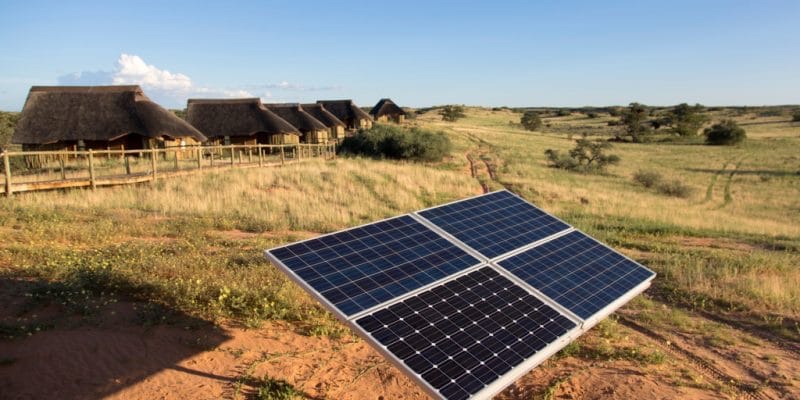
As we previously highlighted, Renewvia has been extremely intentional about their expansion into the Sub-Saharan region, churning out major projects in Nigeria, Kenya, Ethiopia and the DRC et al.
Some of the work they have done includes:
Kalobeyei Refugee Settlement, Kenya
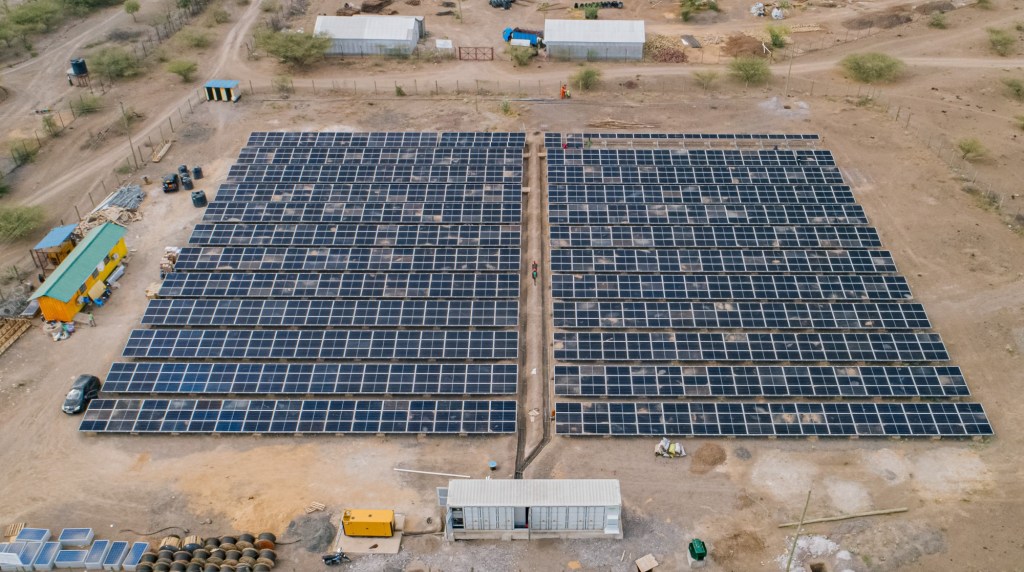
Kalobeyei Refugee Settlement, also known as Kalobeyei Integrated Settlement, is a refugee camp located in Turkana County, Kenya. The settlement was established in 2015 to accommodate the growing number of South Sudanese refugees who fled their country due to the conflict that broke out in December 2013. By virtue of Kalobeyei being a human settlement, there is an obvious need for energy and power, more so considering the vulnerable nature of the it’s inhabitants. Recognizing this need, Renewvia commissioned a solar minigrid to serve Village One in September of 2019, which is currently providing electricity at an affordable cost to nearly 500 households, schools, businesses, institutions, and places of worship. Renewvia expanded the size of the mini grid in 2022, increasing it’s size nearly ten fold and completing the largest minigrid in East Africa. This minigrid now connects nearly 2500 members of the community to power around the settlement.
Oloibiri, Bayelsa, Nigeria
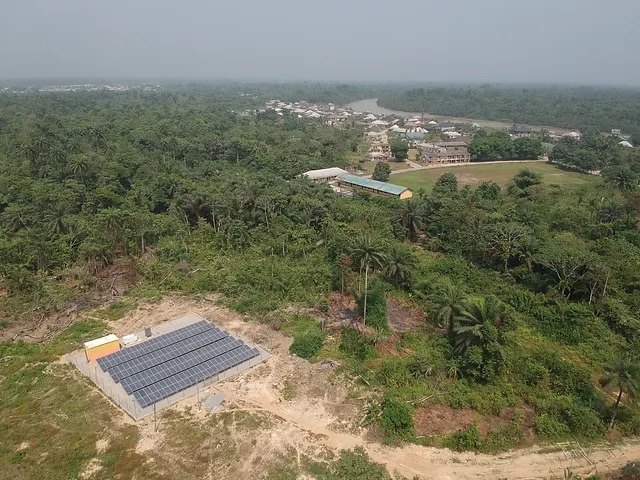
Oloibiri, a historic site where petroleum was first discovered in Nigeria, now hosts a solar and battery microgrid. Commissioned in 2020, this minigrid powers 160 households, businesses, schools, and churches. It is pivotal in energizing the Oloibiri Health for Life Medical Center, enhancing healthcare delivery in the region.
Ngurunit, Marsabit, Kenya
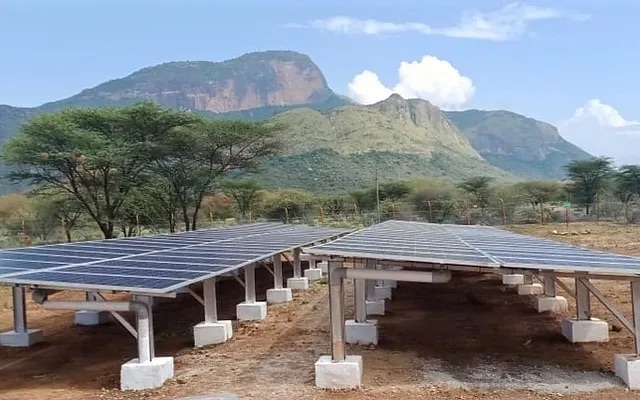
In January 2020, Ngurunit’s 5,000 residents gained access to clean, reliable power through Renewvia’s solar minigrid. This project connects 200 households, businesses, schools, and churches, with the potential for future expansion as energy needs grow.
Ndeda, Siaya, Kenya
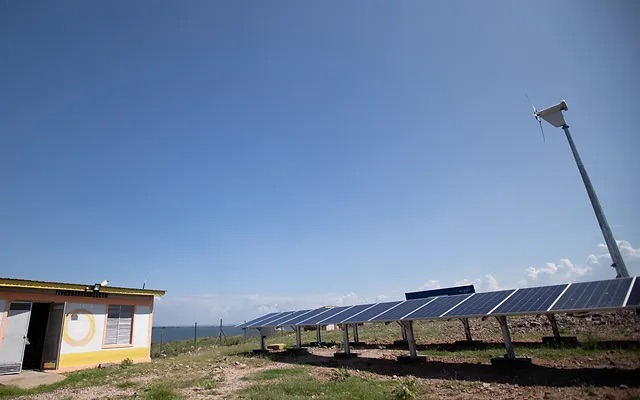
The Ndeda Island project, commissioned in 2018, utilizes both solar and wind energy. With a 6 kW wind turbine complementing the solar system, this initiative ensures continuous power supply, even during high consumption periods. The project has revolutionized energy access for the island’s residents.
Akipelai, Bayelsa, Nigeria
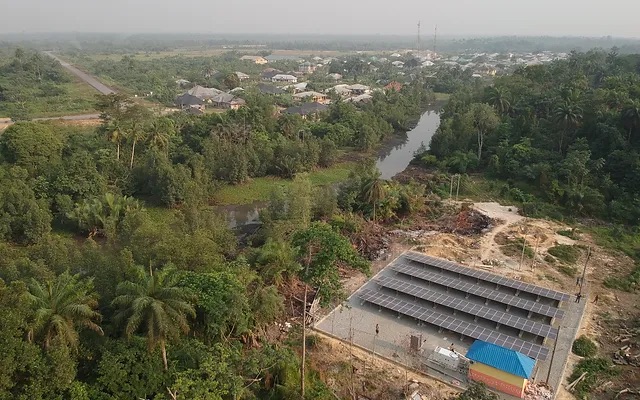
Akipelai’s solar minigrid, launched in 2020, connects over 250 households and businesses. The inclusion of lithium-ion battery storage ensures reliable power, supporting economic activities without imposing financial burdens on the community.
Kagintan Kori, Turkana, Kenya
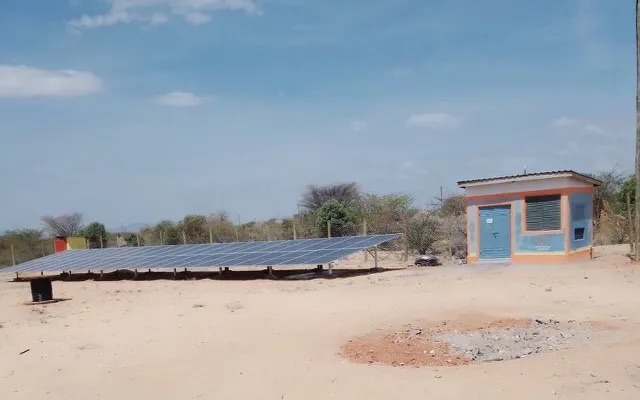
Renewvia’s minigrid in Kagintan Kori, completed in 2021, serves nearly 800 community members. This project supports agricultural, beekeeping, and livestock rearing activities, driving economic development in the region.
Nakukulas, Turkana, Kenya
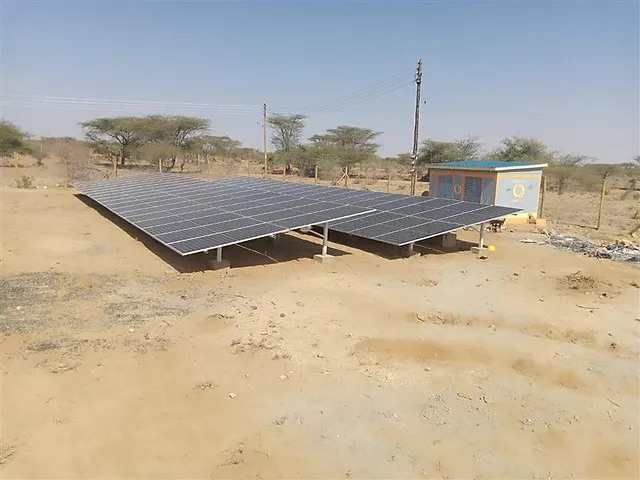
In 2021, Nakukulas saw the completion of a minigrid project that provides power to schools, health centers, and police posts. This initiative connects 1,400 people, significantly enhancing community infrastructure and services.
Locheremoit, Turkana, Kenya
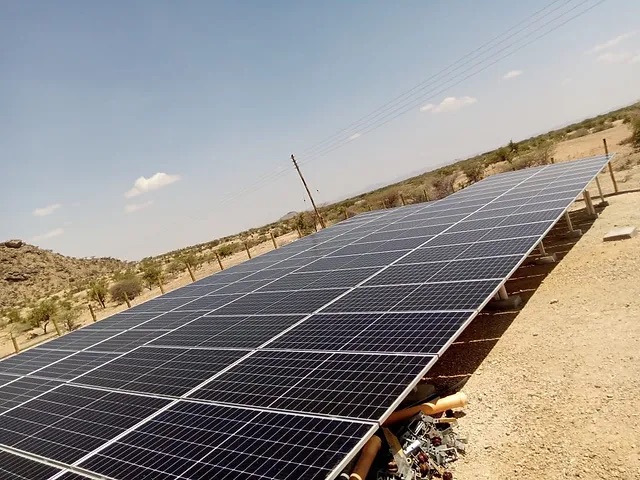
Located along an under-construction highway, Locheremoit benefits from Renewvia’s minigrid, which serves households, businesses, schools, and health centers. This project supports the growing community amidst increasing regional development.
Lorengelup, Turkana, Kenya
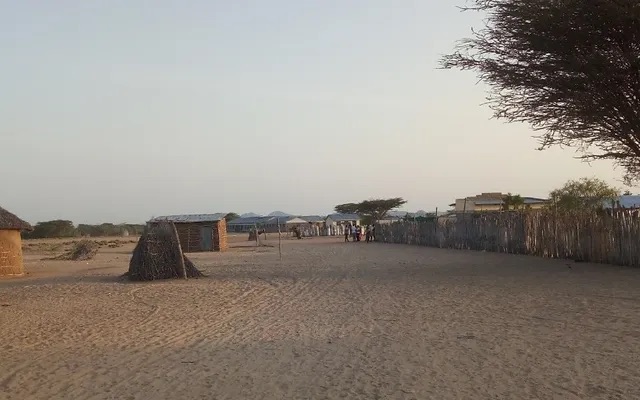
In 2021, Renewvia commissioned a minigrid in Lorengelup, supporting local industries such as charcoal production and weaving. This project enhances the quality of life and economic prospects for the community.
Ozuzu, Cross River, Nigeria
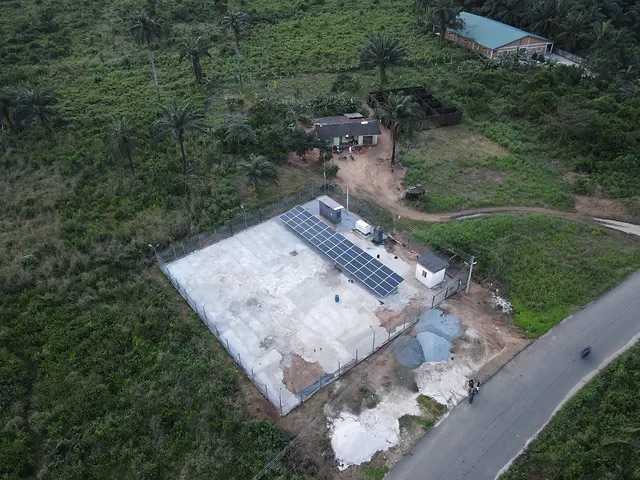
In 2021, Ozuzu saw the commissioning of a Mini grid that powers 250 households and businesses. This project has enabled the establishment of a commercial cooling business and supports ongoing economic growth in the community.
A Holistic Approach to Renewable energy
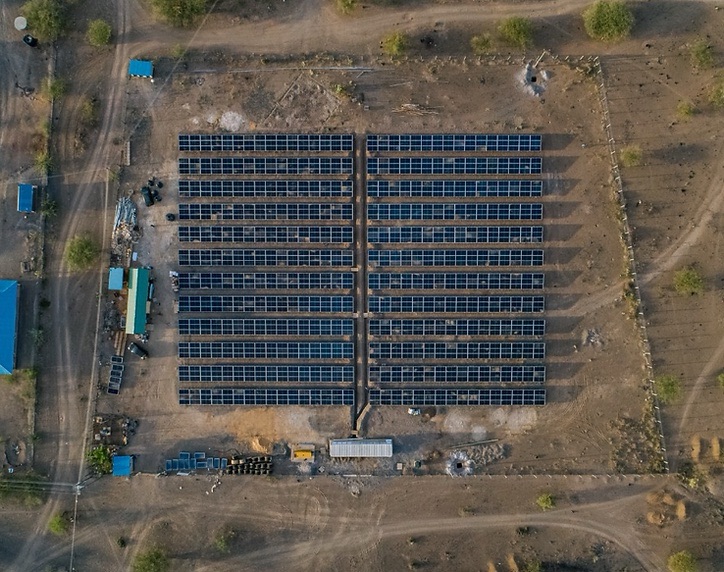
Renewvia Energy’s extensive portfolio of projects across Africa highlights the company’s commitment to delivering sustainable and transformative energy solutions. By leveraging solar power, Renewvia is driving economic development, improving living conditions, and fostering resilience in communities across the continent.
Citing his research paper titled “Social and economic impact analysis of solar mini-grids in rural Africa: a cohort study from Kenya and Nigeria” conducted in 2023, Dr. Selby was able to give as an insight as to how the standard of living in the Sub-Saharan region has improved since Renewvia’s arrival. The study analysed 5 primary KPIs: Gender equality, health, safety, economic activity and productivity. The study found that household income had quadrupled, female employment increased nearly 17% with communities seeing massive increases in school enrolment and massive reductions in the reported use of dirty fuels.
Take a look at the study for a more detailed insight into Renewvia’s impact: CLICK HERE
The value that Renewvia has brought to Africa cannot be overstated. The improvements on people’s livelihoods are obvious and the future has never been brighter. Selby, Jarrad and their superstar team of engineers and innovators are lighting up Africa’s tomorrow one solar panel at a time. According to them, they’ve only just begun, with Selby citing numerous other initiatives they have planned, including a Carbon-asset program of which they have already sold $100,000 worth of assets through and are gunning for a massive $2 million target.
Their innovative approach to harnessing renewable energy is not just a technological triumph but a socio-economic revolution, transforming lives and fostering sustainable development across the continent. Their Afro-centric approach to recruitment has directly created employment for countless qualified and competent African minds who contribute to the future of their home with Renewvia’s Africa based team consisting of only two non-African employees. One of which is Dr Selby.
A better Tomorrow, Today
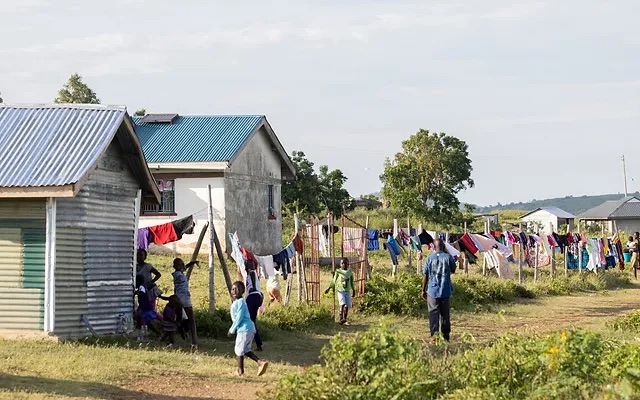
The profound impact of Renewvia’s work is vividly captured through the lens of communities previously marooned in energy poverty. From the refugee settlement in Kalobeyei to the remote islands of Lake Victoria, and the industrious villages of Nigeria, the company’s solar minigrids are powering a brighter future. These projects are not merely supplying electricity; they are fueling economic growth, improving health outcomes, and expanding educational opportunities.
Dr. Nicholas Selby, with his remarkable blend of academic prowess and practical expertise, epitomizes the driving force behind Renewvia’s success. His research, combined with the real-world outcomes seen across Renewvia’s projects, underscores a narrative of resilience and innovation. The significant strides made in gender equality, economic productivity, and environmental sustainability are testament to the transformative potential of renewable energy when coupled with visionary leadership and strategic investment.
The numbers speak volumes. A quadrupling of household incomes, a surge in female employment, and a dramatic decrease in the use of harmful fuels reveal the multifaceted benefits of Renewvia’s initiatives. These achievements, meticulously documented in Selby’s cohort study, provide compelling evidence of the far-reaching impact of sustainable energy solutions.
As Renewvia continues to expand its footprint across Africa, the company’s commitment to a greener, more equitable future is unwavering. Their ambitious plans reflect a forward-thinking approach that aligns economic incentives with environmental stewardship.
In a world grappling with the dire consequences of climate change and energy inequality, Renewvia Energy’s work stands as a beacon of hope and a blueprint for sustainable progress. Their journey is a testament to the power of innovative thinking and collaborative action in tackling some of the most pressing challenges of our time. As they illuminate Africa’s future, one community at a time, they remind us that a sustainable, prosperous, and equitable world is within our reach. The story of Renewvia Energy is not just a tale of technological advancement; it is a narrative of human ingenuity, resilience, and the unwavering pursuit of a better tomorrow.

 The San African