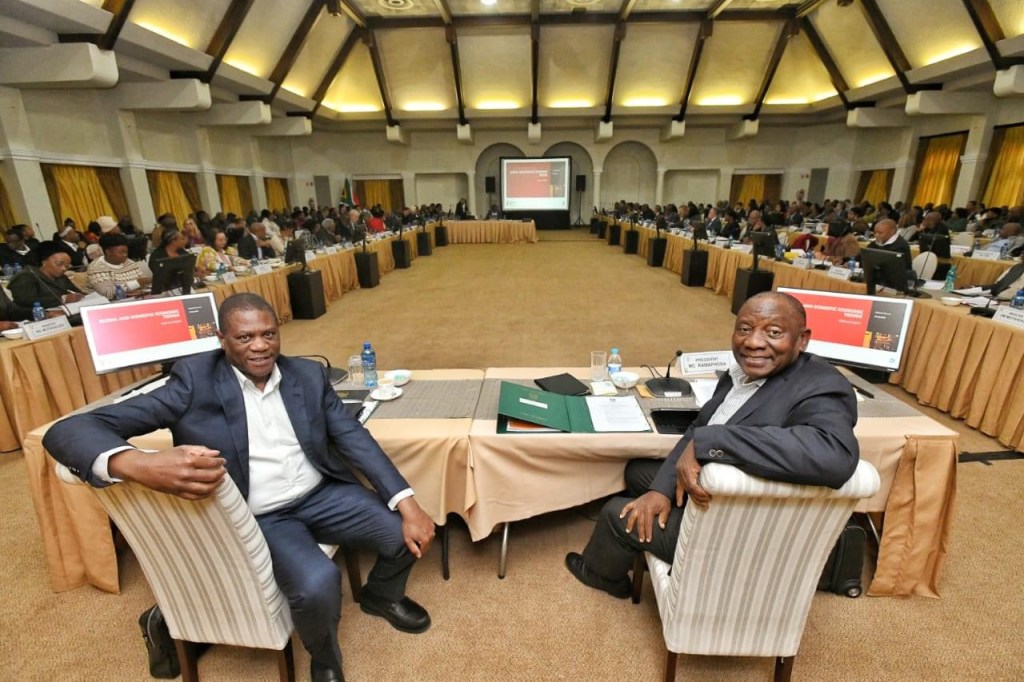
After the May elections, South Africa has experienced a deep dissonance. This dissonance is deeply embedded in both government and opposition. In 3 months, many things have happened that have carried a deep political potency.
After the establishment of the supposed Government of National Unity, we have seen many cracks within this supposedly “United” government. It seems that non-ANC members of cabinet are on a mission to expose government rot, and by extension ANC rot.
The latest of these has been the allegations by the Minister of Agriculture and DA Federal Leader, Hon. John Steenhuisen. He alleges a R500 million deficit in the department. This has caused a public brawl between him and the former minister, Speaker Thoko Didiza. One is tempted to think there is a deeply rooted, understandably so, dissonance in government. Allegations have been thrown around that this is not a government of national unity – it is a grand coalition.
While it is tempting to only see the cracks in government, it is intriguing to watch opposition politics.
Floyd Shivambu has left the Economic Freedom Fighters in a massive move to the uMkhonto weSizwe party. I do not want to discuss the intricacies of the EFF split, yet I cannot help but admit that while the mass exodus has not yet happened, we cannot deny the presence of a dark cloud over the EFF at the moment.
Shivambu’s move to the MKP is in part to build MKP’s cadreship, its political education, its structures, and its ideology. Yet, there is one point rich in revolutionary undertones that this writer cannot ignore: The possible consolidation of left-wing forces for a United Progressive Front.
Shivambu’s move may be a precursor to uniting the left in South Africa and presenting an undivided alternative to the GNU and its member-parties, which bring it to a centre, centre-right position.
Going towards the local government elections, it seems that all parties have begun full throttle campaigns in one form or the other. It will be interesting to watch what happens to each party. Maybe we will begin to see mass realignments of parties, affiliations, and caucuses.
As EFF heads towards a National Conference, all eyes are on it. Shivambu’s departure from the party has created tension within the party. Malema has consolidated power and is conducting a assessments of EFF structures and systems. There is a toss up. Who will be Deputy President? Will it be Ndlozi? Will the current Secretary General seek that position? Will the mass exodus still happen?
While all this is happening, South Africa bids farewell to her Chief Justice Raymond Zondo who facilitated the State Capture [Zondo] Commission and the historic ushering in of the GNU.
One thing to note is Botswana’s (and by extension SADC’s) position in this new dispensation. It seems Hon. Steenhuisen seeks to renegotiate the Botswana Vegetable Import Ban. While this is in itself not worrisome, it causes one to ask where Botswana stands as a diplomatic and trade associate for the DA and the GNU.
Furthermore, is Botswana ready for a possibly hung-Parliament? With the struggles observed in her neighbouring country, could a hung Parliament destabilize government and its functions? Does Botswana have the right political and social infrastructure to ensure stability and progress in such a scenario?
While power is still being consolidated, it is intriguing to watch the chess pieces move. All I know, is that it’s a long walk to the local government elections (which will probably determine how things move towards the next general elections).
Unlike the often fragmented and clinical paradigms of modern mental health, African approaches intertwine with cultural narratives, ritualistic healing, and a profound respect for the interconnectedness of body, mind, and spirit. This article explores how Africa’s ancient traditions offer a holistic and integrative path to mental health, reflecting a worldview where healing is both a personal journey and a communal endeavor.
In order to get an insight into the African approach to holistic mental health, We must explore how communal support systems, such as extended family networks and local support groups, function as the backbone of mental wellbeing, providing a sense of belonging and shared responsibility. Additionally, we will examine the significance of personal integrity in African healing traditions, focusing on concepts like the Zulu principle of “Ubuntu” (Humanity to others) , and the holistic integration of mind, body, and spirit. By weaving together these elements, the article aims to showcase how African heritage offers a profound and integrative perspective on mental health, emphasizing the strength found in collective wisdom and individual authenticity.
Ubuntu
“There’s a sense in which ubuntu as a concept, and the African communitarian ethos, imposes a sense of moral obligation regarding your responsibility for others even before you think of yourself. You must, as the Russian critic Bakhtin would say, look into another person’s eyes and have that person return the gaze. When the gaze is returned, that recognition is what humanizes you.”
~James Ogude via ‘I Am Because We Are’: The African Philosophy of Ubuntu by Steve Paulson
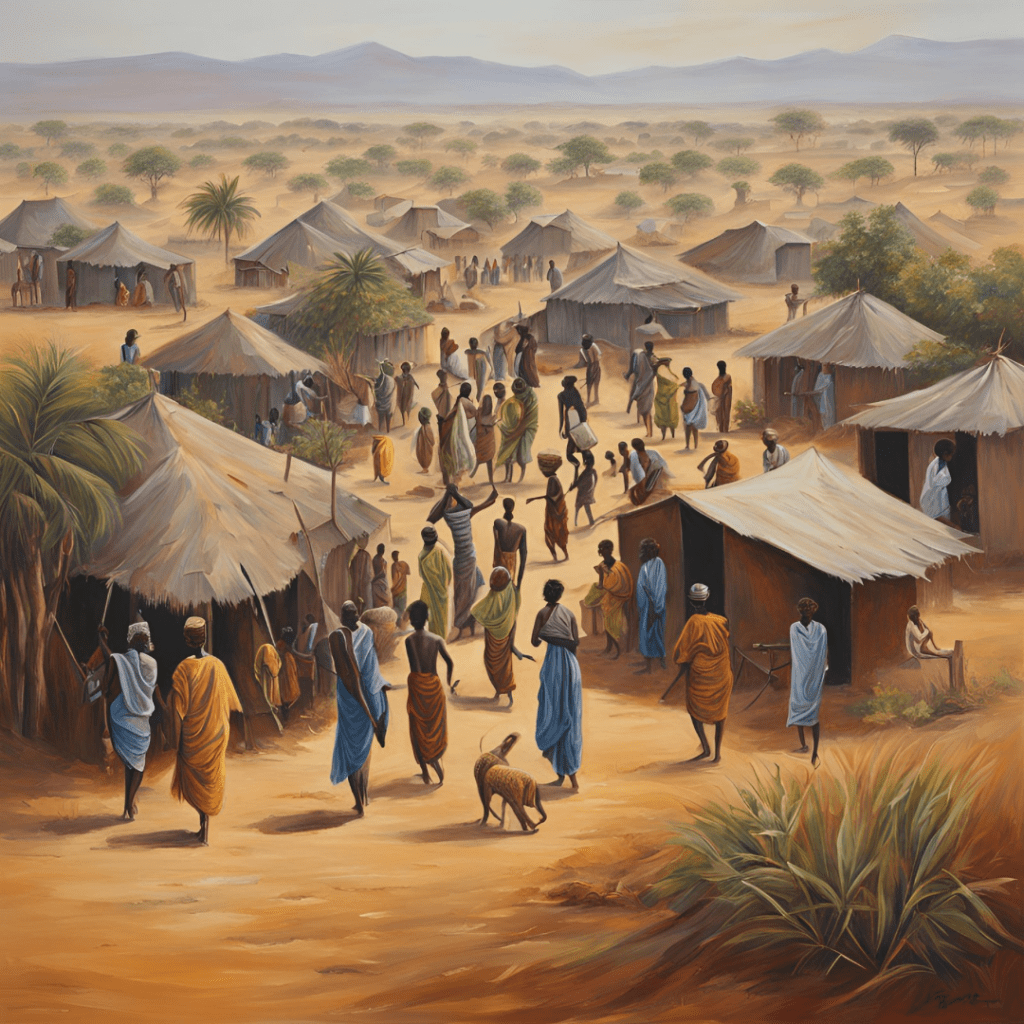
At the heart of most, if not all African traditions, lies a special emphasis on community and interconnectedness. It is commonly understood that it takes a village to raise a child and the Zulu and Xhosa people understood this concept very well.
Ubuntu emphasizes community interconnectedness, mutual care, and shared humanity. Phrases such as “Umuntu ngumuntu ngabantu” (I am because we are) or its Tswana counterpart “Motho ke motho ka batho” underlines the importance of social support and belonging, crucial for mental wellbeing. This concept manifests itself in many different ways within these communities. One can often see this in how those raised in African homes often joke about referring to family friends they have no blood relation to as their aunts, uncles, cousins or brothers.
The cornerstone of Zulu, Xhosa and Tswana societies among others lies in the family unit. The idea of the nuclear family is a very recent one in african communities. Traditionally, the extended family has been the pillar of African society. This broader family structure includes grandparents, aunts, uncles, cousins, and even close family friends, all living in close proximity and sharing responsibilities. The extended family system fosters a strong sense of community and support, ensuring that individuals are never isolated and that care, wisdom, and resources are collectively shared. This communal approach provides a robust safety net, promoting emotional and social wellbeing, and emphasizing the interconnectedness of all members within the community.
The special emphasis on transparency within these familial structures ensures that marital issues, interpersonal conflicts and even delinquency in youth can be dealt with swiftly.
African Spirituality
For centuries, African has been renowned for its rich culture, history and spirituality. This therefore means this would not be a true conversation on a holistic health if we did not explore the implications of spirituality and the diverse belief systems across the diaspora.
The Akan people of Ghana have, for centuries, practiced Nsamanfo veneration, seeking guidance and blessings from their ancestors. Similarly, the Igbo of Nigeria engage in Ila Oso to honor their ancestors. Despite the onset of western faith and religions, these tribes have managed to retain their unique spiritual belief systems, fostering a sense of continuity, identity, and spiritual support.
In addition to these practices, the Dagara people of Burkina Faso hold rituals such as Kombra, which are communal healing ceremonies that connect individuals to their ancestral spirits and the natural world. These ceremonies often involve music, dance, and drumming, creating a powerful collective experience that reinforces community bonds and personal resilience. By engaging in these spiritual practices, the Dagara and many other African communities maintain a holistic approach to wellbeing that integrates mental, emotional, and spiritual health, offering a profound sense of belonging and purpose.
The Stories We Live
Among the Griot traditions of the Mande people in West Africa, storytelling, known as Jaliyaa, is a powerful medium for transmitting values, wisdom, and coping mechanisms, fostering a strong sense of identity and communal support.Griots, or Jalis, are revered as the custodians of oral history, music, and poetry, embodying the collective memory of their communities. Through Jaliyaa, Griots transmit essential values, wisdom, and coping mechanisms that have been passed down through generations.
In a typical Jaliyaa session, a Griot narrates epic tales, historical events, and moral stories, often accompanied by the melodious sounds of traditional instruments like the kora or balafon. These narratives are not only educational but also therapeutic, providing listeners with insights into their heritage and identity. The stories often illustrate the resilience and resourcefulness of ancestors, offering models of behavior and strategies for overcoming adversity.
Furthermore, Jaliyaa fosters a strong sense of communal support. The storytelling sessions are communal gatherings where people come together to listen, reflect, and engage in dialogue. This shared experience strengthens social bonds, reinforces a collective identity, and creates a space for communal healing. In times of crisis or conflict, the Griot’s stories can offer solace, guidance, and a sense of continuity, reminding individuals that they are part of a larger, enduring community.
Through Jaliyaa, the Mande people preserve their cultural heritage and ensure that the lessons of the past remain relevant and accessible, promoting mental and emotional wellbeing by connecting individuals to their roots and to each other.
Unity in Healing
In embracing the rich tapestry of African traditions, we uncover a profound and integrative approach to mental health that transcends the often fragmented and clinical paradigms of modern medicine.
Beyond Ubuntu and communal support systems, African healing traditions encompass diverse elements that further enrich their holistic approach. Traditional healers, often referred to as sangomas or herbalists, play a pivotal role in diagnosing and treating ailments through spiritual and herbal remedies. These healers possess deep knowledge of natural medicine and the human psyche, offering personalized care that resonates with individuals’ cultural and spiritual beliefs.
Music and dance, integral to many African rituals, serve as powerful therapeutic tools. In cultures like the Shona of Zimbabwe, the mbira (thumb piano) is used in ceremonies to evoke ancestral spirits and facilitate emotional release. Dance, as seen in the Maasai jumping dances or the trance dances of the San people, allows for physical expression of emotion, fostering both individual and communal catharsis.
Furthermore, the philosophy of Sankofa from the Akan people of Ghana, which means “go back and get it,” emphasizes learning from the past to improve the future. This principle encourages individuals to draw strength and wisdom from their heritage, promoting a sense of continuity and resilience.
By weaving together these diverse elements, we gain a deeper understanding of how African traditions offer a holistic and integrative path to mental health. These practices underscore the importance of community, spirituality, and cultural continuity in fostering mental wellbeing.
As we close, let us remember the enduring wisdom of African heritage: “Umoja ni nguvu” – Unity is strength.
Charles Dickens, William Shakespeare, Fyodor Dostoevsky and Edgar Allan Poe. These are some of the most influential figures the world of literature has ever seen and consequentially, some of the most influential figures in cultural history. Metaphors shape the way we percieve our world. Our biases, beliefs and thoughts are all influenced by the lexical embelishments we consume every single day.
“Language is fossil poetry. As the limestone of the continent consists of infinite masses of the shells of animalcules, so language is made up of images, or tropes, which now, in their secondary use, have long ceased to remind us of their poetic origin.”
~Ralph Waldo Emerson, from the essay ‘The Poet’ (1844)
Metaphors, when used correctly, colour and decorate everyday language, creating imagery, emphasis and effect in ways previously impossible. Finding the right balance of lexical flavour, however, is no easy task. Should the metaphor be to far fetched, the audience will have a hard time grasping its meaning. On the opposite end of the spectrum, if the metaphor is too obvious or explicit, there is a risk of losing the effect and emphasis that was originally intended.
Due to their creative and beautiful nature, metaphors are generally more closely associated with artists, poets and writers. This association however comes with the implication of inferiority from those with a more analytical disposition. Philosiphers and scientists alike consider metaphors a waste of time as they believe the primary concern of their writing lies in content rather than presentation.
In his essay, Metaphors make the world, Benjamin Santos Gentas writes ,”By the second half of the 20th century, some academics (especially those of a psychological disposition) began turning this thought upside down: metaphors slowly went from being seen as improper-but-inevitable tools of language to essential infrastructure of our conceptual system.”
There was a newfound respect for metaphorical speech, spearheaded by figures like George Lakoff and Mark Johnson. Their book, ‘Metaphors we live by’ argued that a large majority of our conceptual systems consisted of metaphors. The foundations of our understanding are largely rooted in the physical environment; trees, bridges, rocks and animals. Things we can see, touch and percieve.
These foundational, physical-centered concepts then assist in bridging the gap in understanding for us when it comes to understanding more abstract concepts. We tend to draw parallels between said abstract concepts and ideas with their literal counterparts in order to make them easier to digest mentally.
“Time is a thief”- Time, a notoriously difficult concept to grasp is often compared to the more literal manifestation of a thief. The inference here is very clear in that time can take away moments, opportunities and people from us, similar to how a thief steals things we hold valuable. Without this analogy, it would be very difficult to verbally (and briefly) bring the point across.
Another analogy that can be seen in the writings of Lakeoff and Johnson is parallels drawn between an arguement and the concept of war. Arguements are geenrally ‘won’ or ‘lost’, points can often be ‘indefensible’ or contain ‘weak lines’.
“The novelty of Lakoff and Johnson’s proposal is not in noticing the ubiquity of metaphorical language but in emphasising that metaphors go beyond casual speech: ‘many of the things we do in arguing are partially structured by the concept of war.’ “
~Benjamin Santos Genta
To illustrate this, consider an alternative conceptual metaphor: ARGUMENT IS A DANCE. Unlike the combative nature of war, dancing embodies a harmonious and collaborative effort. Here, the objective of an argument shifts from a quest for victory to the creation of a graceful and enjoyable performance for both participants. Under this paradigm, the nature of argumentation transforms entirely, emphasizing cooperation and mutual satisfaction. This example underscores the profound influence of metaphors in shaping our reality, extending beyond mere representation to actively crafting our perceptions and interactions.
Now that we have safely established the role metaphors have in shaping our reality (rather than the other way round), we can explore the implications and consequences of this on our communities and societies.
Metaphors in Racial Dialogue
“Any speaker knows that the language we use matters, and that there is a complex feedback between the language we speak and the thoughts we think.”
The level of influence that metaphors have on our perceptions and beliefs systems consequentially means they will have an impact on how we percieve each other. More specifically how we percieve those we do not look like us, sound like us or dress like us.
Metaphors containing inherently racial conotations can be found, even in natively African dialects. In the setswana language, a person who is often highly respected; perhaps a superior officer or an incredibly competent individual, is often referred to as “Lekgoa” which translates to “White man”.
Harmless as this may seem, what implications does this choice of words have when it comes to the association of competence when it comes to both black and white communities? Is competence, leadership and respect an inherently ‘white’ set of characteristics? Phrases like this highlight the left overs of black inferiority and internalised racism that have trickled down from the colonial era.
Pivoting back over to the English language, phrases like “black sheep” or “blacklisted” or simply the general association of the colour black to negativity are also seemingly harmless phrases that may carry a more malicious undertone. “So lelik soos die nag” from the Afrikaans language which translates to “As ugly as the night” is also another example of a negative association to darkness. Though not as obvious as its English and Setswana counterparts, the parallels drawn still have the potential to create negative conceptual associations around darkness/dark colours.
Metaphors in racial dialogue reveal how deeply ingrained and pervasive biases can be, even in the most subtle turns of phrase. These linguistic choices, whether they arise from historical contexts or cultural idioms, shape our perceptions and reinforce stereotypes. When respect and competence are linguistically tied to “whiteness” in Setswana, or negativity is associated with “blackness” in English and Afrikaans, it perpetuates harmful notions of racial hierarchy and internalized racism. These seemingly innocuous expressions carry the weight of history and societal constructs, subtly influencing our subconscious beliefs about ourselves and others. Therefore, the words we choose matter profoundly, as they not only reflect but also shape the realities of racial perceptions and relations. Confronting and revising these metaphors is essential in dismantling the remnants of colonial thought and fostering a more equitable and inclusive world.
Metaphors in Gender and Sexism
Language is a potent force that not only mirrors society but also molds it. Nowhere is this more evident than in the metaphors that frame our understanding of gender and sexism. These linguistic constructs are more than mere expressions; they are the scaffolding of our collective consciousness, subtly shaping our perceptions of identity, power, and worth. As we delve into the metaphors that underpin gender dynamics, we uncover the often invisible threads that weave through our everyday language, perpetuating stereotypes and reinforcing societal norms. By examining these metaphors, we can begin to unravel the biases they encode, illuminating the path toward a more just and equitable discourse.
Every so often, you might that a woman’s hand in marriage has been “won” or something along the lines of “conquering the castle”. Another set of lexical embelishments that, at face value, may seem completely harmless but as we unpack them further, we come to realise how harmful they can really be in the space of gender dynamics.
Although “Winning her hand in marriage” may sound nobel, especially to the ears of the gentlemanly listener, what does it say about the lady’s autonomy and agency? Is her love something for the most competent player to posses? Is SHE an object for the most competent player to posses? Uses of language like this demonstrate the subtle objectification of the female child and reduces her to a conquest, prize or treasure to be won by the oh-so-noble knight in shinning armour.
Conversly, metaphors like “A meal ticket”, “A handyman husband” or “A stud” often ignore the complexities and full humanit of men, foxusing intead on specific aspects and functions. Does a man’s value lie in is exclusive ability to provide financially and physically? Does he decline in worth if he is unable to change a tire or fix a lightbulb? Is he less worthy of empathy than his conventionally attractive counterpart?
To take a step back and analyse the use of language from a big picture perspective, we can see the harmful effects of metaphors in the grand scheme of things and not just their effect on individual gender groups. Phrases like “The battle of the sexes” fram interactions between men and women as inherently advesarial. This may lead to a lack of productive discourse when during discourse about issues that affect both sets of stakeholders due to the conceptions planted in the minds of individuals that one group is an enemy to the other.
Other phrases like “Ball and chain” in reference to marriage and “Wearing the pants in the relationship” are more explicit fuels to the proverbial flame as they specifically aim to antagonise one group to the other.
The widespread influence of metaphors in shaping gender dynamics underscores a critical need for mindfulness in language. These linguistic constructs, while often employed casually or with benign intent, perpetuate deep-seated stereotypes and reinforce existing power structures. The imagery of “winning” a partner or “conquering” a relationship subtly enforces the notion that individuals, particularly women, are objects of possession rather than autonomous beings. This objectification reduces complex human experiences to simplistic roles and outcomes, further entrenching gender biases in societal consciousness.
Similarly, metaphors that reduce men to their functional roles, such as “meal ticket” or “handyman husband,” overlook the multifaceted nature of their identities and contributions. These expressions not only limit the perception of men to specific functions but also create a narrow framework through which their worth is evaluated. The impact of these linguistic patterns extends beyond individual interactions, as phrases framing gender relations as adversarial, such as “the battle of the sexes,” can undermine cooperative efforts and mutual understanding. By critically examining and challenging these metaphors, we can begin to dismantle the harmful narratives they perpetuate and foster a more inclusive and equitable dialogue.
What do the Statistics Say?
In a compelling study, participants were given a report on the escalating crime rate in a city, with each report framed by a different metaphor. One group encountered a report that described crime as “a virus ravaging the city,” while the other group received a report that portrayed crime as “a predator ravaging the city.” These contrasting metaphors guided participants to view crime through two distinct conceptual lenses: as a virus or as a predator. When tasked with proposing solutions, those influenced by the “predator” metaphor were far more likely to advocate for harsh, enforcement-oriented strategies, such as bolstering the police force and increasing incarceration—approaches akin to restraining a wild beast. In contrast, those primed with the “virus” metaphor favored preventative measures and public health strategies, such as containment, identifying root causes, and enacting social reforms.
Remarkably, participants were largely unaware of how these metaphorical framings shaped their solutions. When asked about their decision-making process, they attributed their recommendations to the crime statistics—unchanged for both groups—rather than recognizing the subtle yet profound influence of the metaphor. This study powerfully illustrates how metaphors, even when operating below the surface of conscious awareness, can decisively influence our approaches to complex issues like crime, guiding our strategies and shaping our societal responses.
The Metaphors we live
As we explore the profound influence of metaphors in shaping our understanding of gender, race, and beyond, it becomes evident that these linguistic tools are far from mere embellishments. Metaphors shape our perceptions of xenophobia, framing outsiders as “invaders” or “threats,” thus fueling divisive attitudes and impeding cross-cultural empathy. Similarly, in discussions about climate change, metaphors such as “the planet’s fever” or “a ticking time bomb” underscore the urgency and severity of environmental crises, yet they can also inadvertently evoke fear rather than fostering constructive dialogue and actionable solutions. These examples illustrate how metaphors not only reflect but also amplify our collective concerns and conflicts.
In the context of Africa, metaphors wield significant power, shaping both the continent’s narrative and its future trajectory. Phrases like “emerging markets” and “developing nations” can frame African countries as perpetually in a state of progress, yet they may also obscure the rich history and existing complexities of these societies. Conversely, metaphors portraying Africa as a “land of opportunity” or a “new frontier” can inspire investment and innovation, but they risk simplifying the diverse realities of its people. The way metaphors are employed in discussing Africa has the potential to influence perceptions globally, affecting policy, investment, and cultural exchange.
Ultimately, the metaphors we use are not just reflective of our world but instrumental in shaping it. By critically examining and revising our metaphorical language, we hold the power to reshape narratives and influence societal change. Whether addressing issues of race, gender, or environmental crises, or considering the implications for regions like Africa, a mindful approach to metaphors can either reinforce existing biases or pave the way for a more equitable and enlightened future. As we continue to navigate and redefine our world, let us remain aware of the metaphors we live by, understanding their profound impact on our collective consciousness and their potential to drive meaningful transformation.
“Scientists’ early analysis of 2023 data shows that emissions from fossil fuels rose 1.1% in 2023 compared to 2022 levels, bringing total fossil emissions in 2023 to 36.8 billion metric tons of carbon dioxide.” Says the NASA Earth Observatory.
Africa contributes to be about 4% of these emissions. That may seem like a small, insignificant figure until you realize that 4% of 36.8 billion is 1.472 billion metric tons. Well then how best can we visualize this? Consider the amount of CO2 that forests can typically absorb. An acre of forest can absorb about 2.5 metric tons of CO2 annually. Thus, it would take about 588.8 million acres of forest (roughly the size of Alaska) to absorb 1.472 billion metric tons of CO2 in a year.
We can therefore safely conclude that we indeed have a serious problem on our hands.
The pursuit of a sustainable alternative to our carbon-intensive energy infrastructure has long been a focal point of global discourse. This quest is particularly arduous in regions such as Africa, where access to energy—and infrastructure in general—is profoundly limited. The challenge is not merely technological or economic but deeply socio-economic, requiring solutions that address the unique needs and constraints of the continent.
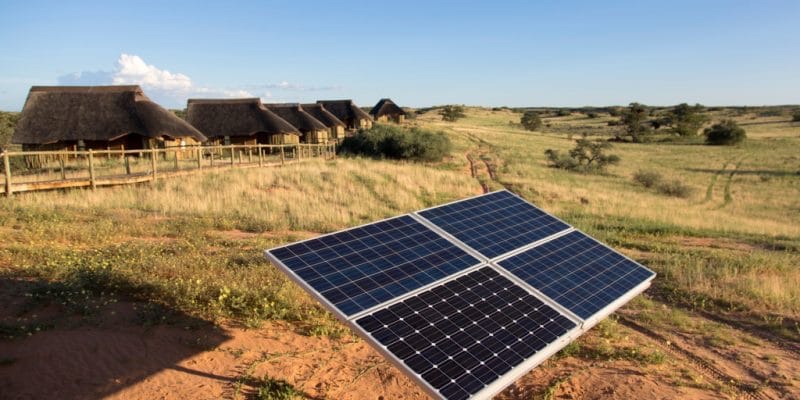
Renewable energy stands as a beacon of hope, offering a viable pathway to address energy poverty while mitigating the environmental impact of traditional energy sources. For Africa, which receives some of the highest solar irradiation levels globally, the potential for solar energy is immense. Yet, the transition to sustainable energy in such settings is fraught with obstacles, including financial constraints, limited technological expertise, and infrastructural deficiencies.
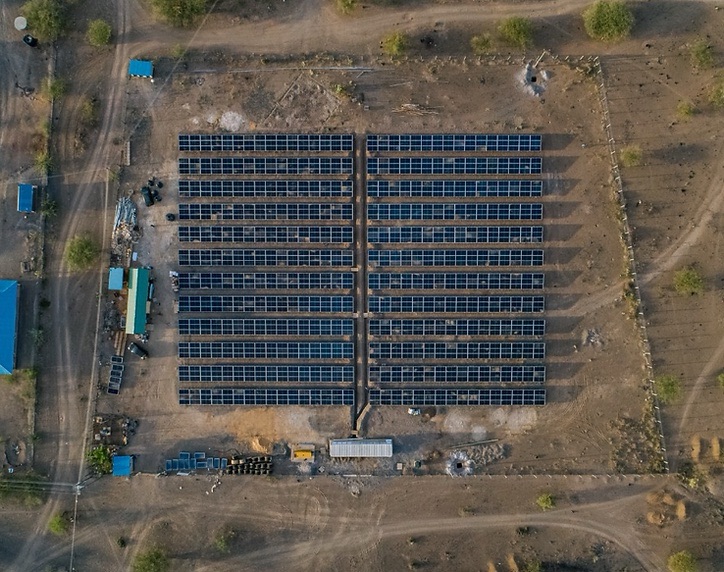
Amidst these challenges, industry-leading companies are making significant strides, demonstrating that innovation and determination can overcome even the most formidable barriers. Enter, Renewvia Energy, a U.S.-based firm that has established a robust presence in Kenya and throughout the entirety of sub-saharan Africa. Renewvia is pioneering efforts to harness solar power, thereby transforming the energy landscape and providing a model for sustainable development across the continent.
Renewvia Energy’s initiatives are not just about providing cleaner energy—they are about fostering economic growth, improving health outcomes, and enhancing educational opportunities by ensuring reliable electricity access. Their projects exemplify the transformative potential of renewable energy, highlighting how strategic investments and innovative technologies can address Africa’s unique energy challenges.
As we delve deeper into Renewvia Energy’s work, we will explore their current projects, the impact they are making, and their future plans. This examination will reveal how Renewvia is not only contributing to the renewable energy sector but also driving socio-economic progress in regions that need it most. Their journey underscores the critical role that visionary companies play in shaping a sustainable and equitable future.
Insights from An Industry Leader
Nicholas Selby, PhD
Last week, we had a sit down with Renewvia’s Vice President of Engineering in Kenya, Dr.Nicholas Selby. A trailblazer in his industry, Selby recieved his Bachelor of Science in Mechanical Engineering from Georgia Institute of Technology, going on to obtain a Master’s and a PhD from the esteemed, Massachusetts Institute of Technology (MIT) in Mechanical Engineering and in Electrical Engineering and Computer Science respectively all within 9 years.
Prior to working for Renewvia, Nicholas Selby worked on a plethora of research focused projects with experience in institutions like the NASA Jet Propulsion Laboratory, various departments of Georgia Tech’s research departments as well as stints at MIT’s research labs as well.
In addition to his comprehensive, encyclopedia of a CV, Selby has also recieved awards like Richard K. Whitehead Jr. Memorial award, The President’s Undergraduate Research award as well as featuring on the Forbes 30 under 30 list in 2023 et al.
Joining Renewvia in January 2022 as the Director of Engineering, Selby oversaw a large majority of their african operations, soon being promoted to VP of engineering in early 2024.
A Little About Renewvia
Fouded in 2008, Renewvia has designed, installed, owned and operated over 80 megawatts (MW) of power across the United States, Pacific Islands, South America and sub-Saharan Africa, expanding to the mother continent in 2016. The began operations, mainly in Kenya, specializing in solar minigrids and commercial installations and have since expanded to Nigeria and Ethiopia with operations in the Democratic Republic of Congo.
Trey Jarrad, CEO & Co-Founder of Renewvia
Spearheaded by CEO Trey Jarrad and Company President Erik Domescik, Renewvia has managed to raise north of US$15 Million in debt financing in partnership with Treehouse Development Finance, a leading financier of renewable energy projects and an affiliate of Treehouse Investments, for the development of a large-scale, 2 GW pipeline of solar and storage projects, consisting of 150-450MW in the TVA, MISO, and SERC regions in the United States.
Renewvia’s work in Africa
As we previously highlighted, Renewvia has been extremely intentional about their expansion into the Sub-Saharan region, churning out major projects in Nigeria, Kenya, Ethiopia and the DRC et al.
Some of the work they have done includes:
Kalobeyei Refugee Settlement, Kenya
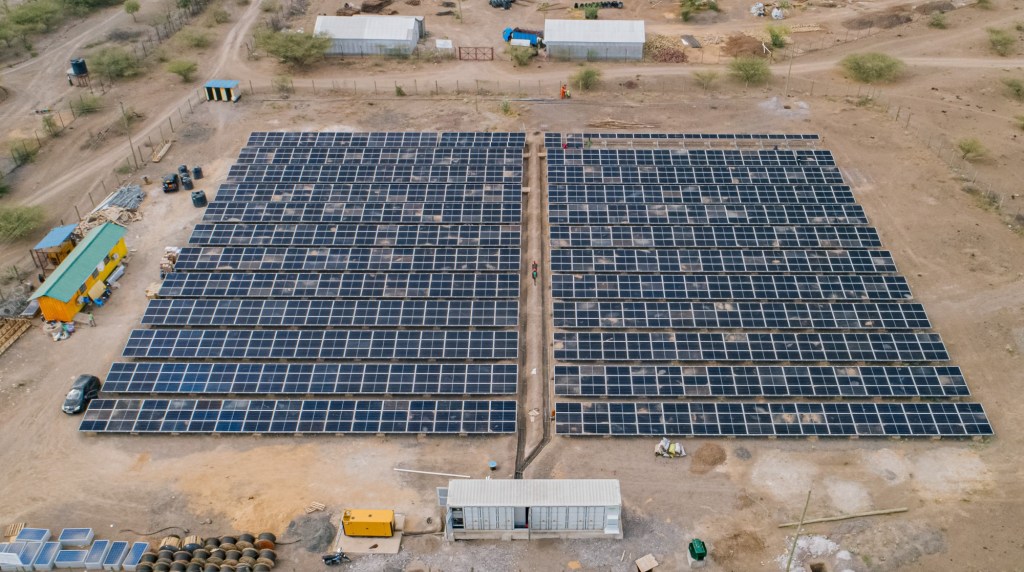
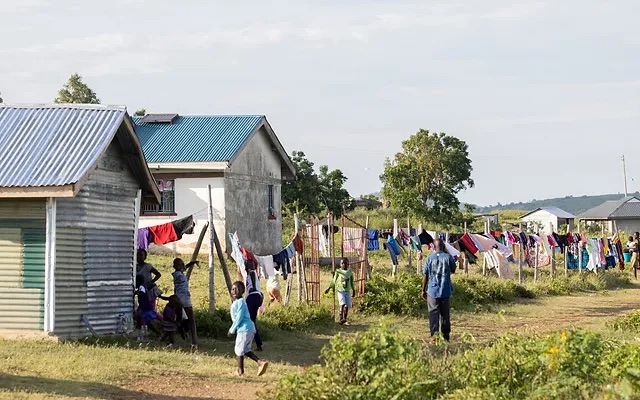
Kalobeyei Refugee Settlement, also known as Kalobeyei Integrated Settlement, is a refugee camp located in Turkana County, Kenya. The settlement was established in 2015 to accommodate the growing number of South Sudanese refugees who fled their country due to the conflict that broke out in December 2013. By virtue of Kalobeyei being a human settlement, there is an obvious need for energy and power, more so considering the vulnerable nature of the it’s inhabitants. Recognizing this need, Renewvia commissioned a solar minigrid to serve Village One in September of 2019, which is currently providing electricity at an affordable cost to nearly 500 households, schools, businesses, institutions, and places of worship. Renewvia expanded the size of the mini grid in 2022, increasing it’s size nearly ten fold and completing the largest minigrid in East Africa. This minigrid now connects nearly 2500 members of the community to power around the settlement.
Oloibiri, Bayelsa, Nigeria
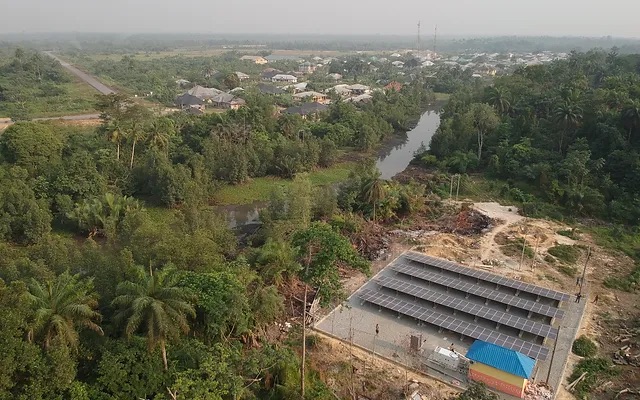
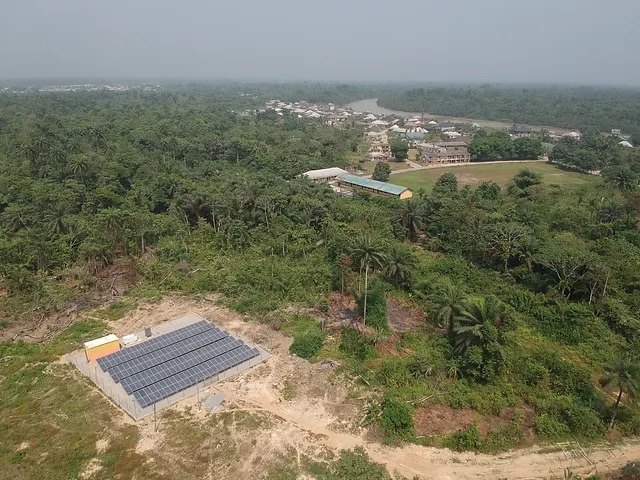
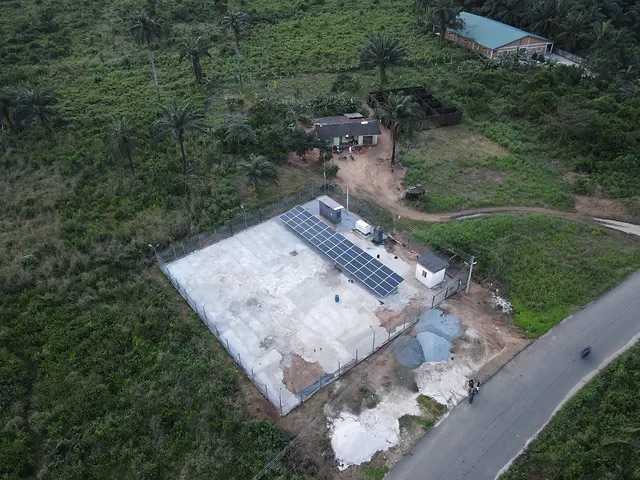
Oloibiri, a historic site where petroleum was first discovered in Nigeria, now hosts a solar and battery microgrid. Commissioned in 2020, this minigrid powers 160 households, businesses, schools, and churches. It is pivotal in energizing the Oloibiri Health for Life Medical Center, enhancing healthcare delivery in the region.
Ngurunit, Marsabit, Kenya
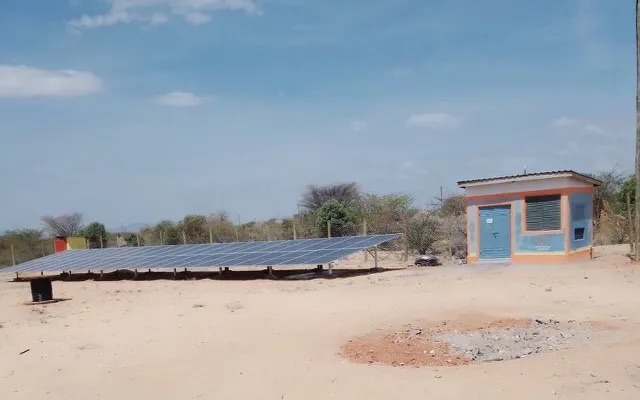
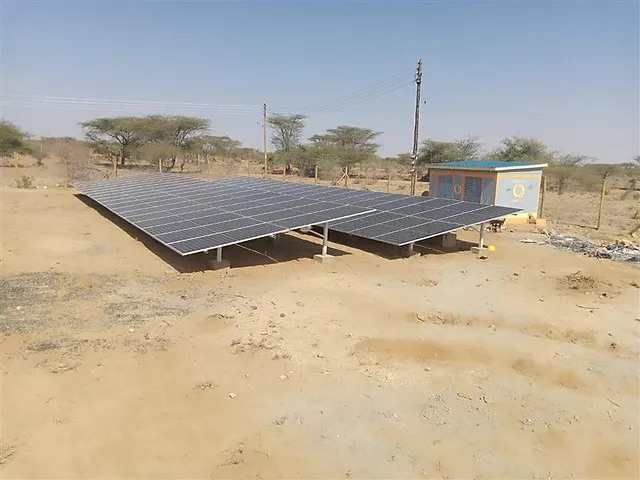
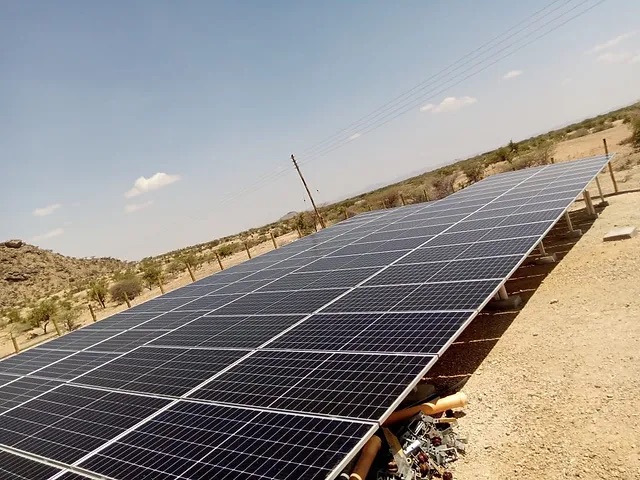
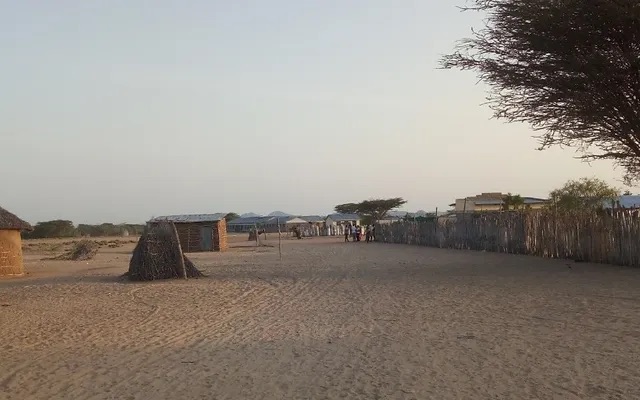
In January 2020, Ngurunit’s 5,000 residents gained access to clean, reliable power through Renewvia’s solar minigrid. This project connects 200 households, businesses, schools, and churches, with the potential for future expansion as energy needs grow.
Ndeda, Siaya, Kenya
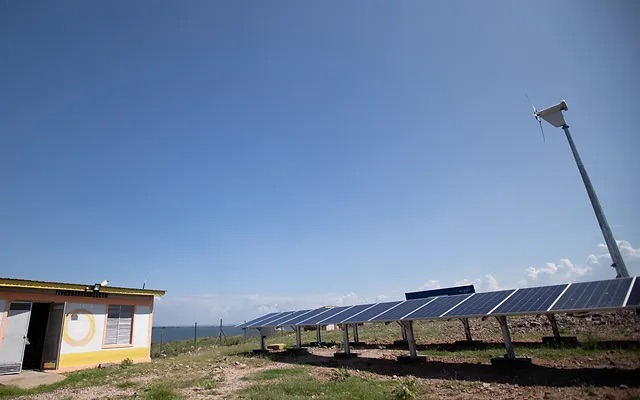
The Ndeda Island project, commissioned in 2018, utilizes both solar and wind energy. With a 6 kW wind turbine complementing the solar system, this initiative ensures continuous power supply, even during high consumption periods. The project has revolutionized energy access for the island’s residents.
Akipelai, Bayelsa, Nigeria
Akipelai’s solar minigrid, launched in 2020, connects over 250 households and businesses. The inclusion of lithium-ion battery storage ensures reliable power, supporting economic activities without imposing financial burdens on the community.
Kagintan Kori, Turkana, Kenya
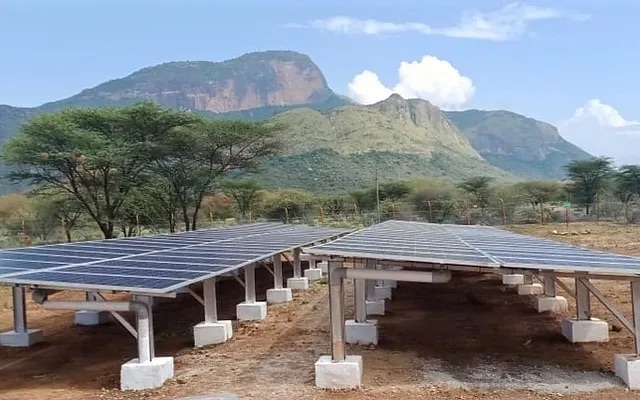
Renewvia’s minigrid in Kagintan Kori, completed in 2021, serves nearly 800 community members. This project supports agricultural, beekeeping, and livestock rearing activities, driving economic development in the region.
Nakukulas, Turkana, Kenya
In 2021, Nakukulas saw the completion of a minigrid project that provides power to schools, health centers, and police posts. This initiative connects 1,400 people, significantly enhancing community infrastructure and services.
Locheremoit, Turkana, Kenya
Located along an under-construction highway, Locheremoit benefits from Renewvia’s minigrid, which serves households, businesses, schools, and health centers. This project supports the growing community amidst increasing regional development.
Lorengelup, Turkana, Kenya
In 2021, Renewvia commissioned a minigrid in Lorengelup, supporting local industries such as charcoal production and weaving. This project enhances the quality of life and economic prospects for the community.
Ozuzu, Cross River, Nigeria
In 2021, Ozuzu saw the commissioning of a Mini grid that powers 250 households and businesses. This project has enabled the establishment of a commercial cooling business and supports ongoing economic growth in the community.
A Holistic Approach to Renewable energy
Renewvia Energy’s extensive portfolio of projects across Africa highlights the company’s commitment to delivering sustainable and transformative energy solutions. By leveraging solar power, Renewvia is driving economic development, improving living conditions, and fostering resilience in communities across the continent.
Citing his research paper titled “Social and economic impact analysis of solar mini-grids in rural Africa: a cohort study from Kenya and Nigeria” conducted in 2023, Dr. Selby was able to give as an insight as to how the standard of living in the Sub-Saharan region has improved since Renewvia’s arrival. The study analysed 5 primary KPIs: Gender equality, health, safety, economic activity and productivity. The study found that household income had quadrupled, female employment increased nearly 17% with communities seeing massive increases in school enrolment and massive reductions in the reported use of dirty fuels.
Take a look at the study for a more detailed insight into Renewvia’s impact: CLICK HERE
The value that Renewvia has brought to Africa cannot be overstated. The improvements on people’s livelihoods are obvious and the future has never been brighter. Selby, Jarrad and their superstar team of engineers and innovators are lighting up Africa’s tomorrow one solar panel at a time. According to them, they’ve only just begun, with Selby citing numerous other initiatives they have planned, including a Carbon-asset program of which they have already sold $100,000 worth of assets through and are gunning for a massive $2 million target.
Their innovative approach to harnessing renewable energy is not just a technological triumph but a socio-economic revolution, transforming lives and fostering sustainable development across the continent. Their Afro-centric approach to recruitment has directly created employment for countless qualified and competent African minds who contribute to the future of their home with Renewvia’s Africa based team consisting of only two non-African employees. One of which is Dr Selby.
A better Tomorrow, Today
The profound impact of Renewvia’s work is vividly captured through the lens of communities previously marooned in energy poverty. From the refugee settlement in Kalobeyei to the remote islands of Lake Victoria, and the industrious villages of Nigeria, the company’s solar minigrids are powering a brighter future. These projects are not merely supplying electricity; they are fueling economic growth, improving health outcomes, and expanding educational opportunities.
Dr. Nicholas Selby, with his remarkable blend of academic prowess and practical expertise, epitomizes the driving force behind Renewvia’s success. His research, combined with the real-world outcomes seen across Renewvia’s projects, underscores a narrative of resilience and innovation. The significant strides made in gender equality, economic productivity, and environmental sustainability are testament to the transformative potential of renewable energy when coupled with visionary leadership and strategic investment.
The numbers speak volumes. A quadrupling of household incomes, a surge in female employment, and a dramatic decrease in the use of harmful fuels reveal the multifaceted benefits of Renewvia’s initiatives. These achievements, meticulously documented in Selby’s cohort study, provide compelling evidence of the far-reaching impact of sustainable energy solutions.
As Renewvia continues to expand its footprint across Africa, the company’s commitment to a greener, more equitable future is unwavering. Their ambitious plans reflect a forward-thinking approach that aligns economic incentives with environmental stewardship.
In a world grappling with the dire consequences of climate change and energy inequality, Renewvia Energy’s work stands as a beacon of hope and a blueprint for sustainable progress. Their journey is a testament to the power of innovative thinking and collaborative action in tackling some of the most pressing challenges of our time. As they illuminate Africa’s future, one community at a time, they remind us that a sustainable, prosperous, and equitable world is within our reach. The story of Renewvia Energy is not just a tale of technological advancement; it is a narrative of human ingenuity, resilience, and the unwavering pursuit of a better tomorrow.
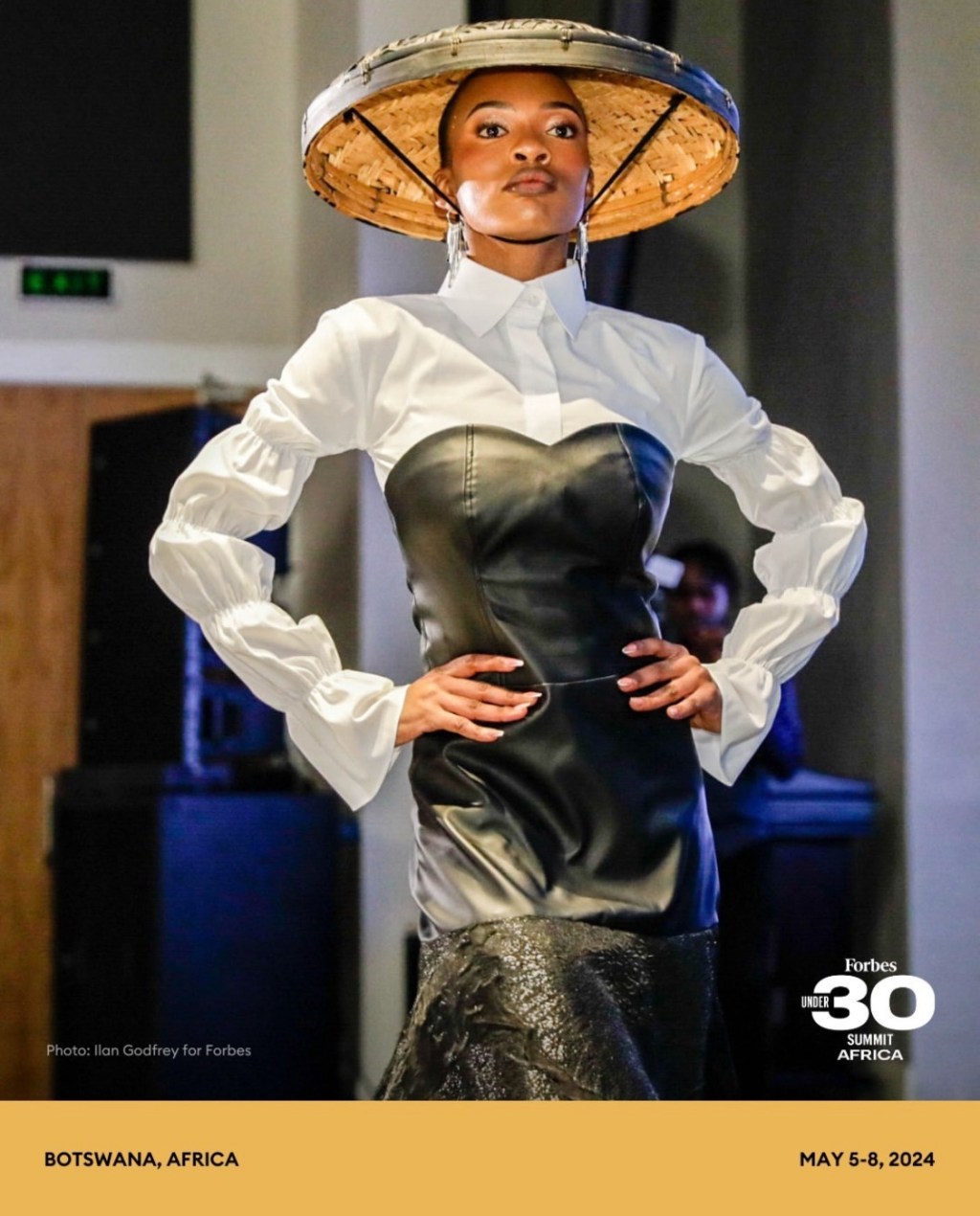
“Lights, camera, ACTION!” Botswana’s fashion scene is strutting into the global spotlight with the flair of a peacock in full display. Fresh off the heels of the Forbes Under 30 Summit, the buzz is palpable and the energy electric. Move over, zebras and elephants—the true stars here are the designers and trendsetters transforming every sidewalk into a catwalk. The show featured a plethora of talented designers from the Southern African region, the likes of which included Moitshepi Mokaila of “Indecisive”, Mboko Basiami from Glotto, Kanyo Molale from “Kanyo M Atelier” and Angolan designer Beatriz Franck showcasing her self titled brand on the runway.
The recent Forbes Under 30 event might have wrapped up, but its afterglow continues to illuminate the brilliance of Botswana’s style pioneers, the most brightly lit of which seems to be The Empire BW; the modeling agency that delivered the muses and ethereal guides that set the runway ablaze during the show.
Letlhogonolo “King” Dintwe, founder of The Empire BW during the 10 year anniversary of the company last year.
Founded in early 2013, The Empire BW is the oldest and most successful model management agency in Botswana. Mr. Dintwe, affectionately known as King Vanderbilt has built the company into an industry powerhouse, boasting a portfolio with campaigns from ‘Collections by BK Proctor’, ‘Mascom’, ‘Angel Enterprises’ and, most recently, Forbes Under 30.
Not only was the Fashion Dynamo one of the Under 30 Delegates, he was also the Creative mind behind the entire fashion show, bringing together the brilliance of the talented designers showcasing their pieces as well as the incredible collection of models that strutted their stuff for us last Monday.
Could this be a signifier of the growing fashion culture in Botswana? Perhaps one that could rival Japan or the United States?
In an exclusive interview with us, Moitshepi Mokaila, Founder of Indecisive (Botswana) had this to say about how Botswana can gain more acclaim and recognition on the international stage:
“We need to be very mindful about what international quality control looks like. We need to engage with people like BOBS (Botswana Bureau of Standards) but also above and beyond, make sure you are doing your own research to be adhering to international standards, knowing that something like Fashion hasn’t been something that has been heavily exported.”
Ms.Mokaila seems to carry a very optimistic but grounded outlook on the direction of the local fashion scene, highlighting issues like quality assuarance as being crucial to the development of the Botswana name on the international fashion scene.
Though Moitshepi carries an inherently positive attitude about the industry, one must not believe there exists no obstacles for her and other designers. “Finding like minded individuals…”, she said, when asked about some of the major challenges designers, including herself, face in the local fashion scene. According to the designer, having discernment about who you work with and in what seasons you work with them is crucial to navigating this issue.
The synergy between The Empire BW and designers like Moitshepi signals a burgeoning fashion culture in Botswana, one poised to make monumental strides. The energy and creativity emanating from this dynamic collaboration are palpable, hinting at a future brimming with potential and groundbreaking achievements.
As Botswana’s fashion scene continues to captivate the world with its vibrant and innovative spirit, the country’s designers and visionaries like Moitshepi Mokaila and Letlhogonolo “King” Dintwe are setting new benchmarks in creativity and quality. Their relentless pursuit of excellence and adherence to international standards signify a transformative era for Botswana’s fashion industry. This burgeoning movement, highlighted by the recent Forbes Under 30 Summit, not only underscores the immense potential within the Southern African region but also hints at a future where Botswana could stand shoulder to shoulder with the fashion capitals of the world.
Like a peacock in full display, Botswana’s fashion scene is strutting into the global spotlight, flaunting its unique blend of traditional elegance and contemporary flair. The dazzling efforts of agencies like The Empire BW and the inspired work of designers are crafting a narrative that blends cultural heritage with cutting-edge design. This commitment to quality assurance, as emphasized by Ms. Mokaila, ensures that Botswana’s creations not only meet but exceed global expectations.
In the grand tapestry of global fashion, Botswana is weaving its unique pattern—one that is rich with cultural heritage, brimming with innovative designs, and driven by a passionate community of creators. As the international spotlight shines ever brighter on this African jewel, the world watches with bated breath, ready to embrace the next big name in fashion that emerges from the heart of Botswana. The runway, it seems, is just the beginning. The peacock’s display, vivid and bold, mirrors the vibrant promise of Botswana’s fashion future, heralding an era where every step on the catwalk tells a story of creativity, resilience, and unparalleled beauty.




 The San African