Unlike the often fragmented and clinical paradigms of modern mental health, African approaches intertwine with cultural narratives, ritualistic healing, and a profound respect for the interconnectedness of body, mind, and spirit. This article explores how Africa’s ancient traditions offer a holistic and integrative path to mental health, reflecting a worldview where healing is both a personal journey and a communal endeavor.
In order to get an insight into the African approach to holistic mental health, We must explore how communal support systems, such as extended family networks and local support groups, function as the backbone of mental wellbeing, providing a sense of belonging and shared responsibility. Additionally, we will examine the significance of personal integrity in African healing traditions, focusing on concepts like the Zulu principle of “Ubuntu” (Humanity to others) , and the holistic integration of mind, body, and spirit. By weaving together these elements, the article aims to showcase how African heritage offers a profound and integrative perspective on mental health, emphasizing the strength found in collective wisdom and individual authenticity.
Ubuntu
“There’s a sense in which ubuntu as a concept, and the African communitarian ethos, imposes a sense of moral obligation regarding your responsibility for others even before you think of yourself. You must, as the Russian critic Bakhtin would say, look into another person’s eyes and have that person return the gaze. When the gaze is returned, that recognition is what humanizes you.”
~James Ogude via ‘I Am Because We Are’: The African Philosophy of Ubuntu by Steve Paulson
At the heart of most, if not all African traditions, lies a special emphasis on community and interconnectedness. It is commonly understood that it takes a village to raise a child and the Zulu and Xhosa people understood this concept very well.
Ubuntu emphasizes community interconnectedness, mutual care, and shared humanity. Phrases such as “Umuntu ngumuntu ngabantu” (I am because we are) or its Tswana counterpart “Motho ke motho ka batho” underlines the importance of social support and belonging, crucial for mental wellbeing. This concept manifests itself in many different ways within these communities. One can often see this in how those raised in African homes often joke about referring to family friends they have no blood relation to as their aunts, uncles, cousins or brothers.
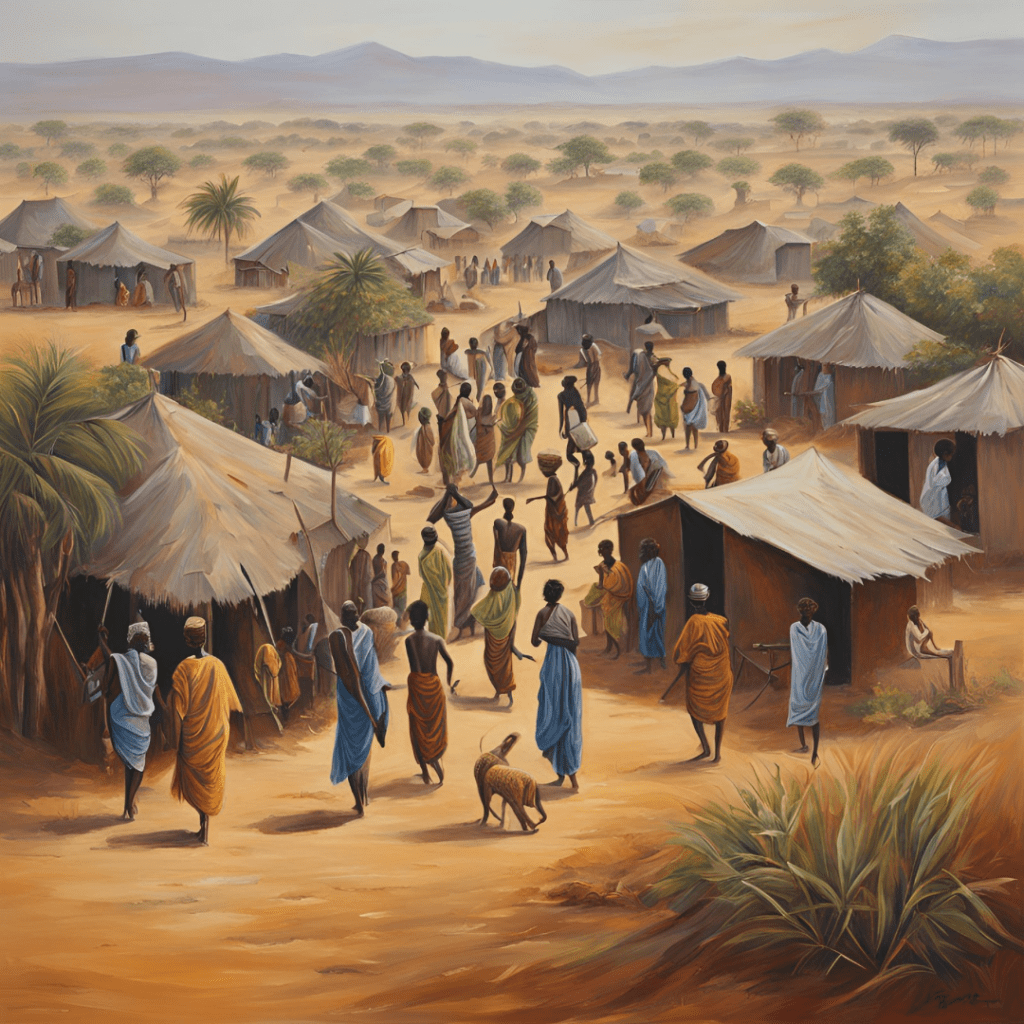
The cornerstone of Zulu, Xhosa and Tswana societies among others lies in the family unit. The idea of the nuclear family is a very recent one in african communities. Traditionally, the extended family has been the pillar of African society. This broader family structure includes grandparents, aunts, uncles, cousins, and even close family friends, all living in close proximity and sharing responsibilities. The extended family system fosters a strong sense of community and support, ensuring that individuals are never isolated and that care, wisdom, and resources are collectively shared. This communal approach provides a robust safety net, promoting emotional and social wellbeing, and emphasizing the interconnectedness of all members within the community.
The special emphasis on transparency within these familial structures ensures that marital issues, interpersonal conflicts and even delinquency in youth can be dealt with swiftly.
African Spirituality
For centuries, African has been renowned for its rich culture, history and spirituality. This therefore means this would not be a true conversation on a holistic health if we did not explore the implications of spirituality and the diverse belief systems across the diaspora.
The Akan people of Ghana have, for centuries, practiced Nsamanfo veneration, seeking guidance and blessings from their ancestors. Similarly, the Igbo of Nigeria engage in Ila Oso to honor their ancestors. Despite the onset of western faith and religions, these tribes have managed to retain their unique spiritual belief systems, fostering a sense of continuity, identity, and spiritual support.
In addition to these practices, the Dagara people of Burkina Faso hold rituals such as Kombra, which are communal healing ceremonies that connect individuals to their ancestral spirits and the natural world. These ceremonies often involve music, dance, and drumming, creating a powerful collective experience that reinforces community bonds and personal resilience. By engaging in these spiritual practices, the Dagara and many other African communities maintain a holistic approach to wellbeing that integrates mental, emotional, and spiritual health, offering a profound sense of belonging and purpose.
The Stories We Live
Among the Griot traditions of the Mande people in West Africa, storytelling, known as Jaliyaa, is a powerful medium for transmitting values, wisdom, and coping mechanisms, fostering a strong sense of identity and communal support.Griots, or Jalis, are revered as the custodians of oral history, music, and poetry, embodying the collective memory of their communities. Through Jaliyaa, Griots transmit essential values, wisdom, and coping mechanisms that have been passed down through generations.
In a typical Jaliyaa session, a Griot narrates epic tales, historical events, and moral stories, often accompanied by the melodious sounds of traditional instruments like the kora or balafon. These narratives are not only educational but also therapeutic, providing listeners with insights into their heritage and identity. The stories often illustrate the resilience and resourcefulness of ancestors, offering models of behavior and strategies for overcoming adversity.
Furthermore, Jaliyaa fosters a strong sense of communal support. The storytelling sessions are communal gatherings where people come together to listen, reflect, and engage in dialogue. This shared experience strengthens social bonds, reinforces a collective identity, and creates a space for communal healing. In times of crisis or conflict, the Griot’s stories can offer solace, guidance, and a sense of continuity, reminding individuals that they are part of a larger, enduring community.
Through Jaliyaa, the Mande people preserve their cultural heritage and ensure that the lessons of the past remain relevant and accessible, promoting mental and emotional wellbeing by connecting individuals to their roots and to each other.
Unity in Healing
In embracing the rich tapestry of African traditions, we uncover a profound and integrative approach to mental health that transcends the often fragmented and clinical paradigms of modern medicine.
Beyond Ubuntu and communal support systems, African healing traditions encompass diverse elements that further enrich their holistic approach. Traditional healers, often referred to as sangomas or herbalists, play a pivotal role in diagnosing and treating ailments through spiritual and herbal remedies. These healers possess deep knowledge of natural medicine and the human psyche, offering personalized care that resonates with individuals’ cultural and spiritual beliefs.
Music and dance, integral to many African rituals, serve as powerful therapeutic tools. In cultures like the Shona of Zimbabwe, the mbira (thumb piano) is used in ceremonies to evoke ancestral spirits and facilitate emotional release. Dance, as seen in the Maasai jumping dances or the trance dances of the San people, allows for physical expression of emotion, fostering both individual and communal catharsis.
Furthermore, the philosophy of Sankofa from the Akan people of Ghana, which means “go back and get it,” emphasizes learning from the past to improve the future. This principle encourages individuals to draw strength and wisdom from their heritage, promoting a sense of continuity and resilience.
By weaving together these diverse elements, we gain a deeper understanding of how African traditions offer a holistic and integrative path to mental health. These practices underscore the importance of community, spirituality, and cultural continuity in fostering mental wellbeing.
As we close, let us remember the enduring wisdom of African heritage: “Umoja ni nguvu” – Unity is strength.
Article References
- ‘I Am Because We Are’: The African Philosophy of Ubuntu
- The Ancient Craft of Jaliyaa




 The San African