Tag: news

  • Dead Aid, Dead Future: How Western Generosity Suffocates African Economies

    Dead Aid, Dead Future: How Western Generosity Suffocates African Economies

    by leruo monang

    “Aid has been, and continues to be, an unmitigated political, economic, and humanitarian disaster for most parts of the developing world.” Says Dambisa Moyo, award winning Zambian Economist and author of Dead Aid.

    Moyo’s assertion challenges the widely held belief that foreign aid is a panacea for the economic struggles of the developing world. Instead, she argues that aid fosters a cycle of dependency, weakens local institutions, and perpetuates corruption. By providing a steady stream of external funds, governments are often incentivized to prioritize donor interests over domestic needs. This dynamic stifles innovation, discourages accountability, and hinders the development of sustainable economic systems. Moreover, the influx of aid can distort markets, suppress local entrepreneurship, and foster a culture of reliance, ultimately undermining the very growth it seeks to stimulate.

    Critics of Moyo’s perspective, however, argue that aid, when strategically deployed, has the potential to address critical gaps in infrastructure, healthcare, and education. Success stories in countries that have used aid to improve literacy rates, combat diseases, and build essential infrastructure illustrate the nuanced role of foreign assistance. The real issue, they contend, lies in the implementation and governance of aid programs, rather than in the concept of aid itself. Moyo’s critique, while valid in many instances, calls for a reevaluation of aid frameworks to ensure they empower local economies and foster long-term self-reliance rather than perpetuate a cycle of dependency.

    These critiques however assume benevolance on the part of both the donor and the custodians of the donation. It is perhaps the world’s worst kept secret that Africa has, for decades, been subject to some of the worst corruption we have ever seen. Scandals around state capture, embezzlement, money laundering and government kickbacks have plagued the continent since time immemorial. Moyo argues that the cash-flow from foreign not only facilitates corruption but incentivizes it.

    The Proverbial Cookie Jar

    Imagine you are the President of a fictional African nation. We will call her Rimbabwe. Rimbabwe has just come off the back of a devastating battle for independence from British colonial rule. The towns are in ruins, the people are destitute and the economy is in tatters. Infrastructural developments need to happen but there is no money to finance them.

    Here comes the good Samaritan in the form of the World Bank, awarding you a relief loan of US$10 billion to rebuild. Keep in mind, Your Excellency, that there are no institutions to keep you accountable, no checks and balances to ensure the wise stewardship of these funds and no watch dogs breathing down your neck to prevent you from sticking your fingers in the cookie jar. Do you see where I am going with this?

    The allocation of large sums of money to nations with underdeveloped institutions, gaps in legislation and an absence of accountability fosters corruption and encourages politics of the stomach. Those that aspire to reach positions of power for the sole purpose of state capture and feeding their individual desires.

    The Fine Print: Ts and Cs of Foreign Aid

    Foreign aid is often presented as an altruistic gesture, a lifeline extended to nations in need. Yet, beneath this benevolent facade lies a complex web of geopolitical interests. For many donor countries, aid serves as a strategic tool to exert influence over the political landscapes of recipient nations. By attaching conditions to financial assistance, western powers have often leveraged aid to dictate policy directions, sway election outcomes, and suppress dissent. In this dynamic, the true beneficiaries of aid are not the impoverished citizens of the Global South but the geopolitical agendas of those in the Global North. Aid often becomes a conduit for political manipulation, entrenching foreign dominance in domestic affairs under the guise of generosity.

    Foreign aid is rarely given without conditions, and these conditions often infringe on the sovereignty of recipient nations. Whether through structural adjustment programs imposed by international financial institutions or bilateral agreements tied to political reforms, aid frequently requires recipients to align their policies with the interests of donor nations.

    These conditionalities can force governments to adopt measures that may be economically or socially detrimental, such as privatizing public services, cutting subsidies, or reducing public sector employment. While these policies might align with donor ideologies, they often disregard the specific needs and contexts of recipient nations, undermining their autonomy and the democratic will of their people.

    In the 1800s, colonial powers used guns, ships, and soldiers to seize control of Africa. Today, the tools have changed, but the intent remains strikingly similar. Predatory loans and grants, often laden with exploitative terms, have become the modern mechanisms of control. Aid, when used this way, is not a gift but a strategic instrument of neocolonialism, designed to maintain influence and economic dominance over African nations.

    Economic Dependency: The Hidden Cost of Aid

    Foreign aid often arrives with promises of development, yet it can inadvertently foster economic dependency. Many recipient nations come to rely on consistent inflows of external funding to balance budgets, finance public projects, or even meet basic needs. This dependency discourages governments from seeking sustainable, homegrown solutions to economic challenges. Over time, aid dependency erodes the incentive to develop resilient local industries or invest in revenue-generating sectors such as agriculture, manufacturing, and trade.

    The result is a vicious cycle: nations trapped in a perpetual state of reliance on external assistance, unable to achieve true financial independence. The stagnation of local economic innovation and entrepreneurship becomes a direct consequence of this reliance. Aid donors, meanwhile, gain leverage over the policy and fiscal decisions of recipient governments, further entrenching the imbalance of power. Without a shift toward self-sufficiency, the long-term economic health of these nations remains precarious.

    Aid Effectiveness and Waste: When Good Intentions Miss the Mark

    Aid programs are often plagued by inefficiencies and mismanagement, leading to outcomes far removed from their intended goals. Funds earmarked for essential services such as healthcare, education, or infrastructure are frequently lost to bureaucratic overheads, poorly designed projects, or corruption. In some cases, donor nations push for high-visibility projects that serve their public relations agendas but have minimal impact on local communities.

    Even when projects are well-intentioned, they often fail due to a lack of alignment with local needs or conditions. For instance, the construction of roads or hospitals may fall short without plans for maintenance or operational sustainability. Aid recipients, particularly in rural areas, are left with unusable infrastructure or services that cannot be sustained. Such waste underscores the need for greater accountability and collaboration in designing and implementing aid programs.

    Distortion of Local Economies: The Market Fallout

    Aid can inadvertently disrupt local economies by introducing external goods and services that undermine domestic industries. The donation of food aid, for example, often floods local markets with free or heavily subsidized imports, leaving local farmers unable to compete. Similarly, foreign aid tied to specific donor-country contractors or suppliers can exclude local businesses from participating in lucrative projects, stifling their growth.

    This market distortion discourages the development of local production capabilities and creates a dependency on external goods and expertise. Over time, it hollows out domestic economic resilience, leaving recipient nations more vulnerable to external shocks. Effective aid programs must prioritize building local capacity and supporting industries that contribute to long-term economic growth.

    Cultural and Social Impacts: Erosion of Local Identity

    Aid programs often come with an implicit imposition of foreign values and systems, leading to a disconnection between the intended goals of development and the realities of local communities. Western ideals embedded in education, governance, or health initiatives may clash with indigenous practices and traditions. This imposition can marginalize local knowledge and solutions, fostering a sense of alienation among the people aid is supposed to help.

    Moreover, the dependency fostered by aid can shift societal dynamics, creating hierarchies based on proximity to foreign funding or decision-making. Communities may become more focused on catering to donor expectations than addressing their own priorities. Respecting and integrating local cultural contexts is essential to ensuring that aid efforts empower rather than displace local communities.

    The Role of NGOs and Donor Agencies: Accountability Under Scrutiny

    Non-governmental organizations (NGOs) and donor agencies play a significant role in distributing aid, but their operations are not without criticism. Many NGOs operate with limited accountability, leading to questions about how funds are spent and whether their efforts align with the long-term development goals of recipient nations. Donor agencies, meanwhile, are often influenced by the political and economic agendas of their home countries, prioritizing projects that serve their interests rather than those of the communities they aim to help.

    Additionally, the presence of foreign NGOs can overshadow local civil society organizations, diverting resources and talent away from grassroots initiatives. For aid to be truly effective, it must support the growth of local institutions, ensuring that communities have the capacity to sustain development independently of external actors.

    Long-term Environmental Consequences: An Overlooked Cost

    Aid-driven development projects often overlook their environmental impacts, leading to unintended consequences for recipient nations. Infrastructure projects, such as roads, dams, or urban expansions, frequently disrupt ecosystems and displace communities without adequate mitigation plans. Similarly, agricultural aid programs that prioritize monoculture or high-yield crops can deplete soil fertility and exacerbate water scarcity.

    The environmental costs of such projects are often borne disproportionately by the poorest and most vulnerable communities. Sustainable aid practices must prioritize environmental resilience, integrating conservation and renewable energy solutions into development initiatives. By addressing these long-term consequences, aid programs can better align with the holistic needs of recipient nations.

    Alternatives to Traditional Aid: A Path Forward

    Rather than relying on traditional aid, fostering trade and investment may provide a more sustainable path for development. Encouraging regional trade partnerships and reducing barriers to market access can empower nations to grow their economies organically. Initiatives that prioritize skills transfer, entrepreneurship, and technology adoption can help create jobs and build local industries.

    Foreign direct investment (FDI) and public-private partnerships offer another avenue for sustainable development. Unlike aid, FDI often brings with it long-term commitments to local economies, including job creation and infrastructure development. By shifting the focus from aid to economic collaboration, nations can reduce dependency and build a future rooted in self-reliance and mutual prosperity.

    Be Critical: A call to action

    To quote American political scientist, adviser and academic (ironically), “The West won the world not by the superiority of its ideas or values or religion… but rather by its superiority in applying organized violence. Westerners often forget this fact; non-westerners never do.”

    They can no longer stab, shoot or kill us so their guns come wrapped in white envelopes and their knives signed by their treasurers. Be Critical, there is no such thing as a free meal.

  • And The Crowd Goes…

    And The Crowd Goes…

    In the court of politics, the people are the jury.

    This statement will prove prudent as the cascading words in this article unfold. 

    Sitting in the stands on that historic day was nothing short of awe-inspiring. Watching the seas of blue juxtapose the rivers of red that had flown for 58 years was a wonder. The birds sang a new song. The sun sat in the intimate embrace of rain clouds, waiting to announce the pleasure of the heavens. The day of the Inauguration of the 6th President of the Republic of Botswana, Advocate Duma Gideon Boko, was the epitome of democratic historicity.

    The people of Botswana left the polling booths with great conviction. The courts of social media, the voting lines, and the streets were filled with a common statement, “TLHOPHANG SENTLE.” For the sake of friends who may not know Setswana “VOTE WISELY”. These words spread like a wildfire, from the mouths of the elderly to the mouths of despondent young people. The consensus was that no one was to waste their vote. The silent revolution was underway.

    As if there was agreed-upon consensus, Batswana brought the Umbrella for Democratic Change to 36 seats in Parliament (giving them the mantle of Executive Power and Legislative majority for the next 5 years). Furthermore, in a horrendous turn of events, the Botswana Democratic Party (having been in power for since 1965/66) was brought down to only 4 seats in Parliament out of 61 elected seats (about 6.5% before an addition of 6 Specially Elected Members of Parliament).

    The jubilation that filled the streets of Botswana and the seats in the National Stadium highlighted a few sentiments. “A renewed hope is born”, “A new Botswana is in sight”, “The old is gone away”.

    As the new President, President Duma Gideon Boko, was carried around the stadium for the lap of victory, a wave of excitement roared through the stands of the stadium. HISTORY HAD BEEN MADE.

    Through the ballot, Batswana had managed to dislodge a long established dynasty. With great peace and calm, one party handed over government to another. It had never been seen, or done, in this our land.

    In the court of politics, the people are the jury.

    In the crowd, in a secluded section, were high profile dignitaries including representatives of Heads of States and Governments,  former Presidents Mogae, Khama, and immediate Former President Masisi.

    While I am intrigued by the interaction between the two most recent Former Presidents (considering their tumultuous relationship) I believe something more important pervaded: The public sentiment.

    As protocol dictates, dignitaries were introduced. It seemed that the Batswana in attendance were filled with great jubilation when the likes of His Excellency the President of Zambia, Mr Hakainde Hichilema, was introduced. Mr Julius Malema and Mr Mmusi Maimane also received thunderous applause. 

    It must be acknowledged that Mr Ndaba Gaolathe, the Vice President, received applause that could only be compared to hopeful sentimentality. 

    There are three particular characters who are of interest to me: Former President Khama, Former President Masisi, and President Mnangagwa of the Republic of Zimbabwe. I will address them in reverse.

    Many have been uncomfortable with the relationship between President Masisi (at the time) and President Mnangagwa. This “brotherhood” caused quite a stir for many. This discontent intensified with the Independent Electoral Commission of Botswana went on a benchmarking mission to Zimbabwe (which many alleged was a threat to fair elections. Allegations of “rigging” plans spread exponentially, causing many’s disdain towards President Mnangagwa to intensify. When his name was called, the crowd Booed with conviction.

    When President Masisi was introduced, the crowd booed with great passion. It seemed that the people had rejected the Former President through the ballot and in person. It seems that people had developed a great dislike for the person of the Former President, accounting for decreased Diamond production and revenue, a struggling economy, high unemployment, and more. 

    With Former President Khama, the crowd was filled with great jubilation. While this is contentious, many stood with Former President Khama during his tiff with then President Masisi. Many felt that the former President was unfairly treated. The two had mounted strong campaigns against each other. While many felt that the Khama presidency was troubled, many sustained support for him.

    While the goal of this article is not to assess the validity of the crowd’s cheers or boos, it is to address a debate. Is it right for the crowd to have booed?

    While Batswana hold “respect” to high regard, Motswana says “Mafoko a Kgotla a mantle otlhe.” While respect of the elders is necessary, Motswana also says “Susu ilela suswana gore suswana le ene a tle a go ilele.”

    This is the debate as it is. In finding and negotiating a balance between the two, possibly a topic for another article, one thing rings true:

    In the court of politics, the people are the jury.

  • Off The Grid: Renewvia’s Answer to Africa’s Clean Energy Needs

    Off The Grid: Renewvia’s Answer to Africa’s Clean Energy Needs

    “Scientists’ early analysis of 2023 data shows that emissions from fossil fuels rose 1.1% in 2023 compared to 2022 levels, bringing total fossil emissions in 2023 to 36.8 billion metric tons of carbon dioxide.” Says the NASA Earth Observatory.

    Africa contributes to be about 4% of these emissions. That may seem like a small, insignificant figure until you realize that 4% of 36.8 billion is 1.472 billion metric tons. Well then how best can we visualize this? Consider the amount of CO2 that forests can typically absorb. An acre of forest can absorb about 2.5 metric tons of CO2 annually. Thus, it would take about 588.8 million acres of forest (roughly the size of Alaska) to absorb 1.472 billion metric tons of CO2 in a year.

    We can therefore safely conclude that we indeed have a serious problem on our hands.

    The pursuit of a sustainable alternative to our carbon-intensive energy infrastructure has long been a focal point of global discourse. This quest is particularly arduous in regions such as Africa, where access to energy—and infrastructure in general—is profoundly limited. The challenge is not merely technological or economic but deeply socio-economic, requiring solutions that address the unique needs and constraints of the continent.

    Renewable energy stands as a beacon of hope, offering a viable pathway to address energy poverty while mitigating the environmental impact of traditional energy sources. For Africa, which receives some of the highest solar irradiation levels globally, the potential for solar energy is immense. Yet, the transition to sustainable energy in such settings is fraught with obstacles, including financial constraints, limited technological expertise, and infrastructural deficiencies.

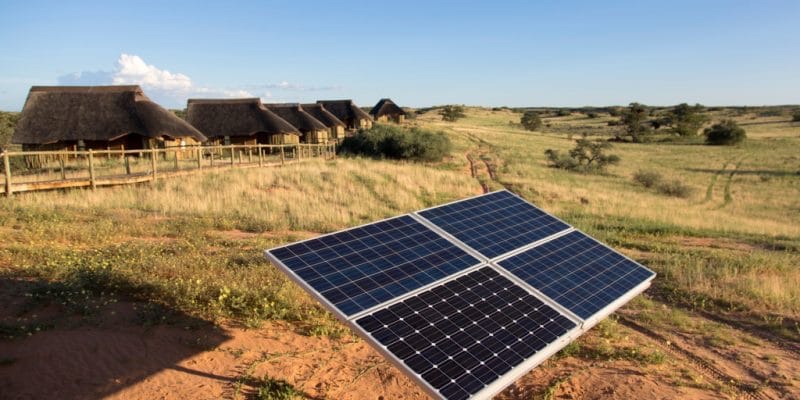
    Amidst these challenges, industry-leading companies are making significant strides, demonstrating that innovation and determination can overcome even the most formidable barriers. Enter, Renewvia Energy, a U.S.-based firm that has established a robust presence in Kenya and throughout the entirety of sub-saharan Africa. Renewvia is pioneering efforts to harness solar power, thereby transforming the energy landscape and providing a model for sustainable development across the continent.

    Renewvia Energy’s initiatives are not just about providing cleaner energy—they are about fostering economic growth, improving health outcomes, and enhancing educational opportunities by ensuring reliable electricity access. Their projects exemplify the transformative potential of renewable energy, highlighting how strategic investments and innovative technologies can address Africa’s unique energy challenges.

    As we delve deeper into Renewvia Energy’s work, we will explore their current projects, the impact they are making, and their future plans. This examination will reveal how Renewvia is not only contributing to the renewable energy sector but also driving socio-economic progress in regions that need it most. Their journey underscores the critical role that visionary companies play in shaping a sustainable and equitable future.

    Insights from An Industry Leader

    Nicholas Selby, PhD

    Last week, we had a sit down with Renewvia’s Vice President of Engineering in Kenya, Dr.Nicholas Selby. A trailblazer in his industry, Selby recieved his Bachelor of Science in Mechanical Engineering from Georgia Institute of Technology, going on to obtain a Master’s and a PhD from the esteemed, Massachusetts Institute of Technology (MIT) in Mechanical Engineering and in Electrical Engineering and Computer Science respectively all within 9 years.

    Prior to working for Renewvia, Nicholas Selby worked on a plethora of research focused projects with experience in institutions like the NASA Jet Propulsion Laboratory, various departments of Georgia Tech’s research departments as well as stints at MIT’s research labs as well.

    In addition to his comprehensive, encyclopedia of a CV, Selby has also recieved awards like Richard K. Whitehead Jr. Memorial award, The President’s Undergraduate Research award as well as featuring on the Forbes 30 under 30 list in 2023 et al.

    Joining Renewvia in January 2022 as the Director of Engineering, Selby oversaw a large majority of their african operations, soon being promoted to VP of engineering in early 2024.

    A Little About Renewvia

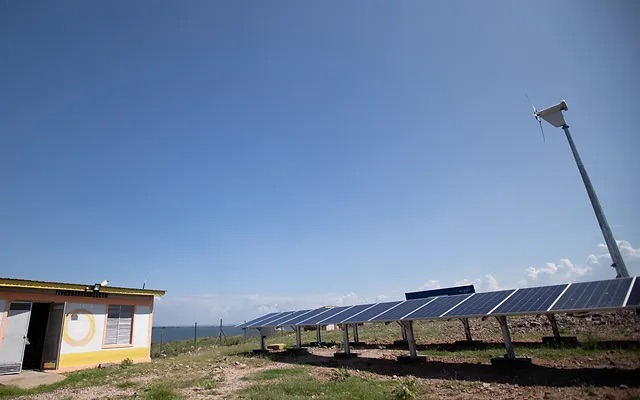
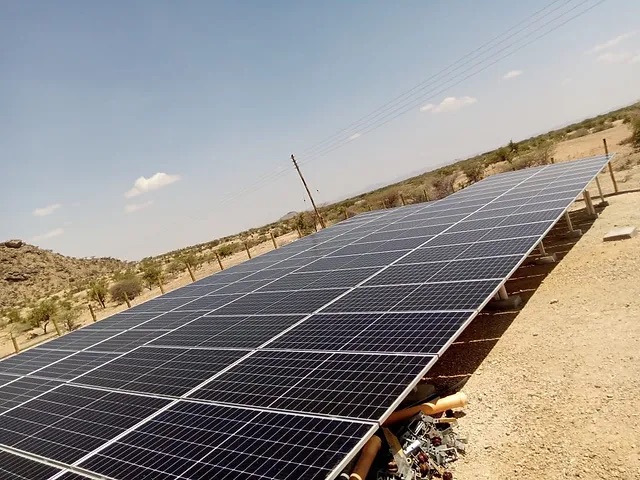
    Fouded in 2008, Renewvia has designed, installed, owned and operated over 80 megawatts (MW) of power across the United States, Pacific Islands, South America and sub-Saharan Africa, expanding to the mother continent in 2016. The began operations, mainly in Kenya, specializing in solar minigrids and commercial installations and have since expanded to Nigeria and Ethiopia with operations in the Democratic Republic of Congo.

    Trey Jarrad, CEO & Co-Founder of Renewvia

    Spearheaded by CEO Trey Jarrad and Company President Erik Domescik, Renewvia has managed to raise north of US$15 Million in debt financing in partnership with Treehouse Development Finance, a leading financier of renewable energy projects and an affiliate of Treehouse Investments, for the development of a large-scale, 2 GW pipeline of solar and storage projects, consisting of 150-450MW in the TVA, MISO, and SERC regions in the United States.

    Renewvia’s work in Africa

    As we previously highlighted, Renewvia has been extremely intentional about their expansion into the Sub-Saharan region, churning out major projects in Nigeria, Kenya, Ethiopia and the DRC et al.

    Some of the work they have done includes:

    Kalobeyei Refugee Settlement, Kenya

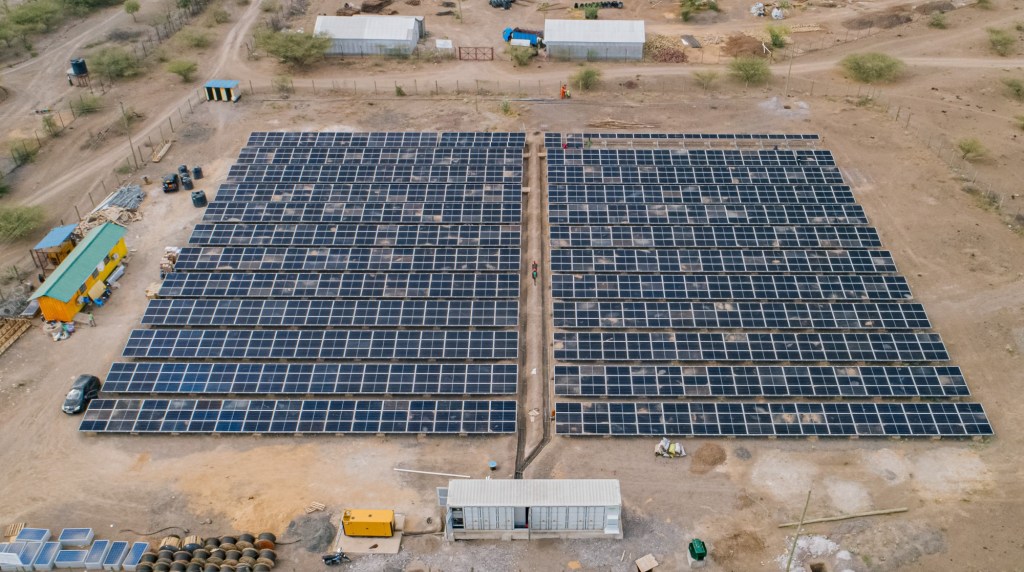
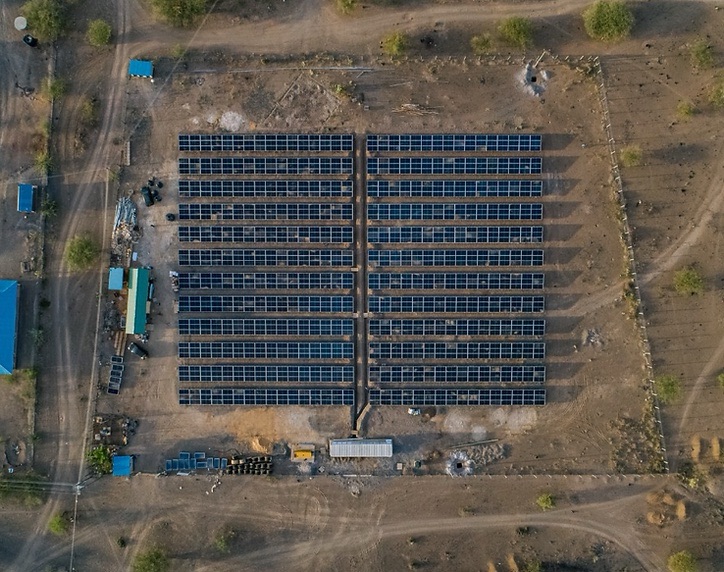
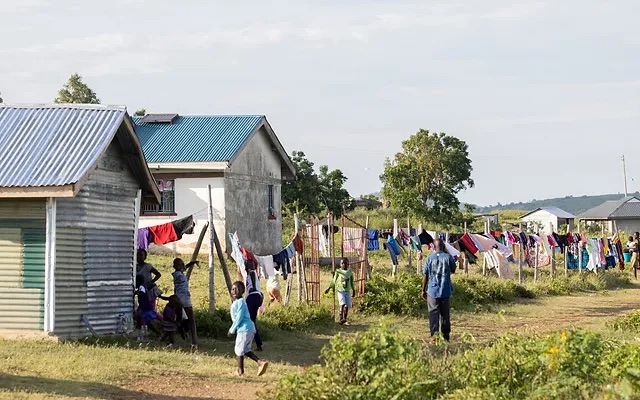
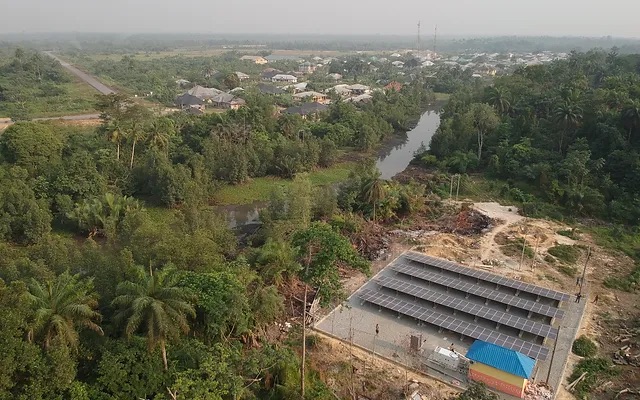
    Kalobeyei Refugee Settlement, also known as Kalobeyei Integrated Settlement, is a refugee camp located in Turkana CountyKenya. The settlement was established in 2015 to accommodate the growing number of South Sudanese refugees who fled their country due to the conflict that broke out in December 2013. By virtue of Kalobeyei being a human settlement, there is an obvious need for energy and power, more so considering the vulnerable nature of the it’s inhabitants. Recognizing this need, Renewvia commissioned a solar minigrid to serve Village One in September of 2019, which is currently providing electricity at an affordable cost to nearly 500 households, schools, businesses, institutions, and places of worship. Renewvia expanded the size of the mini grid in 2022, increasing it’s size nearly ten fold and completing the largest minigrid in East Africa. This minigrid now connects nearly 2500 members of the community to power around the settlement.

    Oloibiri, Bayelsa, Nigeria

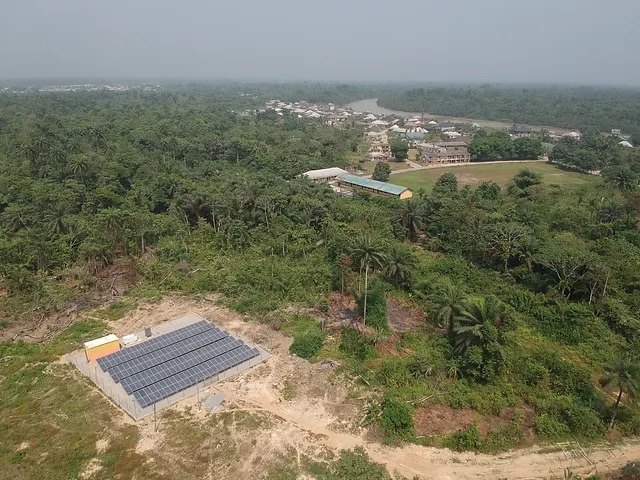
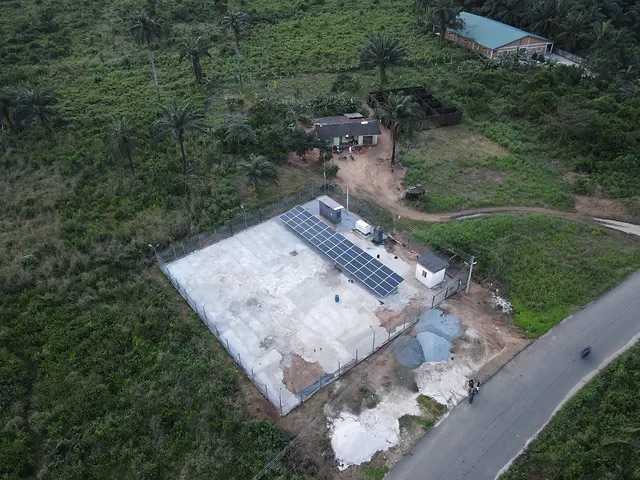
    Oloibiri, a historic site where petroleum was first discovered in Nigeria, now hosts a solar and battery microgrid. Commissioned in 2020, this minigrid powers 160 households, businesses, schools, and churches. It is pivotal in energizing the Oloibiri Health for Life Medical Center, enhancing healthcare delivery in the region.

    Ngurunit, Marsabit, Kenya

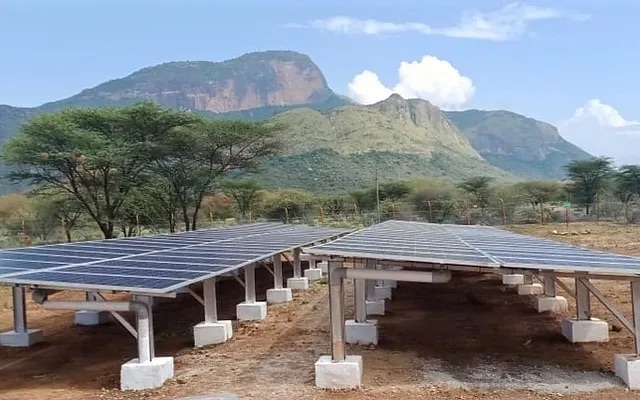
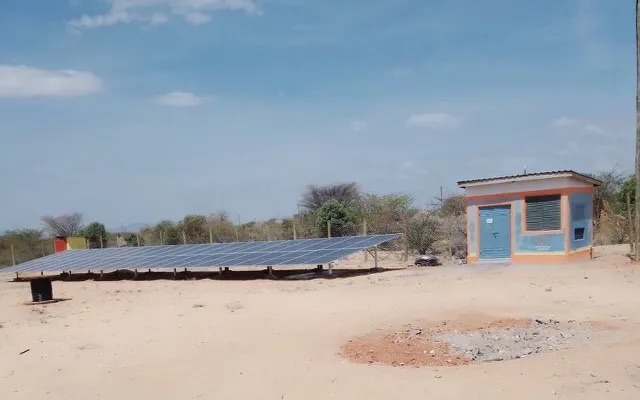
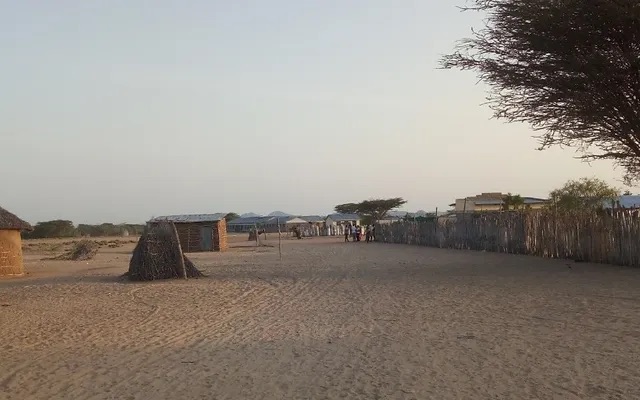
    In January 2020, Ngurunit’s 5,000 residents gained access to clean, reliable power through Renewvia’s solar minigrid. This project connects 200 households, businesses, schools, and churches, with the potential for future expansion as energy needs grow.

    Ndeda, Siaya, Kenya

    The Ndeda Island project, commissioned in 2018, utilizes both solar and wind energy. With a 6 kW wind turbine complementing the solar system, this initiative ensures continuous power supply, even during high consumption periods. The project has revolutionized energy access for the island’s residents.

    Akipelai, Bayelsa, Nigeria

    Akipelai’s solar minigrid, launched in 2020, connects over 250 households and businesses. The inclusion of lithium-ion battery storage ensures reliable power, supporting economic activities without imposing financial burdens on the community.

    Kagintan Kori, Turkana, Kenya

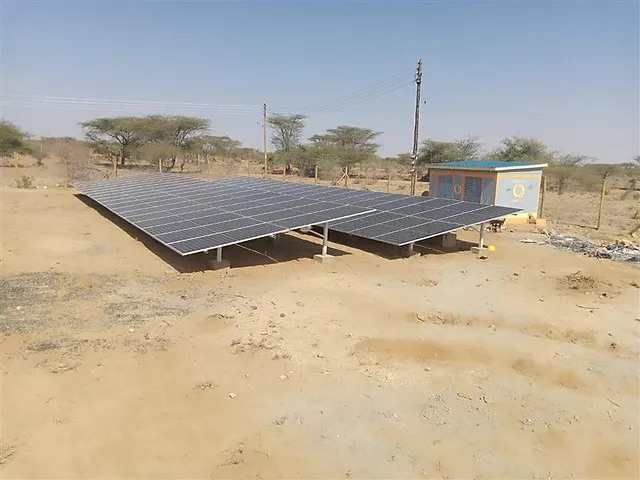
    Renewvia’s minigrid in Kagintan Kori, completed in 2021, serves nearly 800 community members. This project supports agricultural, beekeeping, and livestock rearing activities, driving economic development in the region.

    Nakukulas, Turkana, Kenya

    In 2021, Nakukulas saw the completion of a minigrid project that provides power to schools, health centers, and police posts. This initiative connects 1,400 people, significantly enhancing community infrastructure and services.

    Locheremoit, Turkana, Kenya

    Located along an under-construction highway, Locheremoit benefits from Renewvia’s minigrid, which serves households, businesses, schools, and health centers. This project supports the growing community amidst increasing regional development.

    Lorengelup, Turkana, Kenya

    In 2021, Renewvia commissioned a minigrid in Lorengelup, supporting local industries such as charcoal production and weaving. This project enhances the quality of life and economic prospects for the community.

    Ozuzu, Cross River, Nigeria

    In 2021, Ozuzu saw the commissioning of a Mini grid that powers 250 households and businesses. This project has enabled the establishment of a commercial cooling business and supports ongoing economic growth in the community.

    A Holistic Approach to Renewable energy

    Renewvia Energy’s extensive portfolio of projects across Africa highlights the company’s commitment to delivering sustainable and transformative energy solutions. By leveraging solar power, Renewvia is driving economic development, improving living conditions, and fostering resilience in communities across the continent.

    Citing his research paper titled “Social and economic impact analysis of solar mini-grids in rural Africa: a cohort study from Kenya and Nigeria” conducted in 2023, Dr. Selby was able to give as an insight as to how the standard of living in the Sub-Saharan region has improved since Renewvia’s arrival. The study analysed 5 primary KPIs: Gender equality, health, safety, economic activity and productivity. The study found that household income had quadrupled, female employment increased nearly 17% with communities seeing massive increases in school enrolment and massive reductions in the reported use of dirty fuels.

    Take a look at the study for a more detailed insight into Renewvia’s impact: CLICK HERE

    The value that Renewvia has brought to Africa cannot be overstated. The improvements on people’s livelihoods are obvious and the future has never been brighter. Selby, Jarrad and their superstar team of engineers and innovators are lighting up Africa’s tomorrow one solar panel at a time. According to them, they’ve only just begun, with Selby citing numerous other initiatives they have planned, including a Carbon-asset program of which they have already sold $100,000 worth of assets through and are gunning for a massive $2 million target.

    Their innovative approach to harnessing renewable energy is not just a technological triumph but a socio-economic revolution, transforming lives and fostering sustainable development across the continent. Their Afro-centric approach to recruitment has directly created employment for countless qualified and competent African minds who contribute to the future of their home with Renewvia’s Africa based team consisting of only two non-African employees. One of which is Dr Selby.

    A better Tomorrow, Today

    The profound impact of Renewvia’s work is vividly captured through the lens of communities previously marooned in energy poverty. From the refugee settlement in Kalobeyei to the remote islands of Lake Victoria, and the industrious villages of Nigeria, the company’s solar minigrids are powering a brighter future. These projects are not merely supplying electricity; they are fueling economic growth, improving health outcomes, and expanding educational opportunities.

    Dr. Nicholas Selby, with his remarkable blend of academic prowess and practical expertise, epitomizes the driving force behind Renewvia’s success. His research, combined with the real-world outcomes seen across Renewvia’s projects, underscores a narrative of resilience and innovation. The significant strides made in gender equality, economic productivity, and environmental sustainability are testament to the transformative potential of renewable energy when coupled with visionary leadership and strategic investment.

    The numbers speak volumes. A quadrupling of household incomes, a surge in female employment, and a dramatic decrease in the use of harmful fuels reveal the multifaceted benefits of Renewvia’s initiatives. These achievements, meticulously documented in Selby’s cohort study, provide compelling evidence of the far-reaching impact of sustainable energy solutions.

    As Renewvia continues to expand its footprint across Africa, the company’s commitment to a greener, more equitable future is unwavering. Their ambitious plans reflect a forward-thinking approach that aligns economic incentives with environmental stewardship.

    In a world grappling with the dire consequences of climate change and energy inequality, Renewvia Energy’s work stands as a beacon of hope and a blueprint for sustainable progress. Their journey is a testament to the power of innovative thinking and collaborative action in tackling some of the most pressing challenges of our time. As they illuminate Africa’s future, one community at a time, they remind us that a sustainable, prosperous, and equitable world is within our reach. The story of Renewvia Energy is not just a tale of technological advancement; it is a narrative of human ingenuity, resilience, and the unwavering pursuit of a better tomorrow.

  • One Flush At a Time: The Toilet That’s Redefining Water Conservation

    One Flush At a Time: The Toilet That’s Redefining Water Conservation

    11 litres of water. A toilet is the single biggest user of indoor water, consuming between 15 and 22 bottles of water to flush every single time it is used. A family of four will use 176 litres of water when each uses the toilet 4 times per day. The same water we use to drink, wash and cook.

    In an era where sustainable living has become imperative, the staggering statistic that washrooms account for nearly 90% of water consumption in households, businesses, and commercial buildings is alarming. Toilets, in particular, contribute to nearly half of this immense water wastage. This undeniable reality underscores the urgency of addressing our “problem number two.”

    As we confront the escalating water crisis, innovative solutions like Propelair’s water-saving toilets are not just desirable but essential. These revolutionary systems promise to transform our approach to water conservation, offering a beacon of hope in our quest for a more sustainable future.

    Who the heck is Propelair!?

    Nearly three decades ago, the vision of a low-flush, water-saving toilet was conceived. However, it wasn’t until 2013 that Propelair sold their first toilet. They went on to recieve their first real capital injection in 2017, with Earth Capital being their biggest investor. In 2019, the company underwent a management restructuring that really turned things around. Three years on from this, Propelair experienced their best ever financial year, doubling theirs sales and pulling in more funding than ever before. 2023 was no less impressive, as sales were projected to far exceed those in 2022.

    What does this have to do with Africa?

    Africa’s enduring struggle with water sanitation and access to clean water is a poignant chapter in the continent’s narrative. For millions of Africans, the daily quest for safe water is a profound challenge, with far-reaching consequences on health, education, and economic stability. Across the continent, inadequate water infrastructure and the devastating impacts of climate change have compounded this crisis, leaving communities vulnerable and often desperate.

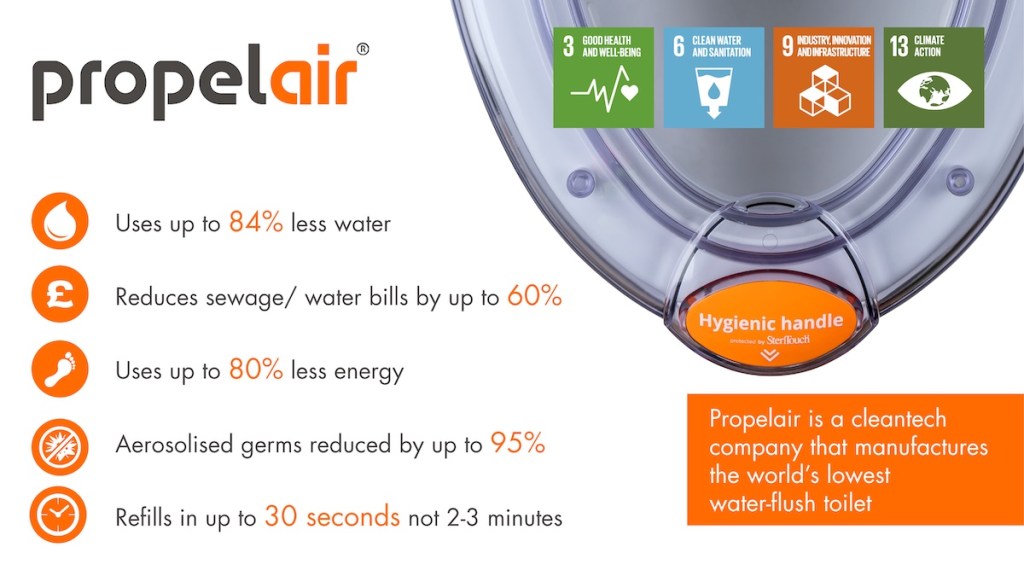
    The integration of pioneering innovations like Propelair’s water-saving toilets is not just a technological advancement but a lifeline for many. These systems, which dramatically reduce water consumption by up to 85%, have the potential to revolutionize water use across Africa. By significantly cutting down on water wastage, they offer a sustainable solution that aligns with the continent’s pressing needs.

    Propelair’s technology addresses one of the most critical aspects of water conservation—sanitation. In regions where water scarcity dictates every aspect of life, such innovations can transform the quality of life. They can ensure that precious water resources are used more efficiently, paving the way for better health outcomes and economic opportunities.

    As we stand at the crossroads of innovation and necessity, the importance of integrating such solutions across Africa cannot be overstated. Propelair’s toilets represent more than a technological leap; they embody hope and a tangible step towards a future where access to clean water and proper sanitation is not a luxury but a universal right. This journey towards sustainable development and improved living standards for all Africans is not just commendable—it is essential. The world must recognize and support these innovations, for they hold the key to unlocking a healthier, more prosperous Africa.

    Integrating renewable solutions into Africa’s infrastructure while we are still able to, is crucial to ensuring a better future for the continent. What we build today should not have to be torn down tomorrow in order for our descendants to survive.

    So how does it work?

    Last Friday, we sat down with Propelair Commercial Director for the region, Caren Botha who was kind enough to give us an insight into how the toilet works, the benefits and the possibilities she sees for its future.

    Botha joined Propelair as the regional sales manager in 2021, 3 years after they’d expanded into South Africa, preceeding one of their best financial years. A key signifier of her competence and value to the company. She was then promoted to General Manager for South Africa before ultimately becoming their Commercial Director.

    So how DOES the toilet work?

    Propelair® has a two-section cistern; one for air and one for water.

    Before flushing, the lid is closed to form a seal, in order to channel the air.When the lid is closed the flush is activated, water enters the pan to wash it, followed by air from the unique patented pump.

    The air cannot escape due to the sealed lid. This pushes out the entire contents of the pan to give a powerful, reliable flush.The remaining water fills the water trap.The flush is completed in 2 seconds with the toilet ready to be re-flushed in 20-30 seconds. (Subject to water supply pressure)

    Not only does this toilet save copius amounts of water, it is also far more sanitary than any other toilet on the market right now, eradicating nearly 95% of all pathogenic germs in one flush.

    “Sanitation is an important thing, especially for people’s dignity.” said Caren Botha.

    In addition to the mechanical elimination of germs via the high pressure flush, the device also has an anti-bacterial material infused into the material of the lid handle, upon which germs are unable to survive on.

    Botha says it was important to the team to give assuarances to consumers that their sanitation will be protected when they use their product.

    “The handle is the cleanest thing you will touch in the whole bathroom.” A reassurance that it is safe to hold it, as the lid needs to be closed in order for it to flush.

    Propeling Africa to a more Sustainable future

    In the relentless quest for sustainability, Propelair’s groundbreaking technology stands as a beacon of innovation, illuminating the path towards a future where water conservation is not merely a necessity but a global imperative. The profound impact of their water-saving toilets, which slash water usage by an astonishing 85%, cannot be overstated. In a world grappling with the dual crises of water scarcity and climate change, such advancements offer a tangible solution, embodying the very essence of sustainable development.

    Africa, a continent that has long battled the harsh realities of water sanitation and access, finds in Propelair’s innovation a lifeline that promises to redefine its water management landscape. The integration of these revolutionary toilets across African nations could herald a new era, where clean water and proper sanitation are accessible to all, significantly enhancing public health and economic stability.

    Propelair’s journey, from just a visionary concept nearly three decades ago to the company’s substantial growth post-2017, underscores the transformative power of innovation backed by strategic investment and leadership. Their success story is not just a corporate triumph but a testament to the relentless human spirit that drives progress and change.

    As we close this narrative, we recognize that Propelair’s water-saving toilets are more than just technological marvels; they are harbingers of hope. They represent a future where our descendants inherit not just the advancements of today but also the wisdom to live sustainably. This forward-thinking approach ensures that the solutions we implement now will stand the test of time, securing a better, more sustainable world for generations to come.

    In the words of Caren Botha, “Sanitation is an important thing, especially for people’s dignity.” Propelair’s commitment to both water conservation and public health epitomizes the intersection of innovation and compassion, paving the way for a future where the dignity of every individual is upheld, and the sanctity of our precious water resources is preserved. As we look towards this promising horizon, let us embrace and support such pioneering solutions, for they hold the keys to a resilient and prosperous future.

  • A King’s Empire: An Insight into Botswana’s thriving fashion and modeling industry.

    A King’s Empire: An Insight into Botswana’s thriving fashion and modeling industry.

    “Lights, camera, ACTION!” Botswana’s fashion scene is strutting into the global spotlight with the flair of a peacock in full display. Fresh off the heels of the Forbes Under 30 Summit, the buzz is palpable and the energy electric. Move over, zebras and elephants—the true stars here are the designers and trendsetters transforming every sidewalk into a catwalk. The show featured a plethora of talented designers from the Southern African region, the likes of which included Moitshepi Mokaila of “Indecisive”, Mboko Basiami from Glotto, Kanyo Molale from “Kanyo M Atelier” and Angolan designer Beatriz Franck showcasing her self titled brand on the runway.

    The recent Forbes Under 30 event might have wrapped up, but its afterglow continues to illuminate the brilliance of Botswana’s style pioneers, the most brightly lit of which seems to be The Empire BW; the modeling agency that delivered the muses and ethereal guides that set the runway ablaze during the show.

    Letlhogonolo “King” Dintwe, founder of The Empire BW during the 10 year anniversary of the company last year.

    Founded in early 2013, The Empire BW is the oldest and most successful model management agency in Botswana. Mr. Dintwe, affectionately known as King Vanderbilt has built the company into an industry powerhouse, boasting a portfolio with campaigns from ‘Collections by BK Proctor’, ‘Mascom’, ‘Angel Enterprises’ and, most recently, Forbes Under 30.

    Not only was the Fashion Dynamo one of the Under 30 Delegates, he was also the Creative mind behind the entire fashion show, bringing together the brilliance of the talented designers showcasing their pieces as well as the incredible collection of models that strutted their stuff for us last Monday.

    Could this be a signifier of the growing fashion culture in Botswana? Perhaps one that could rival Japan or the United States?

    Meet the Creative: Moitshepi Mokaila

    Moitshepi Mokaila of Indecisive – Photo by medo photographer

    In an exclusive interview with us, Moitshepi Mokaila, Founder of Indecisive (Botswana) had this to say about how Botswana can gain more acclaim and recognition on the international stage:

    “We need to be very mindful about what international quality control looks like. We need to engage with people like BOBS (Botswana Bureau of Standards) but also above and beyond, make sure you are doing your own research to be adhering to international standards, knowing that something like Fashion hasn’t been something that has been heavily exported.”

    Ms.Mokaila seems to carry a very optimistic but grounded outlook on the direction of the local fashion scene, highlighting issues like quality assuarance as being crucial to the development of the Botswana name on the international fashion scene.

    Though Moitshepi carries an inherently positive attitude about the industry, one must not believe there exists no obstacles for her and other designers. “Finding like minded individuals…”, she said, when asked about some of the major challenges designers, including herself, face in the local fashion scene. According to the designer, having discernment about who you work with and in what seasons you work with them is crucial to navigating this issue.

    The synergy between The Empire BW and designers like Moitshepi signals a burgeoning fashion culture in Botswana, one poised to make monumental strides. The energy and creativity emanating from this dynamic collaboration are palpable, hinting at a future brimming with potential and groundbreaking achievements.

    As Botswana’s fashion scene continues to captivate the world with its vibrant and innovative spirit, the country’s designers and visionaries like Moitshepi Mokaila and Letlhogonolo “King” Dintwe are setting new benchmarks in creativity and quality. Their relentless pursuit of excellence and adherence to international standards signify a transformative era for Botswana’s fashion industry. This burgeoning movement, highlighted by the recent Forbes Under 30 Summit, not only underscores the immense potential within the Southern African region but also hints at a future where Botswana could stand shoulder to shoulder with the fashion capitals of the world.

    Like a peacock in full display, Botswana’s fashion scene is strutting into the global spotlight, flaunting its unique blend of traditional elegance and contemporary flair. The dazzling efforts of agencies like The Empire BW and the inspired work of designers are crafting a narrative that blends cultural heritage with cutting-edge design. This commitment to quality assurance, as emphasized by Ms. Mokaila, ensures that Botswana’s creations not only meet but exceed global expectations.

    In the grand tapestry of global fashion, Botswana is weaving its unique pattern—one that is rich with cultural heritage, brimming with innovative designs, and driven by a passionate community of creators. As the international spotlight shines ever brighter on this African jewel, the world watches with bated breath, ready to embrace the next big name in fashion that emerges from the heart of Botswana. The runway, it seems, is just the beginning. The peacock’s display, vivid and bold, mirrors the vibrant promise of Botswana’s fashion future, heralding an era where every step on the catwalk tells a story of creativity, resilience, and unparalleled beauty.

    “Ya na Pula ko Botswana.”